
It's Not the Sarong, It's the Silhouette
We’ve all seen it: the person who ties a sarong and instantly looks like they’ve stepped out of a magazine, while our own attempts can feel bulky or awkward. The difference isn't magic; it's geometry. A sarong is a tool for creating and altering lines
on the body. Where you place a knot, how you drape the fabric, and how much skin you show are all decisions that manipulate your silhouette. The "proportion game" is about using these elements to your advantage to create visual balance. Think of it less as tying a knot and more as sculpting with fabric. The goal is to draw the eye where you want it to go, creating an illusion of length, defining a waist, or balancing the relationship between your shoulders and hips. Once you grasp this core principle, every tie becomes a deliberate choice rather than a random guess.
The Goal: Create a Defined Waist
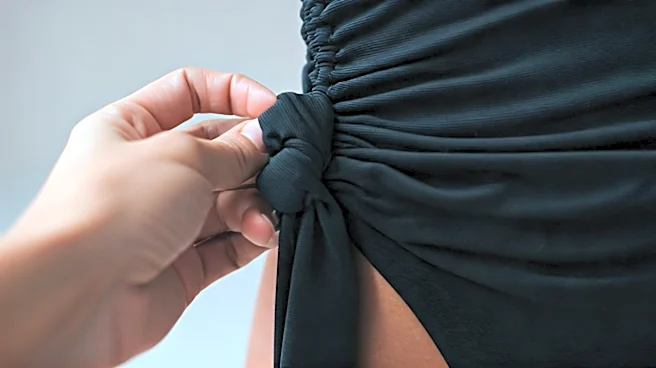
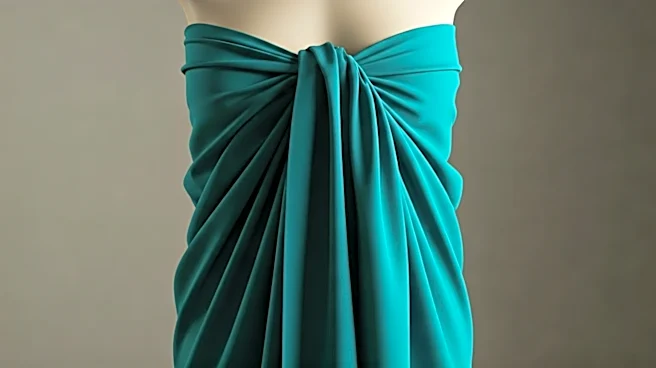
One of the most powerful things a sarong can do is give you a waist, even if you feel you don't have one. This is the key to the classic hourglass shape. To achieve this, you want to tie the sarong at the narrowest part of your torso. The most effective method is the classic side-knot skirt, but with a strategic adjustment. Instead of tying it low on your hips, pull the fabric up to your natural waist before knotting it securely at the side. The knot itself draws attention, while the cinched fabric creates instant definition. For an even stronger effect, fold the top edge of the sarong over once or twice to create a thicker, more defined "waistband" before you tie. This simple move transforms the sarong from a shapeless sheet into a structured, figure-flattering skirt.
The Goal: Elongate Your Torso and Legs
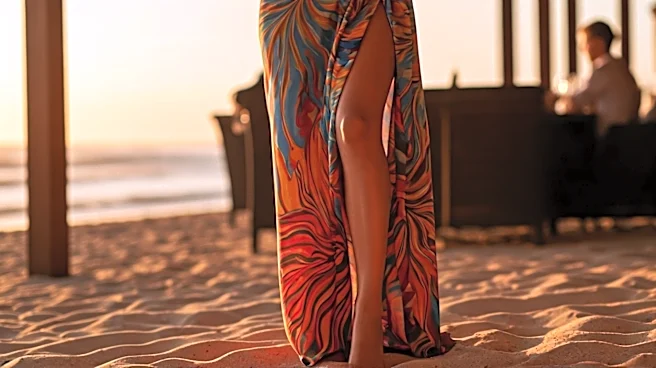
If you want to appear taller and leaner, you need to create long, vertical lines. The undisputed champion of this is the halter-style dress. By tying the corners of the sarong behind your neck, you create two diagonal lines that travel up your torso, drawing the eye upward and creating a powerful elongating effect. The V-neckline this style creates is universally flattering, and the drape of the fabric down the front of the body continues that long, unbroken line. Another trick for lengthening your look is to create a high-slit skirt. By tying a standard waist-knot skirt but leaving one side open higher up the thigh, you create a vertical line of exposed skin that makes your legs appear longer. The higher the slit, the more dramatic the effect.
The Goal: Balance Your Shoulders or Hips
Proportion is all about balance. If you have broader shoulders, the goal is to create volume or interest at your hips to balance your frame. The best way to do this is with a low-slung hip knot. Tying the sarong loosely around your hips, allowing it to drape and gather, adds a bit of width and draws the eye downward, away from your shoulders. Conversely, if you want to balance fuller hips or create the illusion of a broader top half, the bandeau-style dress is your best friend. Tying the sarong tightly around your bust creates a horizontal line that can make shoulders appear wider. This style pulls all the focus upward, making it an excellent way to visually equalize your proportions by drawing attention to your chest and shoulders.
The Goal: Add Shape and Volume
For those with a straighter or more athletic frame, a sarong can be a fantastic tool for creating the illusion of curves. The key is strategic gathering and ruching. When tying a sarong as a bandeau dress, try twisting the front center of the fabric before tucking it in. This small twist creates soft gathers over the bust that enhance shape. When wearing it as a skirt, instead of a single, flat knot, try a more decorative bow or a double knot that creates more fabric bulk at the hip. Another option is the "bubble skirt" effect: tie a short skirt, then take the bottom hem and tuck it into the waistband to create a soft, rounded shape that adds volume around your hips and thighs. It's all about using the excess fabric to build dimension right where you want it.