
An Unlikely Pairing
In September 1977, producers for Bing Crosby’s final Christmas special, Bing Crosby's Merrie Olde Christmas, booked a guest designed to attract a younger audience: David Bowie. At the time, Crosby was 73, the embodiment of wholesome, mid-century American
entertainment. Bowie, then 30, was the Thin White Duke, a glam rock chameleon known for his androgynous persona and avant-garde music. The contrast was jarring. When Bowie arrived at the taping in a full-length mink coat, matching makeup with his wife, and bright red hair, the producers were visibly nervous. Crosby’s son, Nathaniel, later recalled, "It almost didn't happen. The producers told him to take the lipstick off and the earring out." Bowie agreed, but his initial appearance highlighted the deep cultural divide between the two performers.
A Song of Protest
The plan was for the two stars to sing a simple duet of "The Little Drummer Boy." There was just one problem: Bowie despised the song. According to the show's musical supervisor Ian Fraser, Bowie flatly stated, "I hate this song. Is there something else I could sing?" The producers were in a bind. Bowie was only doing the special as a favor to his mother, a huge Crosby fan, and to promote his new single, "Heroes." Refusing to sing the chosen song put the entire high-profile segment in jeopardy.
An Hour of Creative Panic
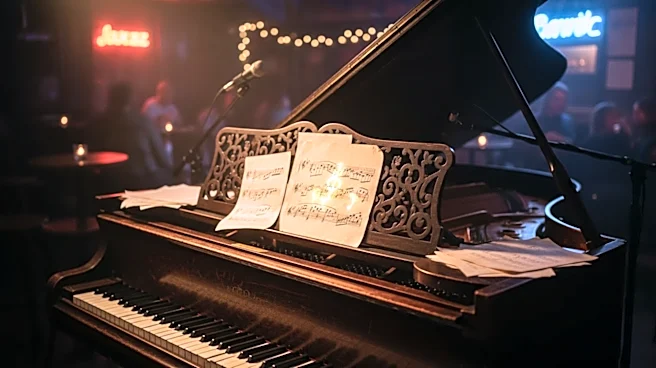
With the clock ticking and the two stars waiting, the show’s musical team—Ian Fraser, Larry Grossman, and scriptwriter Buz Kohan—retreated to a piano in the studio basement. In a flurry of creativity, they spent the next hour writing a brand-new counter-melody and lyrics that could be sung over and around Crosby's part. The result was "Peace on Earth," a gentle, melodic tune written specifically to complement Bowie's higher vocal range and mesh with the traditional carol. They presented the new arrangement to Bowie, who loved it. After less than an hour of rehearsal, the two singers, worlds apart in style, were ready to record.
The Myth of the Lost Tape
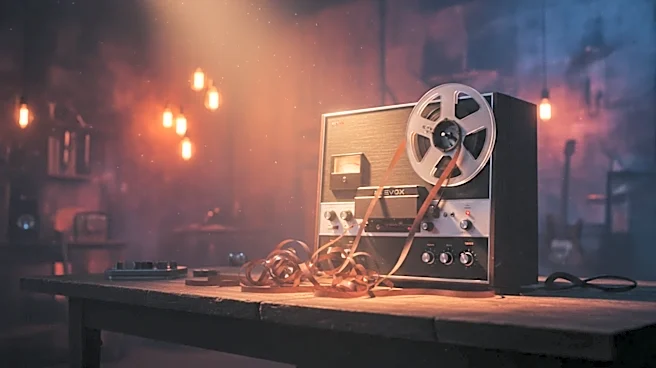
The headline's quote—"I Almost Threw the Tape Away"—has become part of the duet's legend, often attributed to a shocked Bing Crosby. However, the reality is more nuanced. While there’s no direct evidence Crosby ever said those words, the sentiment captures the immense anxiety the show’s creators felt. The real story isn't about Crosby nearly junking the recording, but about a much bigger contribution he made to recording technology itself. Years earlier, Crosby was a key financial investor in the Ampex corporation, which pioneered the use of magnetic tape for recording radio shows. He was the first performer to prerecord his programs, a move that revolutionized the industry and allowed for editing and retakes—the very process that made the last-minute Bowie duet possible. In an ironic twist, Crosby had once saved a tape of audience laughter that an engineer was about to discard, inadvertently creating the first-ever 'laugh track'.
A Poignant Farewell
When the two men sat down at the piano, any tension melted away. Crosby’s daughter Mary remembered the moment they connected as musicians. "You could see them both collectively relax and then magic was made," she said. The duet, filmed on September 11, 1977, would be one of Crosby's last-ever performances. Just over a month later, on October 14, he died of a heart attack after a game of golf. Bing Crosby's Merrie Olde Christmas aired posthumously on November 30, 1977, introduced by his widow, Kathryn. The duet, born from conflict and last-minute panic, became an instant, poignant classic. Released as an official single in 1982 after becoming a bootleg and MTV favorite, it charted high in the U.K. and remains an enduring symbol of unexpected harmony.