






Sound as the Ultimate Storyteller
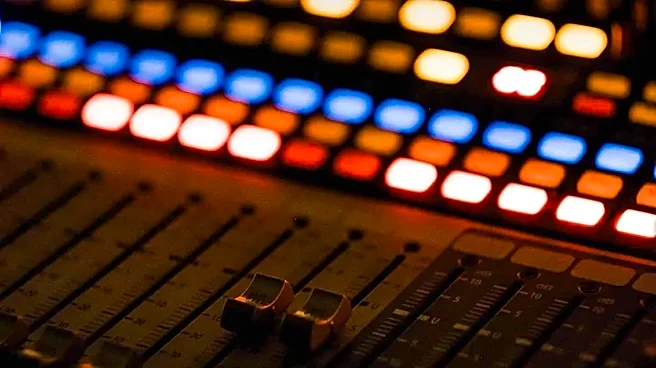
More than just dialogue and music, a documentary's soundtrack is a layered creation designed to transport you. It’s the difference between merely watching a scene and feeling like you’re in it. Sound designers create immersive audio environments that
reinforce a film's visuals and themes. Think of the subtle hum of a fluorescent light in an office, the distant city traffic outside a window, or the specific crunch of leaves underfoot in a forest. These aren't accidental; they are chosen to build a world that feels authentic and to guide your emotional response. Often, the most effective sound design is the kind you don't consciously notice. It works on a subconscious level, adding texture and depth that makes the visual story feel more complete and believable. Without it, even the most compelling footage can feel flat and distant.
The Vocabulary of Realism
In the filmmaker's toolkit, sounds are divided into two main categories: diegetic and non-diegetic. Diegetic sound comes from within the world of the story—things the characters can hear. This includes dialogue, a car engine starting, or music playing from a radio in the scene. Non-diegetic sound is for the audience only, like a narrator’s voiceover or a dramatic musical score added to heighten emotion. Documentaries live in the fascinating gray area between these two. For instance, a filmmaker might enhance the diegetic sound of a key turning in a lock to add suspense or amplify the rustle of a jacket to emphasize a character's nervous energy. This enhancement walks a fine line, aiming to create a more emotionally resonant experience that feels true, even if the sound itself has been sweetened in post-production.
The Art of Foley and Soundscapes
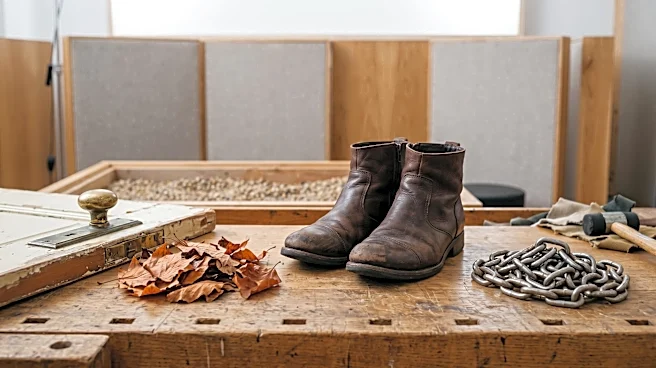
Often, the audio captured on location is imperfect or unusable due to background noise or technical limitations. This is where Foley artists come in. Named after sound-effects pioneer Jack Foley, these artists recreate everyday sounds in a studio to sync with the on-screen action. The footsteps, cloth rustles, and object handling in many documentaries are performed and recorded after the fact. In wildlife films, for example, it's nearly impossible to capture the sound of an insect's wings or a fox's paws on the ground, so these are meticulously recreated. This isn't about faking reality, but about restoring a level of sonic detail that our ears expect, making the final product feel more authentic and immersive than the raw recording ever could.
The Ethical Tightrope
The central question for every documentary sound designer is where enhancement ends and deception begins. Adding the sound of a ticking clock to a tense interview can build suspense, but does it manipulate the audience into feeling an emotion that wasn't authentically present? There are no hard rules, but there is a guiding principle: serve the story's emotional truth without inventing events. Most documentarians agree that adding sounds for clarity or to replace contaminated audio is acceptable. The debate intensifies when sounds are added for purely dramatic effect. Ultimately, it’s a judgment call rooted in the filmmaker’s integrity, balancing the responsibility to be truthful with the desire to tell a compelling and immersive story. The goal is to draw the viewer deeper into the reality on screen, not to construct a new one.