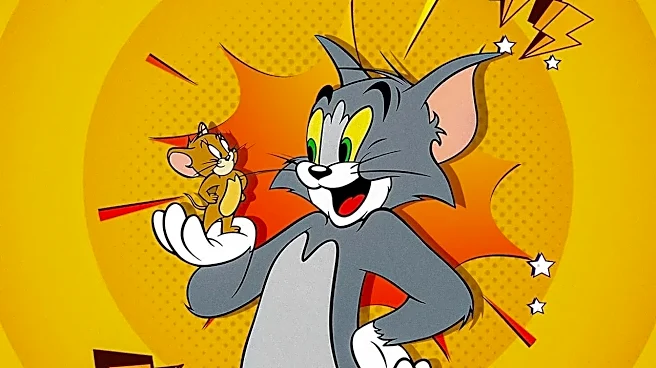










It's one of the great ironies of animation history. A simple cat-and-mouse cartoon, born from a studio's desperate need to compete, was met with such little enthusiasm that its own producer practically disowned it from the start.
A Studio's Last-Ditch Effort
In the late 1930s, Metro-Goldwyn-Mayer's
animation studio was struggling. While competitors like Disney were winning awards and capturing hearts, MGM had yet to produce a breakout star. Animators William Hanna and Joseph Barbera, facing pressure to create a hit, pitched a simple concept: a cartoon centered on the conflict between a cat and a mouse. The idea was met with a collective shrug. Their boss, producer Fred Quimby, reportedly found the idea unoriginal and wanted to keep his distance from the project he was sure would fail. The first short, 'Puss Gets the Boot' (1940), was produced with little fanfare, featuring a cat named Jasper and an unnamed mouse. To the surprise of nearly everyone at MGM, the short was a massive hit with audiences and even earned an Academy Award nomination. The studio, stunned by the success, gave Hanna and Barbera the green light to produce more, and a pop culture institution was accidentally born.
The Universal Language of Slapstick
A key to Tom and Jerry’s unexpected longevity was its masterful use of visual comedy. By relying on slapstick action instead of dialogue, the cartoons transcended language and cultural barriers, making them an instant global phenomenon. Children in any country could understand Tom’s frustration and Jerry’s cleverness without a single word being spoken. This non-verbal storytelling was paired with the brilliant musical scores of composer Scott Bradley, who used complex arrangements to perfectly synchronize music with the on-screen mayhem, effectively making the orchestra a third character in the chase. The dynamic wasn't just mindless violence; it was a complex dance. While Tom perpetually chased Jerry, there were frequent moments where they would team up against a common foe or even show genuine concern for one another, adding a layer of heart to the rivalry.
Surviving Beyond the Golden Age
When MGM shuttered its animation studio in 1957, it seemed like the end for Tom and Jerry. However, the cat and mouse had more than nine lives. The series was revived in the 1960s, first by Gene Deitch in Prague and then by legendary Looney Tunes director Chuck Jones. Each brought a distinct visual style, proving the characters were durable enough to withstand new interpretations. Their biggest second act came on television. In 1975, Hanna-Barbera created 'The Tom and Jerry Show,' which, in a concession to network concerns about cartoon violence, depicted the duo as friendly pals. While a departure from the classic formula, it introduced them to a new generation. Later series, like 'Tom & Jerry Kids' in the 1990s, would continue to adapt the characters for contemporary audiences, cementing their status as television staples.
An Indelible Mark on Culture
From winning seven Academy Awards during their original run to starring in commercials, video games, and feature films decades later, Tom and Jerry have left an indelible mark on pop culture. Their influence is seen in countless other animated series, from 'The Simpsons' to modern cartoons that borrow from their perfect comedic timing and visual gags. More than just entertainment, the duo became a shared reference point for generations of families. Parents who grew up watching the theatrical shorts on television introduced their own kids to the cartoons, creating a powerful sense of nostalgia and shared experience. The franchise’s ability to constantly find new audiences through reruns on channels like Cartoon Network and various reboots is a testament to the timelessness of its core concept.