








The Problem with 'Real' Skin
Before we get to the secret, let's talk about the canvas: your skin. No one’s skin is a perfectly uniform, neutral surface. It has undertones (pink, yellow, olive, red), mottling, freckles, veins, and texture. When you apply a sheer product like a tinted
moisturizer, all of that natural variation influences the final color. A shade that looks perfectly neutral in the bottle might pull orange on someone with olive undertones or look ashy on a warmer complexion. This is the reality of makeup, but it’s a nightmare for product photography, where the goal is to show the product itself, isolated from as many variables as possible. For a brand trying to show the subtle difference between shade 'N4' and 'NW4.5,' the swatcher’s natural skin tone is more of a bug than a feature.
The Hidden Step: The 'Swatch Primer'
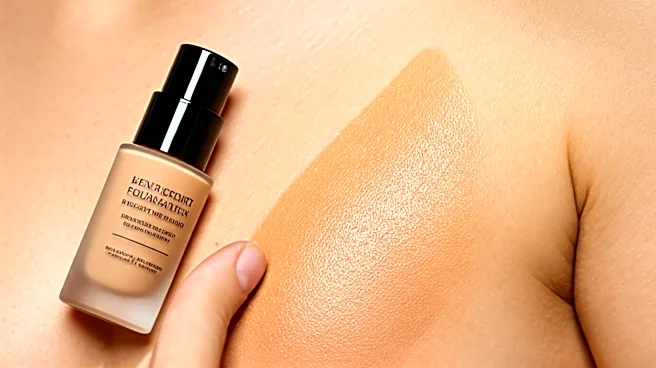
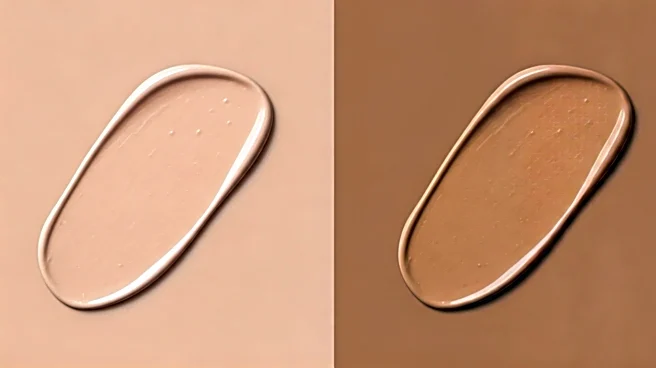
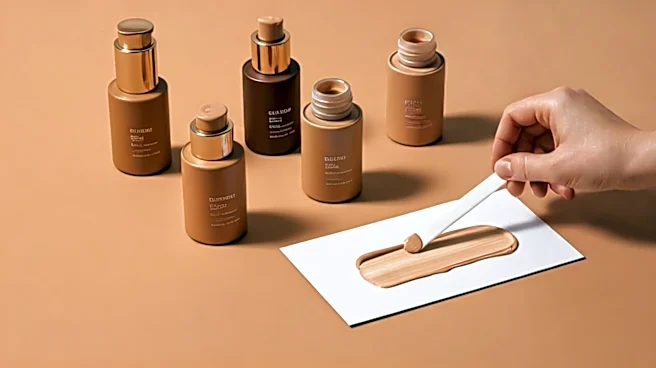
Here it is: to create those pristine comparison swatches, professionals often apply a thick, opaque, and usually stark white or skin-neutral base *before* applying the products they’re testing. This isn’t your everyday blurring silicone primer. Think of it more like a layer of industrial-strength concealer or even a white liquid theatrical makeup. This 'block-out' base effectively erases the person’s real skin tone, creating a completely neutral, standardized canvas. Once this base is dry, the tinted moisturizers, foundations, or concealers can be swatched on top. By neutralizing the skin beneath, the true color, undertone, and opacity of each product can be seen without interference. The only variable becomes the product itself, which is exactly what a brand wants to highlight when showing you a shade range.
Why It’s a Standard Practice, Not a Scam
While it might feel deceptive, the intention behind this practice is usually about scientific rigor, not consumer trickery. Imagine trying to compare the pigment load of ten different tinted moisturizers. If each one is influenced by the swatcher’s rosy undertones, you’re not getting an accurate read on the products. You're getting a read on how the products look on *that one person's arm*. By creating a standardized, blank slate, formulators and marketers can make a more objective 'apples to apples' comparison. It allows them to assess the product’s true color as it comes out of the tube. This is crucial for quality control during development and for marketing materials that need to clearly illustrate the difference between, for example, a 'golden' undertone and a 'peach' undertone. It’s a tool for isolating variables, similar to how a scientist uses a sterile petri dish.
What This Means for Your Shopping
This inside knowledge should empower you, not discourage you. The next time you see a perfect grid of swatches online, you’ll know what you’re likely looking at: products on a heavily primed, neutralized surface. Use these images as a starting point, not a final destination. They are excellent for understanding the product’s undertone family (is it cool, warm, or neutral?) and its relative depth compared to other shades in the line. But they are a poor predictor of how the product will look on your unique, un-primed skin. Instead, seek out reviews from influencers or real customers who show the product on their face, in different lighting conditions, and on a skin tone and type similar to yours. Video reviews are often more telling than static photos. The professional swatch tells you about the product in a vacuum; the real-world review tells you how it lives and breathes on actual skin.