




More Than Just Offseason Fun
It’s becoming a familiar sight for American sports fans. One night, you’re watching Phillies shortstop Trea Turner launch a home run; the next, you might see him posting his avid support for the U.S. Men’s National Team. A few years ago, this crossover
attention might have seemed random. Now, it feels like a trend. From the Florida Panthers locker room debating World Cup winners to NFL MVP Patrick Mahomes not just watching but investing in Sporting Kansas City, athletes from America’s traditional “Big Four” sports are engaging with soccer like never before. This isn’t just about athletes enjoying another sport. It represents a deeper integration of soccer into the mainstream American sports conversation. When stars from MLB and the NHL, leagues that once seemed worlds apart from global football, are actively participating as fans and investors, it’s a clear sign that soccer’s cultural capital is rising.
The 'Big Five' and the New Cool
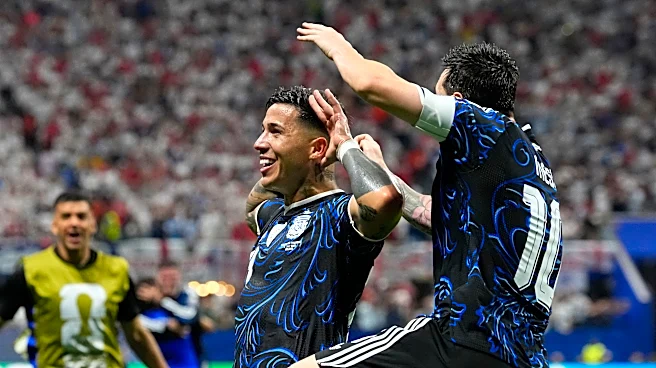
For decades, the American sports landscape was dominated by football, basketball, baseball, and hockey. Soccer was always the “sport of the future.” That future has arrived, and it’s being validated by its peers. The recent influx of stars like Lionel Messi to Inter Miami has turned MLS games into can’t-miss cultural events, drawing celebrities from all corners of the entertainment world. But the buy-in from fellow athletes is arguably more significant. It’s not just actors and musicians in the stands; it’s competitors. When NBA star Giannis Antetokounmpo and his brothers invest in Nashville SC, or Titans running back Derrick Henry joins the club’s ownership group, it’s a business decision rooted in a belief in the sport's growth. These athletes are respected figures in their own right, and their interest provides a powerful endorsement. They are essentially telling their own fanbases: this is cool, this is relevant, and this is worth your attention.
The 2026 World Cup Effect
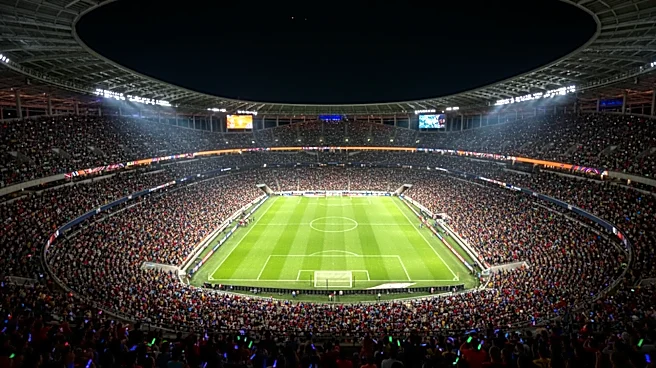
All of this is happening against the backdrop of the biggest sporting event on the planet coming to North America. The 2026 FIFA World Cup, co-hosted by the U.S., Mexico, and Canada, is not just a tournament; it’s a two-year-long cultural runway. The increasing interest from baseball and hockey stars is a crucial part of the buildup. These athletes act as powerful ambassadors, bridging the gap for casual or skeptical fans. Someone who loves the NHL but doesn't know much about soccer might be more inclined to tune into a USMNT game after seeing a player like Matthew Tkachuk discuss his predictions. Hockey legend Wayne Gretzky has even been texting with the Canadian national team's coach, offering his support. This crossover appeal helps mainstream the World Cup, framing it not as a niche soccer event but as a national moment for all sports fans. It turns 'their' sport into 'our' team.
A Different Kind of Patriotism
There's a unique power in a national team, especially in a global tournament. Unlike league sports, where loyalties are divided by city, the World Cup offers a chance for unified national pride. When athletes from other professional leagues rally behind the USMNT, they tap into this unifying force. It’s a message that transcends club rivalries. This athlete-to-athlete support system models a powerful form of patriotism for the average fan. Seeing a hockey player who competes for a gold medal for Team USA also cheer on the soccer team reinforces the idea that this is a collective effort. It breaks down the walls between fanbases and creates a sense that, for one summer, everyone is on the same team. This isn't just a marketing opportunity; it's a genuine cultural convergence that shows soccer has finally, truly been welcomed into the heart of American sports.