


The Perfect Emotional Canvas
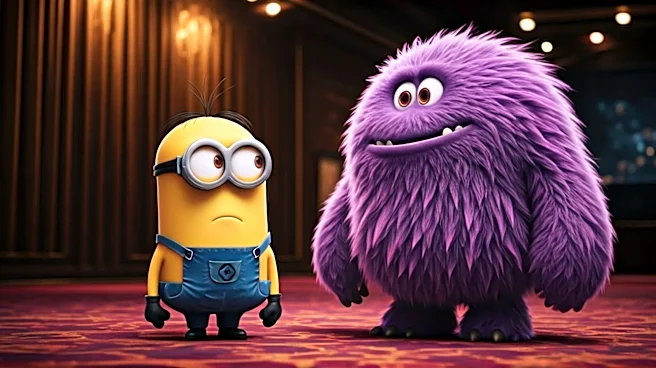
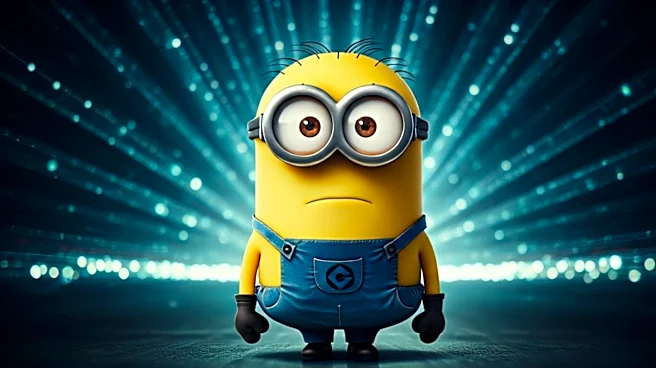
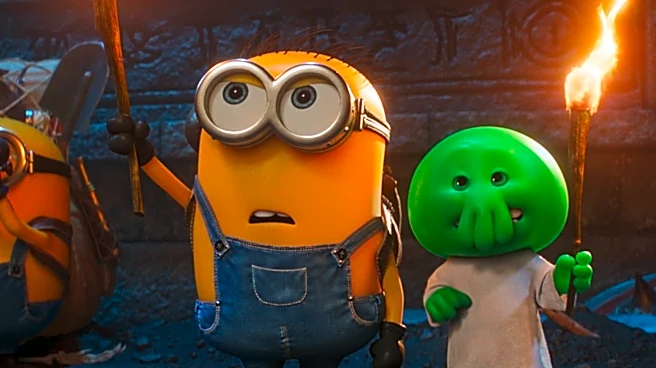
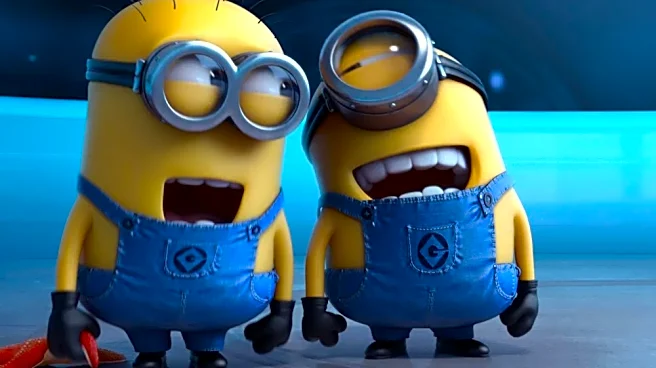
The core of the Minions’ enduring appeal lies in their simplicity. They are, in essence, walking, talking, gibberish-spouting emojis. Their capsule-shaped bodies, wide goggles, and simple expressions make them a blank slate. They don't have complex personalities
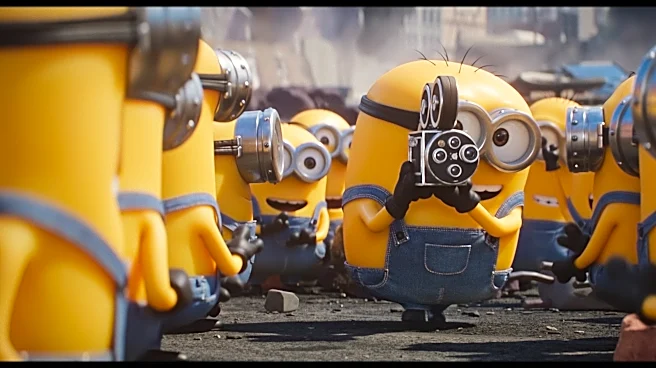
or speak a real language, which means they can be used to express nearly any feeling without contradiction. Whether it's a frustrated sigh about Mondays, a cheerful 'Happy Birthday,' or a nonsensical joke, a Minion can be pasted alongside it without creating dissonance. This makes them incredibly versatile and easy to deploy for meme creators of all skill levels, from a tech-savvy teen to a grandparent just getting the hang of social media. Their humor is rooted in simple, physical slapstick, recalling silent film traditions, which translates across cultures and age groups with ease.
The Rise of the 'Facebook Mom' Meme
In the early 2010s, shortly after the release of the first two 'Despicable Me' films, Minions found a very specific and powerful audience: middle-aged users on Facebook. The characters became synonymous with a certain brand of sincere, lighthearted content. These memes often feature a Minion next to a relatable, everyday observation about coffee, wine, friendship, or the trials of parenting. For this demographic, the Minions offer a fun, inoffensive, and escapist way to express themselves. While younger generations came to view these posts as 'cringey' or 'boomer humor,' this wave of earnest popularity cemented the Minions' place in the internet’s mainstream consciousness and set the stage for their next evolution.
An Ironic Second Coming
What happens when something becomes overwhelmingly sincere? The internet makes it ironic. Younger generations, particularly Gen Z, began to co-opt the wholesome Minion meme format and infuse it with layers of absurd, dark, and surreal humor. They took the established format—a picture of a Minion with text—and twisted it into something completely different. This created a second, parallel life for Minion memes. Suddenly, the same characters associated with your mom's inspirational quotes were being used in edgy, nonsensical shitposting. This duality is key to their longevity; they can be both completely earnest and deeply ironic at the same time, existing in totally separate online ecosystems without canceling each other out.
Enter the #Gentleminions
The ironic appreciation of Minions reached its peak with the release of 'Minions: The Rise of Gru' in 2022. A TikTok trend called #Gentleminions went viral, featuring large groups of teenage boys and young men dressing in formal suits to attend screenings of the film. Part prank, part performance art, and part genuine nostalgic appreciation, the trend saw these groups mimicking the villain Gru's hand gestures and cheering loudly in theaters. It was a physical manifestation of meme culture, blending sincere childhood affection for the franchise with a layer of internet-fueled irony. The trend was so powerful that it was credited with significantly boosting the film's box office numbers among the 13-to-17-year-old demographic, proving the Minions had successfully made the leap to a new generation.
Too Big to Fail
Beyond user-generated content, the Minions have become a massive corporate brand for Illumination and its parent company, Comcast. They are marketed as aggressively and ubiquitously as Mickey Mouse is for Disney. Their faces adorn everything from theme park rides and merchandise to Amazon shipping boxes and McDonald's Happy Meals. This corporate backing ensures they remain constantly visible. Universal Pictures even embraced the #Gentleminions trend, giving it an official stamp of approval. This blend of organic, bottom-up meme culture and a top-down, massive marketing push creates a feedback loop. The memes keep the characters relevant, and the corporate presence ensures they never fade from view.