


First, Know the Baseline Rules
Before you can spot the subtle power plays, you have to know the official rulebook. The dress code at Ascot is famously strict, especially in the Royal Enclosure, the most exclusive area. For women, hats are mandatory. But not just any hat. The rules
state that a headpiece must have a solid base of 4 inches (10cm) or more in diameter. This single rule is why fascinators—those smaller, clip-on decorative headpieces once favored by younger royals—are explicitly banned from the top-tier enclosure. In other areas like the Queen Anne Enclosure, the rules are slightly more relaxed, permitting fascinators. Understanding this basic framework is key, because the most stylish attendees don’t just follow the rules; they use them as a creative starting point.
The Royal Enclosure: Quiet Luxury
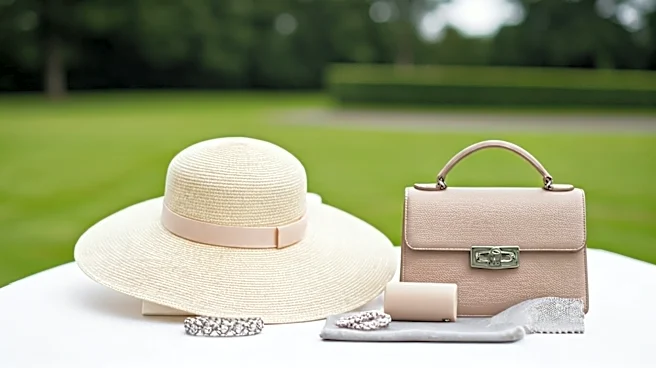
In the Royal Enclosure, the hat is a symbol of status and tradition. Think of it as the sartorial equivalent of a quiet nod among the privileged. The unofficial code here is elegance over extravagance. A woman in a perfectly angled, medium-brimmed hat from a legacy milliner like Philip Treacy or Stephen Jones is signaling that she belongs. The piece is expensive but doesn't scream it. The colors are often classic creams, navies, or pastels that coordinate flawlessly with the outfit. A massive, show-stopping hat in this enclosure can be seen as trying too hard, a sign that you’re a guest, not a member. It's the ultimate 'if you know, you know' fashion moment.
The Avant-Garde: A Bid for the Cameras
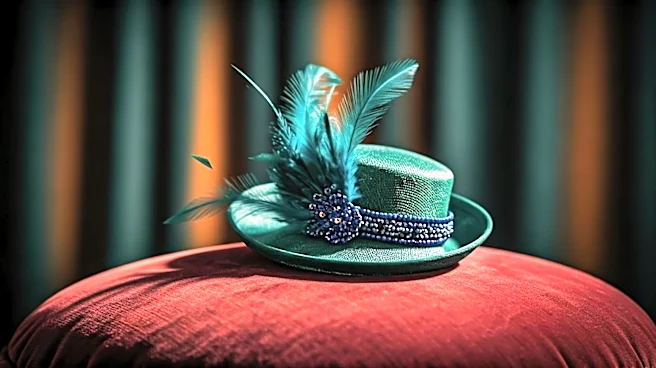
Outside the buttoned-up Royal Enclosure, the millinery landscape changes dramatically. This is where you see the fantastical, architectural creations that land on magazine covers. When a guest wears a hat shaped like a flock of birds, a giant flower, or an abstract sculpture, it’s a deliberate performance. This isn’t about blending in; it’s about standing out. These attendees are often fashion influencers, designers, or society figures looking to make a splash. The hat is their press release. It says, 'I am creative, I am bold, and I am not afraid to be the center of attention.' Fashion editors watch these pieces to spot emerging trends and designers who are pushing the boundaries of the craft.
Royal Signals: Diplomacy and Personality
The Royal Family’s hats are the most closely watched of all, and each one is a carefully calibrated message. Queen Camilla often favors large, soft-brimmed hats by Philip Treacy that project a regal, yet approachable, elegance. The Princess of Wales, Kate Middleton, uses her millinery for diplomatic and personal storytelling. Her choices are always polished and chic, often from designers like Jane Taylor or Lock & Co. She might choose a specific color to honor a host nation or a particular designer to show support. By contrast, Princesses Beatrice and Eugenie have historically been more experimental, famously wearing the much-discussed 'pretzel' hat (Beatrice) and a bold blue creation (Eugenie) to the 2011 royal wedding. Their Ascot choices continue that trend, signaling a more modern and fashion-forward sensibility within the family.
The Finer Points: Angle, Height, and Color
Beyond the overall style, the details are a language in themselves. The angle of a hat can convey mood; a jaunty upward tilt suggests confidence and openness, while a downward-turned brim that partially obscures the face creates an air of mystery and allure. Height is another factor. A tall, slender hat can create a dramatic silhouette and draw the eye upward, a clever trick to stand out in a crowd. Then there's color. The rise of monochrome dressing—perfectly matching your hat to your dress, shoes, and bag—is a major power move. It demonstrates meticulous planning and a significant budget. A guest who opts for a bold, clashing color isn't making a mistake; they're making a confident statement about their eye for style.