



The Burden of the Flawed Patriarch
At the heart of HBO’s greatest hits is a man cracking under the weight of his kingdom. Think of Tony Soprano, a mob boss battling panic attacks, or Logan Roy, a media titan whose personal venom poisons his entire empire. King Viserys I Targaryen fits
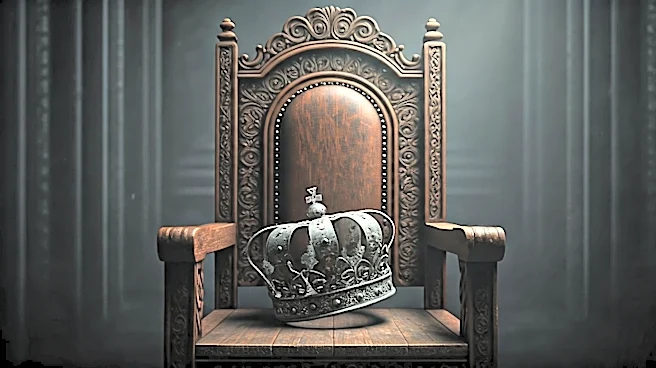
this mold perfectly. He isn’t a tyrant consumed by malice but a fundamentally decent man trying to hold together a fragile peace. His tragedy isn't grand, but intimately human. His desire to be loved, his avoidance of conflict, and his physical decay are the rot at the foundation of the Targaryen dynasty. Like Tony and Logan, Viserys’s personal failings have catastrophic public consequences. He is a king defined not by his strength, but by the weaknesses that allow vipers to flourish in his court. This is peak HBO: the powerful man whose biggest enemy is himself.
Succession is the Only Real War
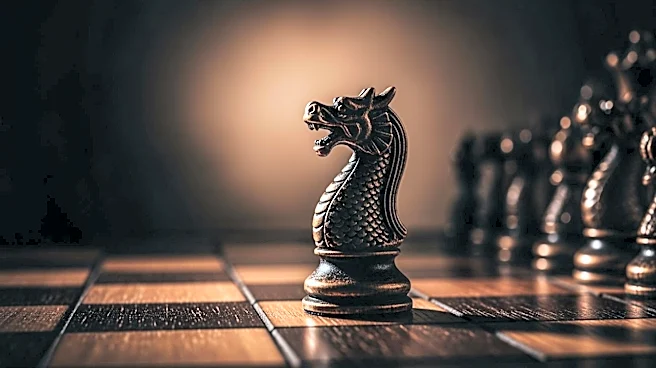
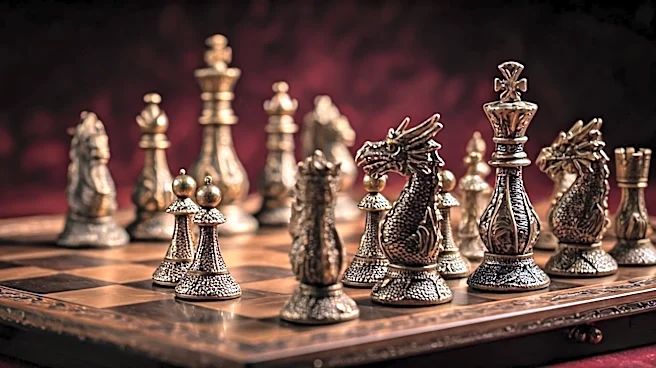
Forget the battlefield. The most important conflicts in *House of the Dragon* happen in quiet rooms, at tense family dinners, and during fraught council meetings. This is the central theme of HBO’s other juggernaut, *Succession*. While the Targaryens fight for the Iron Throne and the Roys battle for control of Waystar Royco, the grammar of their power struggles is identical. It’s a chess match of whispered alliances, perceived slights, and brutal betrayals. Rhaenyra and Aegon’s competing claims are not just a fantasy squabble; they are a corporate takeover with dragons. The show understands that true drama comes not from the clash of armies, but from the agonizing question of inheritance and the psychological warfare waged by people who are supposed to love each other.
The Anxious, Complicit Matriarch
Where there’s a flawed patriarch, there’s often a complicated woman navigating the fallout. For decades, the archetype was Carmela Soprano, a woman who enjoyed the spoils of a criminal enterprise while wrestling with its moral cost. In Westeros, that DNA is split between two figures: Rhaenyra Targaryen and Alicent Hightower. Alicent, in particular, embodies the Carmela conundrum. She is a woman of genuine faith and conviction trapped in a political machine she helps operate. She is both a victim of the patriarchy and a willing participant, leveraging her position for her children’s sake while convincing herself of her own righteousness. Rhaenyra, meanwhile, grapples with the impossible standards placed upon her as a female heir, making compromises that erode her own sense of self. Neither is a simple hero or villain; they are complex women making impossible choices within a system designed by men, a hallmark of HBO's best character work.
An Institution in Decay
*The Wire* wasn’t just about cops and dealers; it was about the slow, systemic decay of Baltimore’s institutions. *House of the Dragon* applies this same structural lens to a fantasy monarchy. The show is less interested in the glory of the Targaryen dynasty than it is in meticulously documenting its collapse from within. Every decision—from Viserys naming Rhaenyra his heir to the petty rivalries between their children—is another crack in the foundation. The grand spectacle of the dragons is merely a backdrop for a more pointed story about how entitlement, tradition, and personal grievance can bring a seemingly invincible institution to its knees. The 'Dance of the Dragons' isn't an event that happens to the Targaryens; it's a disaster they painstakingly build for themselves over decades.