







The Scene That Shocked Audiences
In one of the most memorable scenes of The King's Speech, the future King George VI, or “Bertie” (Colin Firth), is pushed to his absolute limit by his unconventional speech therapist, Lionel Logue (Geoffrey Rush). Goaded into a fury, the famously proper
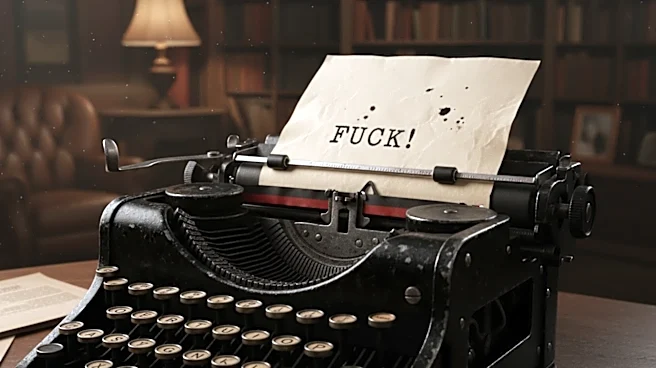
royal unleashes a torrent of curse words. It’s a shocking, funny, and deeply humanizing moment. Logue notices that in his anger, Bertie’s debilitating stammer vanishes completely. The scene is a therapeutic breakthrough, proving that the King's impediment is psychological, not just physical. The raw power of the delivery led many to believe the lines were improvised by Firth on the spot. While the performance itself was certainly spontaneous and electric, the origin of the words is even more personal and deliberate.
A Writer's Personal Pain
The idea for the foul-mouthed therapy session came directly from the film’s screenwriter, David Seidler. As a child, Seidler suffered from a severe stammer himself, an experience that began around the time of World War II. He spent his youth feeling silenced and marginalized, trying countless failed therapies. It wasn't until he was a teenager that he had his own breakthrough, fueled not by a therapist, but by pure rage. Seidler decided that if he was going to be stuck with a stutter, then the world would just have to be stuck listening to him. In a moment of intense frustration, he let out a stream of profanity and, in doing so, found a flicker of fluency. He wrote this deeply personal experience into the script, giving his own moment of release to King George VI.
The Truth Behind the 'Improvisation'
So while the headline's claim of on-the-spot improvisation isn't entirely accurate, the spirit of it is. The profanity was scripted by David Seidler, drawn from his own life. However, the scene's power comes from the freedom and authenticity that director Tom Hooper encouraged on set. Colin Firth, deeply committed to portraying the struggle of stammering authentically, took Seidler's words and channeled the raw frustration of the character. Geoffrey Rush, in turn, played off Firth with a mix of warmth and provocation that made their interactions feel alive and unpredictable. The result is a performance that feels improvised because it’s so grounded in real emotion. The lines weren't made up on the day, but they were born from a real moment of anguish and discovery, making the scene a fusion of a writer's memory and an actor's powerful interpretation.
More Than Just a 'Naughty' Scene
The cursing scene was so central to the film's theme of finding one's voice that it became a point of contention. The string of F-bombs initially earned the film an R rating in the United States, threatening to limit its audience. A sanitized PG-13 version was later released, but director Tom Hooper and star Colin Firth both publicly stated their preference for the original cut. They argued, rightly, that the scene wasn't gratuitous. It was the emotional climax of Bertie’s therapy, the moment a man who has been silenced his entire life finally finds an outlet—however coarse—for his voice. It represents the tearing down of suffocating royal protocol and the emergence of a man from behind the title. It’s the catharsis that makes his final, triumphant radio address to the nation possible.