
The Main Stage Clash of Titans
Nowhere is the contrast more apparent than on the main and Empire stages. In one room, Marvel Animation might be showcasing a new season of 'X-Men '97,' with its faithful, fluid tribute to '90s aesthetics. An hour later, in the same seats, you could be watching
the team behind 'Bob's Burgers' discuss their deliberately quirky, character-driven style. Major studios use NYCC to drop exclusive trailers and host panels with their top creative talent. This creates a unique opportunity to see the house style of a powerhouse like Marvel directly compared with the distinct visual language of shows like 'Futurama' or a new project from Nickelodeon, which might be promoting a new 'Avatar: The Last Airbender' series. You're not just seeing clips; you're hearing creators explain their choices, giving you a direct window into why one universe feels gritty and another feels light and bouncy. This back-to-back exposure highlights the core philosophies of each studio in a way that channel-surfing at home never could.
An Anime Education Under One Roof
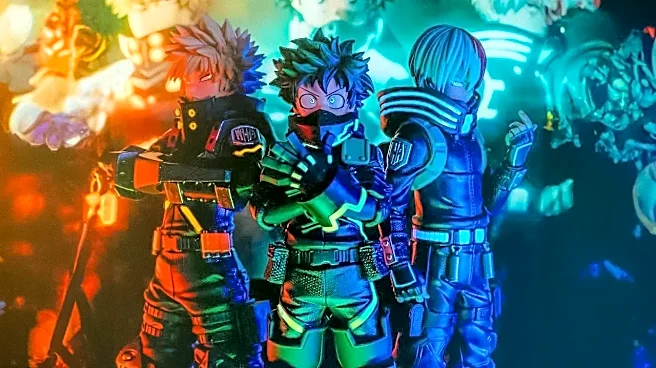
Step away from the Western studio giants, and you’re plunged into a completely different visual culture, largely driven by anime distributors like Crunchyroll. NYCC has become a major hub for the anime industry, hosting world premieres and exclusive panels for some of the biggest shows from Japan. This year's event features panels for massive franchises like 'One Piece,' 'Gundam,' 'Black Clover,' and 'Naruto.' A fan can spend their morning absorbing the intricate world and high-octane action of a series like 'Mobile Suit Gundam SEED FREEDOM ZERO' and their afternoon with the lush, romantic visuals of 'The Apothecary Diaries.' The sheer volume and variety allows for a crash course in anime aesthetics. You can directly compare the sharp, kinetic lines of a shonen action series with the softer, more expressive character work of a slice-of-life drama, all while surrounded by thousands of fans who can dissect every detail with you.
Artist Alley: A Spectrum of Interpretation
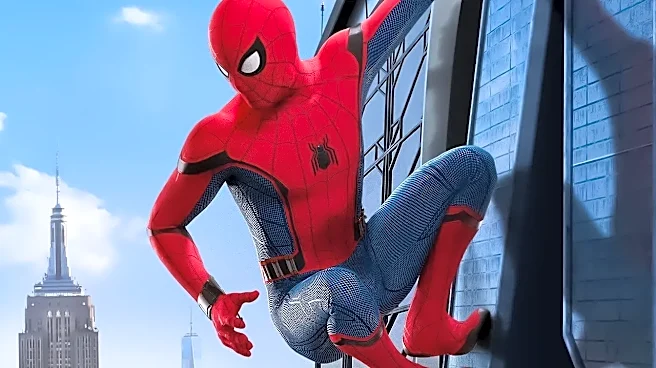
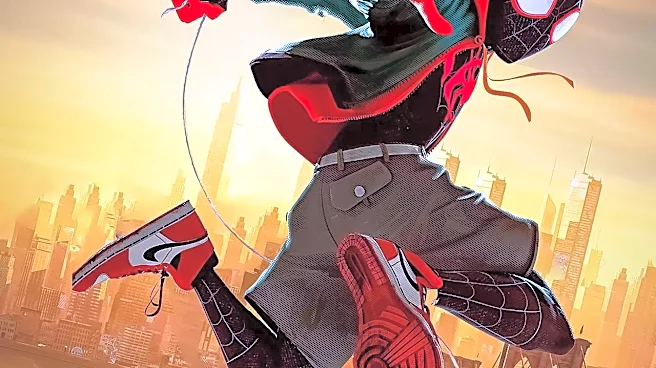
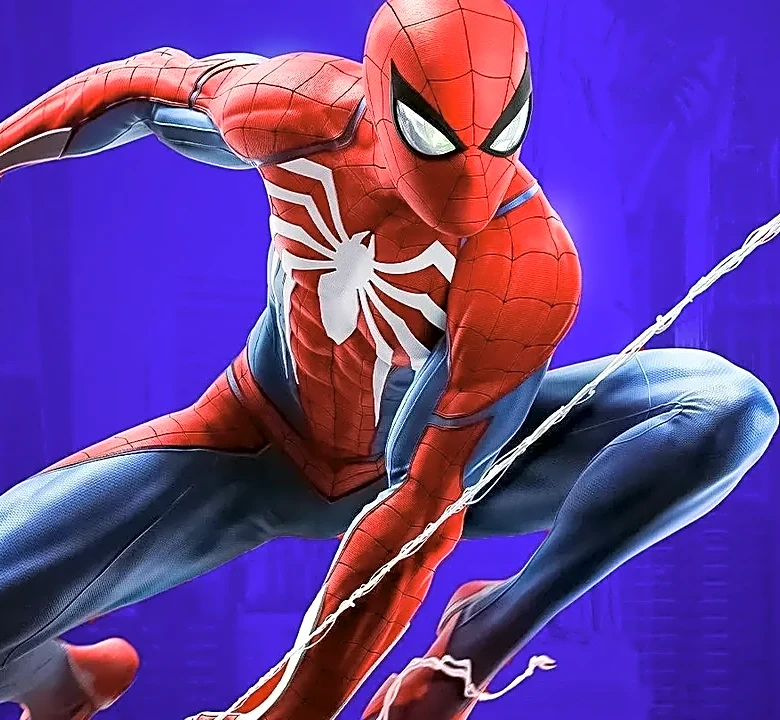
If the main stages are the lecture halls, Artist Alley is the studio session. Described as a "creative melting pot," it’s a massive space where hundreds of independent artists display and sell their work. Here, the established styles of major franchises are filtered through countless individual perspectives. You can walk down a single aisle and see Spider-Man rendered in a dozen different ways: a gritty, noir-inspired ink wash; a vibrant, cartoonish sticker; a photorealistic digital painting; or a soft, watercolor-style print. It’s a living gallery demonstrating the flexibility and durability of character design. Artists from around the world bring their unique cultural and artistic backgrounds, applying them to characters from American comics, Japanese anime, and video games. This is where you see how a single, beloved character can be reinterpreted through a spectrum of styles, from chibi to baroque, proving that a great design can transcend its original medium and aesthetic.
Cosplay as Living, Breathing Art
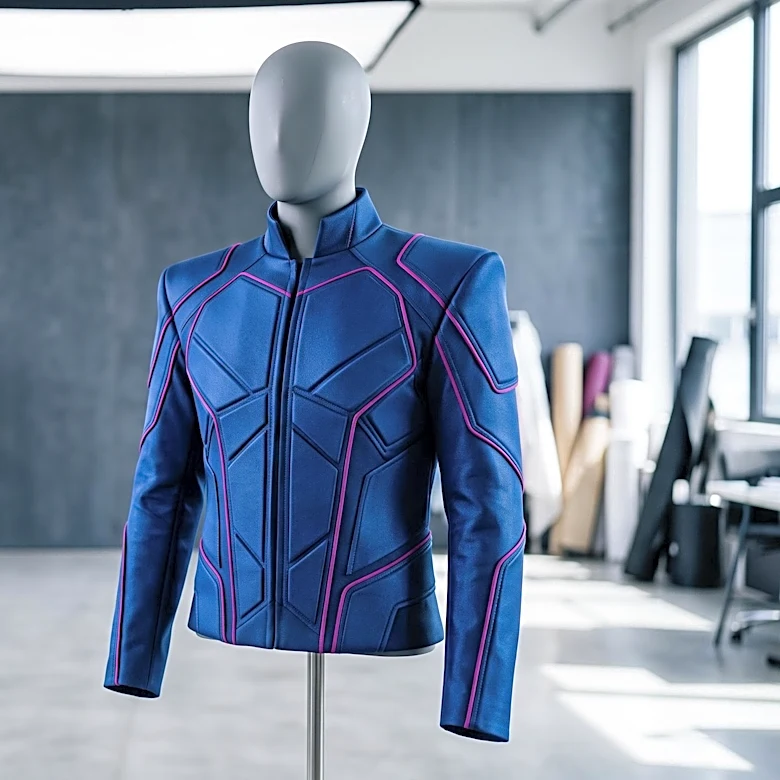
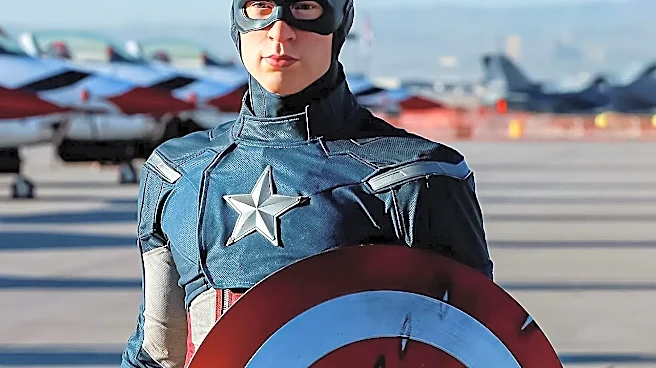
Finally, the comparison of animation styles quite literally walks off the screen and onto the convention floor. Cosplay is more than just dressing up; it’s an act of translation. A cosplayer has to make countless creative choices to bring a 2D character into the 3D world. How do you replicate the bold, cel-shaded look of a character from a game like 'Borderlands'? How do you capture the ethereal, hand-painted feel of a Studio Ghibli protagonist? At NYCC, you can see these different approaches side-by-side. A cosplayer embodying the exaggerated proportions of a 'One Piece' character might stand next to someone who has perfectly captured the sleek, armored look of a 'Gundam' pilot. Marvel even hosts official cosplay meetups, bringing together dozens of interpretations of their characters. Observing them is a masterclass in understanding what makes an animation style iconic and the clever tricks artists and fans use to make the impossible tangible.