
Why Shoulders Stretch Out
To defeat the enemy, you must understand it. Shoulder bumps and stretching are a matter of physics. Knit fabric is a series of interlocking loops, giving it that cozy stretch. When you hang a knit garment,
especially when it’s damp or warm from a steamer, gravity pulls the weight of the entire piece downward. This force concentrates on the narrowest point of contact—the hanger—stretching the delicate fibers and creating those unsightly bumps. The heat and moisture from steam relax the fibers, making them even more susceptible to stretching under their own weight.
The Golden Rule: Work Flat
The single most important rule for steaming knits without distortion is to avoid hanging them. While many guides suggest steaming on a hanger, this is the primary cause of stretched-out shoulders in heavy or delicate knits like wool and cashmere. Instead, lay your knit garment flat on a heat-safe surface. A bed or a floor with a thick towel laid down works perfectly. Some experts use dedicated blocking mats or a wool pressing mat, which absorb excess moisture and protect the surface underneath. This method supports the entire weight of the garment, allowing you to remove wrinkles without fighting against gravity.
The Proper Steaming Technique
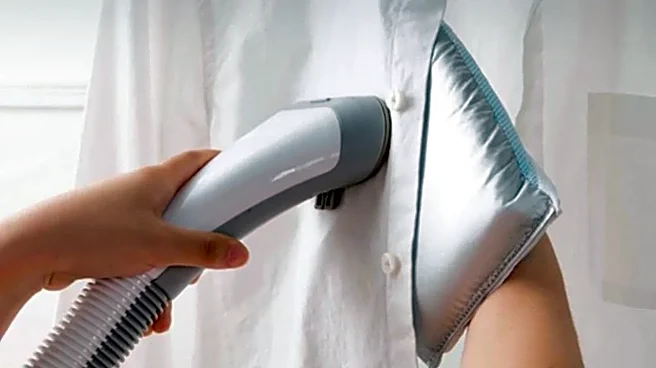
With your sweater laid flat, you're ready to steam. Turn on your garment steamer and let it heat up fully. Hold the steamer head a few inches away from the fabric; you should not press it directly onto the knit. Doing so can crush the fibers and create a shiny, flattened appearance, ruining the texture. Move the steamer in slow, steady passes across the garment, letting the hot vapor do the work. You will see the fibers visibly relax and the wrinkles disappear. Pay special attention to the shoulder area, giving it a gentle pass with the steam to release any pre-existing hanger bumps.
Targeting Stubborn Shoulder Bumps
If you're trying to fix existing shoulder bumps, the flat method is your best friend. After laying the sweater down, focus the steam on the distorted area. As the fibers relax from the heat and moisture, use your hands to gently reshape the shoulder and pat it flat. You're not pulling or stretching the fabric, but rather guiding it back to its original shape. For very stiff seams or bumps, some knitters will even place a rolled-up towel inside the shoulder to provide shape and steam around it, though this is often more necessary during garment construction.
The Crucial Final Step: Cooling
What happens after you turn the steamer off is just as important as the steaming itself. The knit is now warm, damp, and its fibers are relaxed and pliable. Moving it or hanging it up at this stage will guarantee stretching. You must leave the garment lying completely flat until it is cool and dry to the touch. This can take anywhere from twenty minutes to an hour, depending on the thickness of the knit and how much steam was used. This cooling period allows the fibers to 'set' in their new, smooth, and properly shaped state, locking in your hard work.