







1. Embrace Virtual Production
Once the realm of sci-fi epics, virtual production using LED walls (or "The Volume") is now a budget-saver for dramas. It allows a production to shoot a scene in Paris, Tokyo, and a fantasy realm in one day without leaving a soundstage. This slashes travel,
accommodation, and location-scouting costs, while giving directors real-time control over lighting and environment.
2. Write for the Budget
The most effective savings start on the page. By consciously writing scripts that utilize fewer locations, a smaller core cast, or a contained timeline, writers can dramatically reduce costs. This doesn't mean less drama; it means focusing the narrative on character-driven conflict rather than expensive set pieces, a classic technique known as the "bottle episode."
3. Plan Around Tax Incentives
This isn't just a final step; it's a pre-production priority. Choosing a filming location in a state or country with generous production rebates can return a significant percentage of the budget. Smart producers model their entire financial plan around these incentives, effectively making their dollars go further before a single frame is shot.
4. Consolidate Your Locations
Securing one large, versatile location and building multiple sets within it is far cheaper than moving a whole crew and truckloads of gear across a city every few days. A single warehouse can be dressed to look like an apartment, an office, and a police station, saving immense time and money on transportation and logistics.
5. Go with Lighter Camera & Lighting Rigs
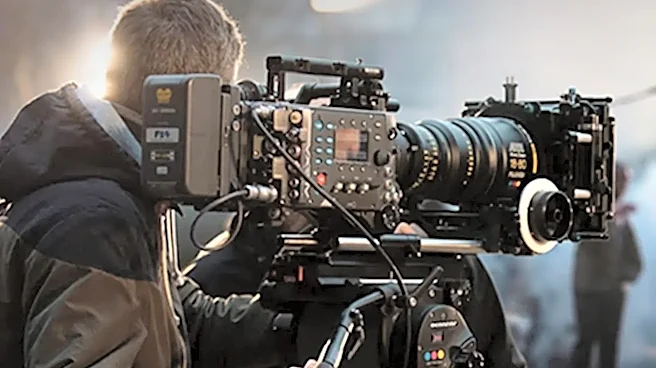
Modern digital cinema cameras are smaller and more light-sensitive than ever. Paired with lightweight, cool-running LED lighting kits, this reduces the need for large crews to rig heavy equipment and massive generators for power. Fewer crew members and faster setups translate directly into budget savings.
6. Use AI for Pre-Production Breakdowns
Before shooting, every script must be broken down to list all necessary props, costumes, and effects. AI tools can now automate this once-tedious process, analyzing a script in minutes to create comprehensive asset lists. This saves valuable time for line producers and department heads, allowing them to focus on securing cost-effective options.
7. Optimize Shooting Schedules with AI
Scheduling is a complex puzzle of actor availability, location permits, and daylight hours. AI-powered software can run millions of scenarios to find the most efficient shooting order. This minimizes idle time for expensive talent and reduces costly company moves, ensuring more of the budget ends up on screen.
8. Utilize Cloud-Based Post-Production
Post-production no longer requires everyone to be in the same expensive editing suite. Cloud-based platforms allow editors, visual effects artists, and sound designers to collaborate remotely. This widens the talent pool beyond major production hubs and reduces overhead costs associated with physical facilities.
9. Lean on AI for Initial Editing Passes
While human creativity remains essential, AI can handle the grunt work of post-production. AI tools can sift through hours of footage to create a rough assembly of the best takes, handle initial color correction, and even automate dialogue replacement (ADR). This frees up human editors to focus on the storytelling and nuance that makes a scene work.
10. License Music from Indie Libraries
Securing the rights to a hit song can cost a fortune. Instead, many shows are turning to high-quality production music libraries and independent artists. For a fraction of the cost, they can find stylistically perfect tracks that won't cripple the post-production budget, while also giving exposure to emerging musicians.
11. Master the Art of Wardrobe and Prop Rental
Unless a specific item is central to the plot, there's no need to build or buy it. An entire industry exists to rent costumes, furniture, and props to productions. Smart wardrobe supervisors and set decorators can create a rich, textured world by pulling from existing stock rather than commissioning expensive custom pieces.
12. Fewer, More-Rehearsed Takes
In the digital era, it's tempting to let the camera roll endlessly. However, this creates mountains of footage that costs time and money to sort through in post-production. By spending more time rehearsing with actors, a director can capture the scene in fewer, more deliberate takes, saving time on set and in the edit bay.
13. Rely on a Smaller, Multi-Skilled Crew
With more efficient technology, the era of bloated film crews is fading. Productions are now prioritizing hiring crew members who have multiple skills—for example, a camera operator who can also manage data, or a lighting technician who also serves as a grip. This reduces headcount without sacrificing on-set capability.
14. Plan VFX for Cost-Effectiveness
Visual effects don't have to be expensive. Often, a simple digital set extension to make a room look bigger or adding a CGI element to an existing plate is far cheaper than building a physical set or staging a complex practical effect. The key is planning these shots from the beginning to maximize their impact for minimal cost.