



The Ghost of the Villa Casuarina
You can’t talk about Miami style without talking about Gianni Versace. When the designer moved to South Beach in 1992, he didn’t just buy a house; he imported an entire aesthetic. His home, the Villa Casuarina, became the epicenter of a new kind of American
glamour—bold, hedonistic, and dripping with opulent confidence. Versace’s legendary parties, his roster of supermodel friends, and his unabashed love for Medusa heads and gold leaf defined the city’s revival in the '90s. While his tragic death in 1997 marked the end of an era, his influence never left Ocean Drive. Decades later, the swimwear designers who flock to Miami each summer are still speaking a stylistic language he largely invented. They aren't just showing in Miami; they are designing *for* the Miami he helped create.
Decoding the Prints
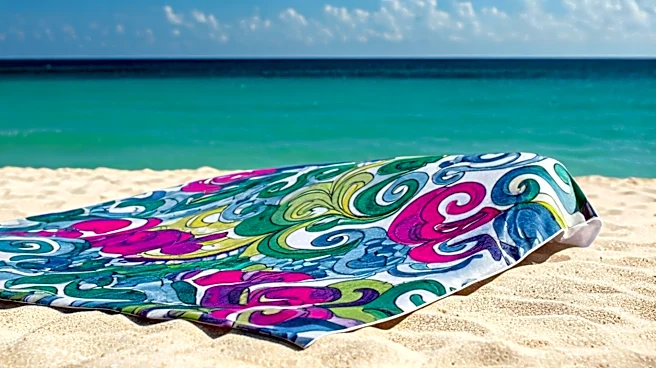
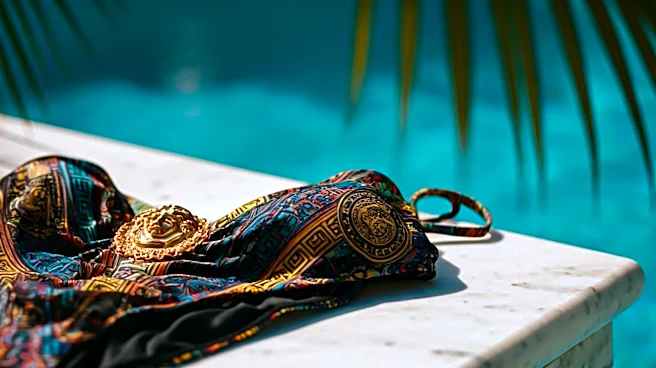
The most obvious tell is the print. Versace’s baroque patterns—intricate swirls of gold, black, and electric color—are so iconic they’ve become a design shorthand for luxury. Walk the runways of Miami Swim Week, and you'll see them everywhere, albeit remixed for a new generation. Today’s designers might swap the classic acanthus leaves for tropical palms, but the spirit is the same: loud, dense, and unapologetically rich. The signature Greek key (or Meander) pattern, a Versace staple, reappears as geometric trim on bikini straps and waistbands. Likewise, his famous Trésor de la Mer collection, with its starfish, shells, and oceanic mythology, has created a permanent permission slip for swimwear brands to go beyond simple florals and embrace high-concept, narrative prints that tell a story of seaside decadence.
Hardware, Straps, and Daring Cuts
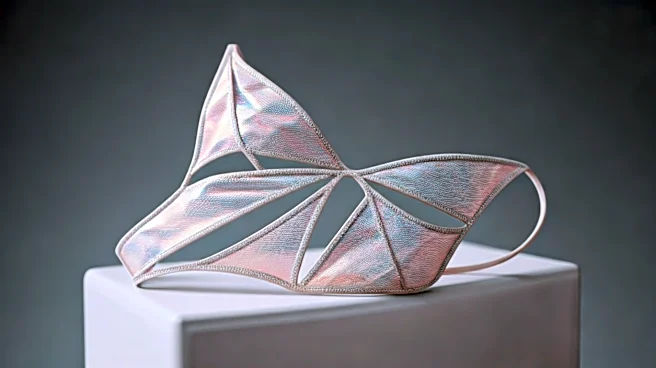
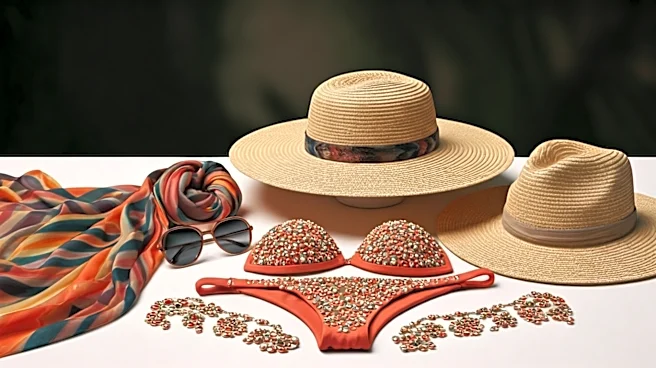
Versace’s genius wasn’t just in two dimensions. He understood the power of hardware and structure. His signature Medusa medallion, often rendered in gleaming gold, established a precedent. Now, it’s impossible to ignore the proliferation of gold-tone hardware on modern swimwear. Circular clasps, chain-link straps, and logo-like emblems centered on a bikini top or the hip of a brief all echo that original Versace touch. It elevates a simple piece of swimwear into a piece of jewelry. Beyond the metal, the DNA is in the architecture. Think of Elizabeth Hurley’s 1994 safety pin dress. It wasn’t just a garment; it was a statement about celebrating the body through strategic reveals and confident construction. That philosophy is the bedrock of Miami swimwear, with its complex latticework of straps, dramatic cut-outs, and silhouettes that are engineered for maximum impact, not just for swimming laps.
An Attitude of Unapologetic Glamour
Ultimately, the Versace DNA that persists is less about a specific motif and more about an attitude. Gianni Versace sold a fantasy of being the most confident, powerful, and glamorous person in the room—or on the beach. He championed a maximalist sensibility that rejected minimalism and embraced color, shine, and sex appeal. This is the very soul of Miami Swim Week. The brands that succeed here aren’t peddling quiet poolside elegance; they’re selling main-character energy. They’re designing for the yacht party, the exclusive beach club, and the Instagram post that will be seen by thousands. By embracing bold prints, high-shine fabrics, and body-celebrating cuts, contemporary designers aren't just copying Versace. They are plugging into the same cultural current of sun-soaked, unapologetic confidence that he channeled so masterfully three decades ago.