







The Accidental Masterpiece
Let’s start with the sequel that should have never been this good. *Toy Story 2* was initially planned as a 60-minute, direct-to-video cash-in, the kind of low-stakes project Disney’s animation studio used to churn out for franchises like *Aladdin* and
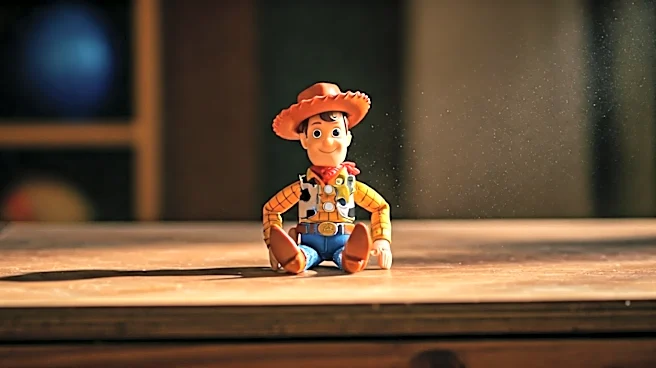
*The Lion King*. But something happened on the way to the bargain bin. The creative team at Pixar, led by John Lasseter, couldn’t bring themselves to make something mediocre. In a now-legendary act of creative rebellion and corporate brinkmanship, they scrapped the original version and remade the entire film in just nine months. What emerged was not just a better movie, but a deeper one. The introduction of Jessie, the cowgirl doll abandoned by her owner, gave the franchise its emotional masterstroke: the gut-wrenching ballad “When She Loved Me.” Suddenly, these weren't just toys; they were beings with histories, traumas, and a profound fear of being forgotten. *Toy Story 2* established the franchise’s core thesis: a sequel’s job isn’t just to continue the plot, but to deepen the emotional stakes for the characters we already love.
The Perfect Ending That Wasn't
If *Toy Story 2* was about the fear of being forgotten, *Toy Story 3* was about the inevitability of it. Eleven years later, Pixar returned to the toy box to confront the one thing no one wanted to face: Andy was going to college. The film weaponized the passage of time itself. For the kids who grew up with the original, Andy’s departure mirrored their own transitions into adulthood. The film is a masterclass in emotional escalation, culminating in one of the most harrowing and ultimately beautiful sequences in animated history. As the toys slide toward a fiery incinerator, they don't scream or panic. They simply look at each other and hold hands, accepting their fate together. It’s a moment of profound, terrifying grace. Of course, they are saved, but the real catharsis comes when Andy gives his beloved toys to Bonnie, bestowing upon each a memory and a purpose. It felt like the perfect, definitive ending—a poignant farewell to childhood itself.
The Controversial Epilogue of the Soul
Many fans felt *Toy Story 4* was an unnecessary risk. How could you top the perfect ending of the third film? But Pixar understood that while the *group’s* story had concluded, Woody’s hadn’t. The fourth film is the most radical of the bunch because it questions the franchise’s central premise. For three movies, a toy’s purpose was to be loved by a child. *Toy Story 4* asks: Is that all there is? Through his reunion with Bo Peep—now a self-sufficient “lost toy”—Woody is confronted with the idea of a life beyond a kid’s bedroom. His final decision to leave Bonnie and the gang isn't a betrayal of his friends; it's an act of self-actualization. It’s a sequel that argues that even our most cherished characters deserve to define their own happiness, to find their own soul outside the role they were assigned. It’s a messy, complicated, and deeply adult idea smuggled into a family film.
The Blueprint for a Sequel With Soul
So, what’s the secret? Other franchises have tried to copy the formula, but few have succeeded. The *Toy Story* sequels work because they aren't about expanding a universe or setting up the next installment. They are about aging the characters emotionally. Each film forces Woody and the gang to confront a more mature existential crisis: the fear of replacement in *2*, the pain of obsolescence in *3*, and the search for individual purpose in *4*. Pixar never shied away from the difficult, bittersweet truth that life is a series of goodbyes and new beginnings. Instead of just adding more characters and bigger action sequences, they added more complex emotions. They respected the audience's intelligence and their emotional investment, proving that the most valuable IP isn't a collection of characters, but the love we have for them.