




The 'Headliner' Philosophy
At most music festivals, the main attraction is on the stage. At Electric Daisy Carnival (EDC), the main attraction is you. This isn't just a marketing slogan; it's the core philosophy of Insomniac Events, the festival's producer. Founder Pasquale Rotella
has consistently stated that the most important person at the event is the “Headliner”— a term Insomniac uses for every single attendee. This simple but profound shift in focus changes everything. It reframes the experience from a passive concert into an active role. By empowering attendees and telling them they are the heart of the show, EDC fosters a sense of ownership and importance. The DJs, the lights, and the fireworks are merely the soundtrack and scenery for the Headliners' collective experience. This creates an immediate, powerful buy-in that a traditional concert model can't replicate.
Engineering Shared Experiences
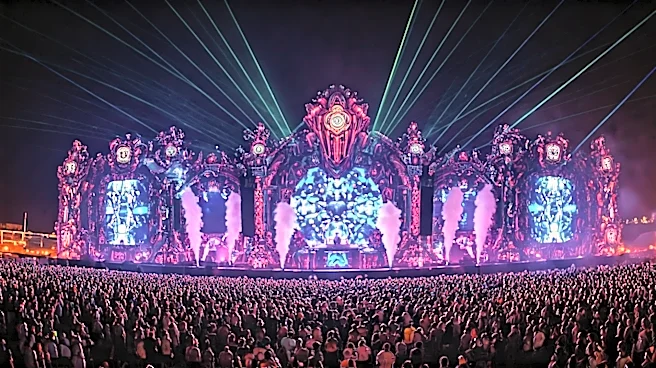
A key part of EDC's magic is its layout, which is designed less like a venue and more like an interactive fantasy world. Beyond the nine-plus massive stages, the Las Vegas Motor Speedway is filled with glowing, large-scale art installations, costumed performers roaming through the crowds, and whimsical themed areas like Rainbow Road or Downtown EDC, which features a tiny chapel for (real or fake) weddings. This is intentional. The environment is engineered to encourage exploration and, crucially, interaction between strangers. You don't just stand and watch a DJ; you discover a hidden art car playing a surprise set, you help a stranger take the perfect photo in front of a giant flaming octopus, or you collectively marvel at a parade of neon-clad acrobats. These moments of shared discovery and play are the building blocks of community. They create unique, personal memories that bind attendees together far more effectively than simply sharing a view of the main stage.
The Unwritten Rules of Unity
Every community needs a social contract, and the world of EDC runs on an acronym: PLUR. Standing for Peace, Love, Unity, and Respect, this mantra is the unofficial code of conduct. While it might sound like a holdover from 1960s idealism, it’s a functional ethos that shapes behavior on the festival grounds. It encourages a culture of openness, friendliness, and mutual support. This is most visibly expressed through the tradition of trading “kandi”—colorful beaded bracelets. The ritual involves a special handshake and the exchange of a handmade bracelet, turning a simple interaction with a stranger into a moment of connection. For first-timers, being welcomed into this tradition is a powerful rite of passage. It’s a tangible way of saying, “You belong here.” By promoting a shared value system, EDC gives its temporary citizens a common language and a set of expectations that prioritize positive social interaction over individualism.
Building a Year-Round Universe
The feeling might fade as the sun rises on the final morning, but Insomniac’s work is just beginning. Turning a three-day event into a year-round fandom requires a robust ecosystem. Insomniac doesn't just sell tickets to EDC; it cultivates a 365-day-a-year identity. This is done through a constant stream of content and connection points. The company hosts dozens of other, smaller festivals across the country, creating a touring circuit for its most devoted fans. It runs a weekly radio show, “Night Owl Radio,” that keeps the music and culture alive between events. Its social media channels are relentlessly active, sharing fan photos, lineup rumors, and nostalgic clips. This constant engagement ensures that EDC isn't just an annual vacation. It’s a tribe you can be a part of all year long, an identity you can carry with you until you can finally “go home” to the desert again.