



The Primal Instrument
Jim Morrison wasn't a technically trained singer, and that was his secret weapon. He possessed a rich, resonant baritone that he used not for acrobatic feats but for raw, emotional storytelling. His voice could be a seductive, warm blanket in one moment
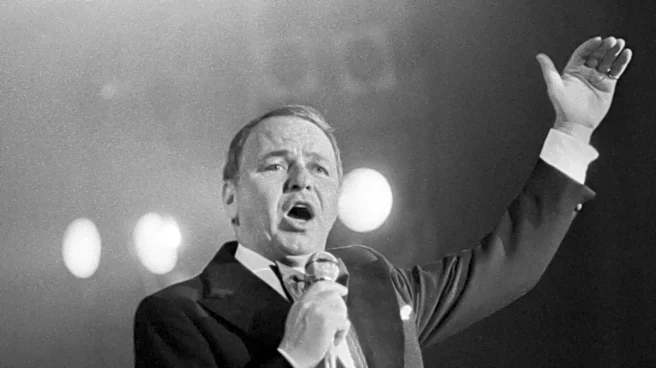
and a menacing, guttural roar the next. This dynamic range had less to do with hitting high notes and more to do with texture and intent. He delivered lyrics with the conviction of a preacher and the intimacy of a poet whispering in your ear, often blurring the line between singing and spoken word. Influenced by singers like Frank Sinatra and Howlin's Wolf, Morrison treated his voice as a primal instrument of seduction and chaos, commanding attention not with polished perfection, but with sheer, magnetic presence. Later in his career, the wear and tear of his lifestyle added a raspy, world-weary texture that only deepened its emotional impact.
The Poet's Soul
You can't separate Morrison's sound from his words. He was a voracious reader who consumed the works of Romantic and Symbolist poets like William Blake and Arthur Rimbaud, Beat writers like Jack Kerouac, and philosophers like Friedrich Nietzsche. This literary foundation gave his lyrics a dark, surreal, and often shocking quality that stood apart from the pop songs of the era. While his peers sang of love and peace, Morrison explored themes of death, rebellion, madness, and transcendence. He wasn't just writing song lyrics; he was crafting prose poems set to music, filled with evocative, sometimes disturbing, imagery. He told his bandmates he wanted to be a mirror to society, reflecting its chaos and beauty without judgment. This intellectual and poetic depth is a core reason his 'sound' feels so weighty and complex; it was built on a foundation of serious literature.
The Shaman on Stage
The Doors' studio albums are only half the story. To truly understand Morrison's sound, you had to see him live. He was a student of theater and film at UCLA, and he viewed performance as a transformative ritual. Onstage, he wasn't just a singer; he was the 'Lizard King,' a modern-day shaman channeling something primal and unpredictable. He was known for his interest in the works of Antonin Artaud and his 'Theatre of Cruelty,' which aimed to shock the audience out of its complacency. His confrontational, often erratic performances were designed to provoke a reaction, breaking down the barrier between audience and performer. This wasn't just rock-and-roll swagger; it was a conscious, philosophical approach to live art. The danger and unpredictability of his presence were as much a part of his sound as any note he sang.
The Alchemical Band
Morrison's sound would have been impossible without the unique sonic landscape created by the other three members of The Doors. The band’s instrumental chemistry was its own kind of magic. With no dedicated bass player, Ray Manzarek’s left hand on his Fender Rhodes Piano Bass provided the hypnotic, melodic low end, while his right hand created the swirling, iconic organ riffs that are central to their sound. Robby Krieger, a guitarist steeped in flamenco, folk, and jazz, brought a liquid, unconventional style, avoiding rock clichés for more exotic and lyrical melodies. And John Densmore, with his background in jazz, gave the band a rhythmic sophistication and dynamic range that other rock drummers lacked. They weren’t just a backing band; they were collaborators in a shared vision, constructing a psychedelic fusion of blues, jazz, and rock that gave Morrison the perfect stage for his vocal and lyrical explorations.