





More Than Just a Suit
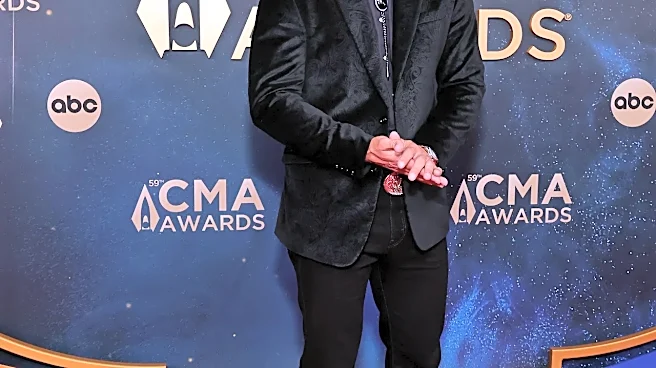
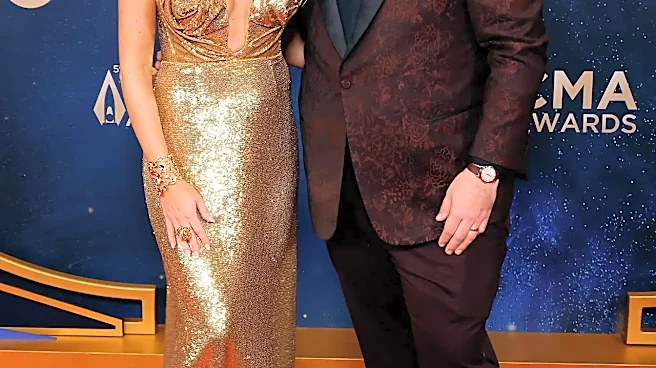
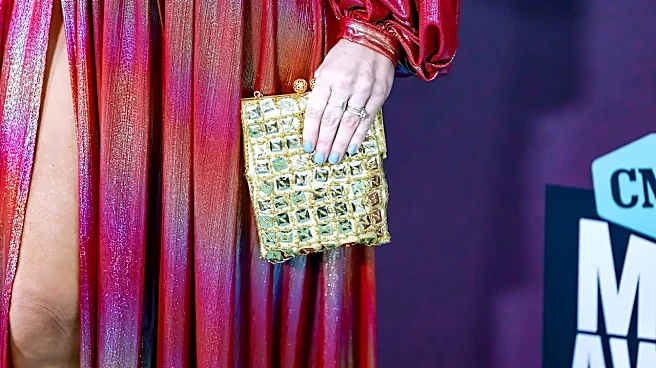
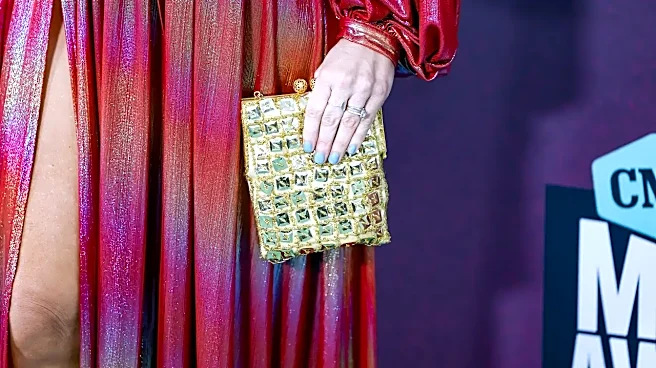
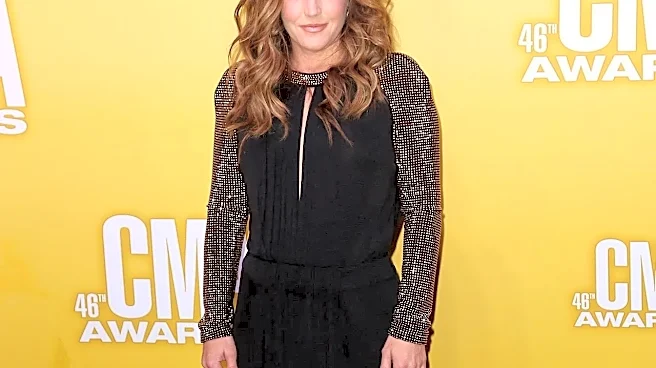
When a star steps onto the red carpet, their outfit speaks volumes before they say a word. At this year's CMA Awards, the familiar glimmer of rhinestones was everywhere, but the true statements were made in the details. Intricate floral patterns bloomed
across jacket lapels, and symbolic imagery snaked up pant legs in thousands of tiny stitches. This wasn't just fashion; it was biography woven into fabric. These pieces are a far cry from off-the-rack glamour. Each one is a collaboration between an artist and a designer, a process that can take hundreds of hours to bring a single vision to life. The result is a piece of wearable art that is as personal to the musician as their lyrics, continuing a legacy of showmanship that is uniquely country.
The Hands Behind the Thread
In quiet studios in Nashville and beyond, a new generation of artisans is keeping a storied craft alive. Designers like Sarie Gessner, who apprenticed with the legendary Manuel Cuevas, are turning their love of music into custom chain-stitched masterpieces. Using specialized vintage machines, these artists 'paint' with thread, guiding the fabric by hand to create flowing lines that resemble intricate drawings. The process is meticulous and slow. It begins with a concept, often deeply personal to the musician, which is then sketched and digitized. From there, the artisan spends countless hours at the machine, layering colors and textures to create a one-of-a-kind piece. As one designer noted, it's surreal to see something created in their studio appear on a major stage, a testament to the unseen hours behind the spotlight.
A Stitch in Time
Creating a custom embroidered suit is a journey. An initial consultation can last for hours as the musician and designer discuss themes, symbols, and fit. Once a design is finalized, a pattern is created and transferred onto the chosen fabric—often sturdy gabardine or denim that can support the weight of the threadwork. Then, the embroidery begins. A single jacket can require over 100 hours of stitching, with some elaborate pieces taking a month or more from start to finish. Each element is carefully planned, from the type of stitch used to the color of the thread. After the embroidery is complete, rhinestones are often added by hand, one by one, for that signature sparkle. Finally, the garment is assembled, tailored, and fitted, ensuring it’s not just stunning but also durable enough to withstand a high-energy stage performance.
The Rhinestone Cowboy's Legacy
This modern revival of embellished stagewear stands on the shoulders of giants. The tradition was largely pioneered by immigrant tailors like Nathan Turk and Nudie Cohn, who brought Old World embroidery techniques to Hollywood in the 1930s and '40s. Cohn, in particular, became a legend, with his 'Nudie Suits' becoming a status symbol for everyone from Hank Williams to Elvis Presley. These designers understood that on a vast stage or in a dim honky-tonk, a performer needed to be seen. Rhinestones and vibrant embroidery weren't just decorative; they were a practical tool for showmanship. Cohn's protégé, Manuel Cuevas, carried the torch, designing Johnny Cash's signature black suits and countless other iconic looks. Today's artists, by embracing this aesthetic, aren't just wearing a flashy outfit—they're participating in a conversation with country music history, reinterpreting its most dazzling traditions for a new era.