





The Attention Span Is Only Half the Story
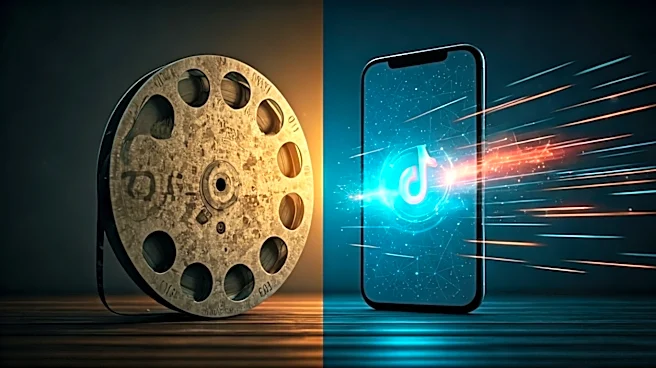
The phrase “the TikTok problem” might sound like a complaint about dwindling attention spans, and that’s part of it. Traditional documentaries, with their slow pans, expert interviews, and linear narratives, feel alien to a generation accustomed to 15-second
clips, rapid cuts, and algorithm-driven content streams. But the issue runs deeper than just speed. The very language of storytelling has changed. TikTok thrives on authenticity, user-generated perspectives, and a direct, often informal, tone. This clashes with the polished, authoritative “voice of God” narration that has defined historical documentaries for decades. For documentarians tackling America 250, the problem isn't just holding a viewer's attention; it's earning their trust with a format that feels genuine.
A Clash of Narrative Cultures
Consider the classic Ken Burns documentary: a meticulously researched, chronologically paced journey lasting several hours. Now, consider how history often appears on TikTok: a history teacher using Gen Z slang to explain the Russian Revolution, or a user reinterpreting historical figures with modern humor. The former is a lecture; the latter is a conversation. A Gallup poll found that while many Americans plan to watch anniversary coverage, younger audiences expect engagement. They are used to platforms where they can comment, duet, and create their own content in response. This creates a fundamental disconnect. America 250 documentarians are tasked with presenting a definitive historical account to a demographic that increasingly prefers decentralized, participatory storytelling over a singular, authoritative narrative.
Can History Go Viral?
Filmmakers and media companies are not ignoring the problem. Some are experimenting with creating short-form content for social media to promote their larger projects. This can mean turning a powerful moment from a documentary into a shareable clip or creating behind-the-scenes videos. Others are focusing on telling big stories through small, personal narratives that are more emotionally resonant and easier to package for a digital audience. The goal is to find a hook—a surprising fact, a relatable character, an emotional contradiction—that can capture interest in seconds. For example, a sprawling series on the American Revolution might be promoted with a 60-second video focused on the untold story of a single, unsung hero, a format that feels native to the TikTok ecosystem.
Bridging the Gap Without 'Dumbing It Down'
The challenge for America 250 productions is to adapt without compromising historical integrity. It’s not about turning the Declaration of Independence into a dance challenge. Instead, it’s about finding new ways to frame history that connect with a modern sensibility. This could mean more visual storytelling, less reliance on talking-head experts, and structuring narratives around questions and themes rather than strict timelines. Some projects are already embracing this, creating interactive mobile exhibits and digital content designed for accessibility. As networks like PBS, NBC, and Netflix roll out their ambitious America 250 slates, they are implicitly grappling with this question. They have to create something that feels both monumental and personal, educational and entertaining, for an audience that holds the past and the future in the palm of their hand.