




The Undisputed Champion of Comfort and Fit
Let’s start with the obvious: nothing beats the pure, unadulterated bliss of a forgiving waistband. In a world of rigid denim and unforgiving tailored trousers, the drawstring is a sigh of relief. It’s an acknowledgment that bodies fluctuate, that we
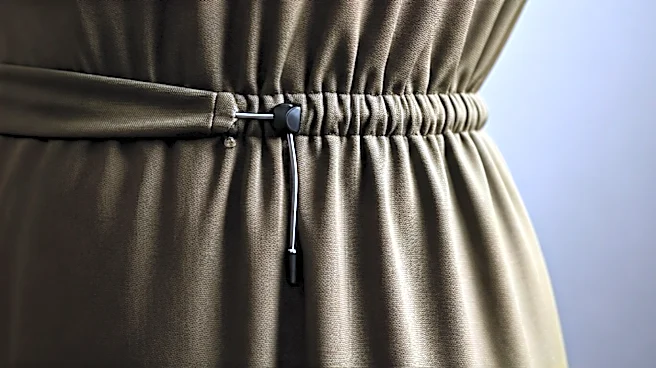
eat big lunches, and that comfort is not a sign of sartorial failure but a basic human right. But to dismiss it as merely comfortable is to miss its genius. The drawstring offers a customized fit that no button, clasp, or fixed-size band can ever achieve. It’s inherently inclusive, accommodating a wider range of body shapes and sizes within a single garment. It doesn’t judge you after a holiday meal or a long flight. It simply adapts. This democratic approach to sizing is something the fashion industry, often criticized for its exclusivity, could learn from. The drawstring doesn’t demand you fit the clothes; it allows the clothes to fit you.
From the Track to the Runway
For decades, the drawstring was relegated to the locker room. It was the functional signature of sweatpants and gym shorts, a clear signal that you were either exercising or pointedly not leaving the house. Its association with pure utility made it an easy target for fashion snobs. But then, the lines began to blur. The rise of athleisure in the 2010s saw athletic wear seep into every corner of our wardrobes. Suddenly, joggers weren’t just for jogging. As this cultural shift happened, designers saw an opportunity. Visionaries in the luxury streetwear space, like Jerry Lorenzo of Fear of God, elevated the drawstring trouser into a coveted status symbol. High-fashion provocateurs like Rick Owens have long used elongated drawstrings as a key design motif, turning a functional detail into a dramatic, flowing signature. Now, you can find drawstring waists on everything from silk trousers and linen pants to high-end designer shorts. The drawstring has successfully completed its journey from the purely functional to the intentionally fashionable.
The Art of the Deliberate Knot
As the drawstring has become more visible, how it’s worn has become a subtle style signifier. Leaving the strings long and dangling creates a relaxed, slightly undone look popularized by streetwear culture. Tucking them in offers a cleaner, more streamlined silhouette, allowing a pair of drawstring trousers to pass in a more formal setting. A neatly tied bow can even feel intentional and polished, a small, thoughtful detail. This level of versatility gives the wearer agency. You can decide what message your waistband sends. Paired with a crisp button-down shirt and loafers, drawstring trousers can look sharp and modern. Worn with a hoodie and sneakers, they are the epitome of casual cool. The drawstring isn't just a closure; it's an accessory and a key part of the garment's overall aesthetic. Mastering its presentation is a low-stakes way to demonstrate style literacy.
A Symbol of Our Flexible Lives
If any single clothing detail captures the spirit of modern life, it’s the drawstring. We live in a state of perpetual flex, blending work and home, leisure and productivity. The uniform of the remote-work era—the infamous “Zoom mullet” of a business-appropriate top and comfortable bottoms—is built on the foundation the drawstring perfected. It represents a demand for clothing that can keep up with our dynamic lives. We need outfits that are comfortable for sitting at a home office desk, presentable enough for a quick video call, and flexible enough for an evening walk or a trip to the grocery store. The drawstring waistband is the linchpin of this new wardrobe logic. It’s the sartorial equivalent of an open-plan living space: adaptable, informal, and designed for the way we actually live, not the way we’re supposed to.