



A great ballad can stop you in your tracks. It’s a whisper in a loud world, a story of heartbreak or devotion that feels personal. So why, when that same song reaches a massive stage like the Latin Grammys, can its magic seem to vanish?
The Arena Roars, the Ballad Whispers
Imagine an artist
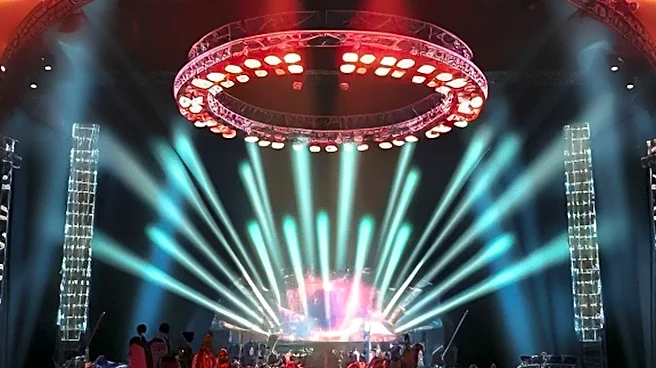
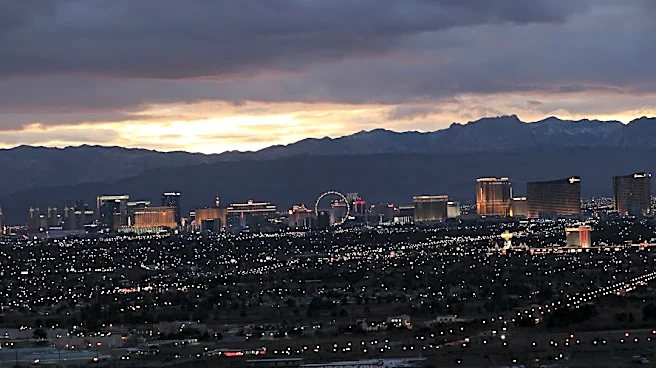
stepping onto the stage at the MGM Grand Garden Arena in Las Vegas, the confirmed venue for the 27th Annual Latin GRAMMY Awards. The room is cavernous, designed for spectacle and energy. The production is a whirlwind of sweeping camera angles, thousands of watts of light, and an audience expecting a high-octane show. A ballad, by its nature, is an act of reduction. It’s about stripping away noise to get to a core emotion. In an arena, the fundamental goal is the opposite: to fill the space. The production designers are tasked with creating a show that feels huge, even on a television screen. This often means elaborate sets, pyrotechnics, and a scale that inherently works against the quiet power of a solo artist pouring their heart out over a piano or a single guitar.
Fighting for Focus Amid the Flash
On an awards show broadcast, the biggest enemy is the remote control. To keep millions of viewers on Univision from changing the channel, producers rely on constant visual stimulation. This translates to backup dancers, intricate graphic packages on massive LED screens, and dramatic lighting shifts. When a ballad is performed, it is often subjected to this same treatment. A song about quiet desperation might be staged with slow-motion dancers or an abstract, swirling background that distracts from the raw emotion on the singer's face. The lighting, designed to create 'big looks' for the cameras, can feel generic and cold, failing to create the warm, focused environment a ballad needs to truly connect. Instead of an intimate moment, the performance becomes just another segment in a variety-show format, losing its unique identity in the process.
The Medley Trap and the Three-Minute Rule
Time is the most valuable currency at a live awards show. With dozens of awards to give out and numerous artists scheduled to perform, each slot is brutally short. This is particularly damaging for ballads, which often rely on a slow build—a quiet verse, a building chorus, a soaring bridge—to achieve their emotional peak. More often than not, an artist will be asked to perform a truncated version of their hit, cutting a verse or shortening the intro. Worse yet is the 'medley trap,' where a ballad is sandwiched between two uptempo numbers. This sonic whiplash prevents the audience from settling into the song's mood. The intimacy is broken before it even has a chance to form, reducing a poignant piece of songwriting to a brief, often forgettable, musical interlude.
When Artists Are Forced to 'Level Up'
Faced with a massive stage and the pressure to deliver a 'Grammy moment,' artists and their teams often feel compelled to reinvent the song. A sparse, acoustic recording is frequently blown up with a full orchestra, a gospel choir, or a heavier drum beat. While the intention is to make the song feel 'bigger' and more epic for the occasion, this can betray the very essence of what made it special. The vulnerability and space in the original arrangement get smothered. An artist known for their subtle, raw delivery might be encouraged to over_sing, pushing their voice to fill the arena and compete with the grander production. This compromise, meant to adapt the song to the stage, can inadvertently strip it of its soul, leaving a performance that is technically impressive but emotionally hollow. The quiet confession becomes a loud declaration, and in doing so, loses the very intimacy it was meant to create.