








Respect the Ninety Minutes
The first thing to understand about soccer is its rhythm. Unlike American football or basketball, there are no TV timeouts. The clock runs continuously for 45 minutes, a short halftime break, and then another 45 minutes. This creates a constant, building
tension. Hardcore fans are locked in for the entire half. This isn't the time for a prolonged chat or a casual walk in front of the screen. The most dramatic moment of the entire match could happen at any second. If you need to grab another drink or ask a question, pick your spot carefully—ideally not when the ball is anywhere near either goal. The flow of the game is everything, and interrupting it is a major party foul.
Choose Your Colors Wisely
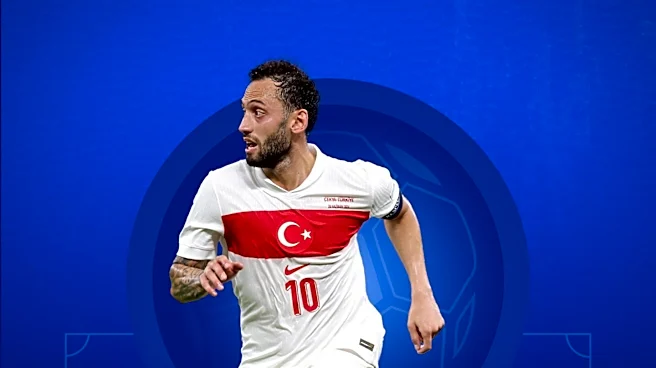
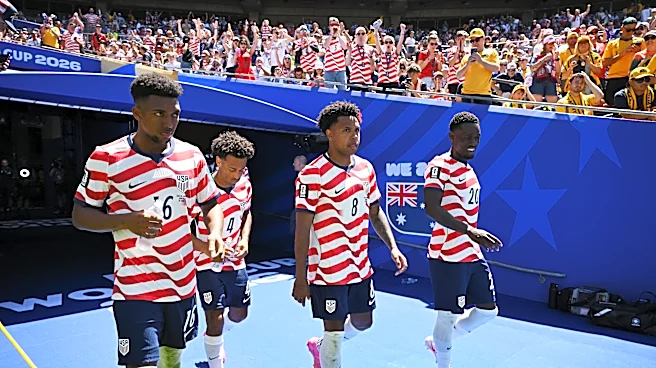
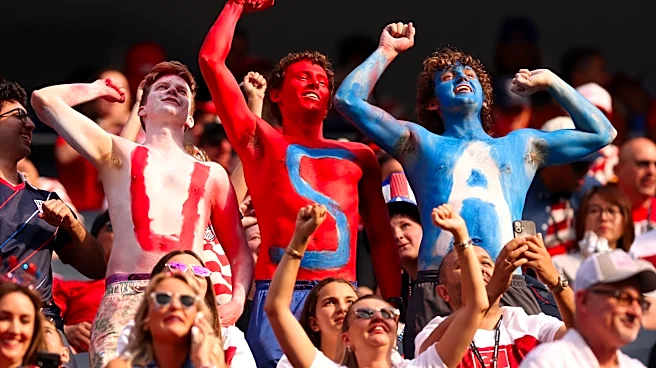
What you wear matters. Showing up to a bar or viewing party in the colors of a team is a sign of affiliation. It’s a great way to show you’re part of the scene. But be mindful. If you're going to a pub known for supporting England, wearing an Argentina jersey is a bold, and likely foolish, choice. The rivalries are deep and passionate. If you don't have a specific team to support, that's perfectly fine. Just don't wear the colors of a rival. When in doubt, neutral colors are your friend. Or, even better, wear the colors of the home crowd to share in the collective energy.
Don't Ask for a Rulebook
There’s one rule that trips up every newcomer: offside. Here’s the only explanation you need during a match: it prevents players from just camping out by the opponent's goal. Do not, under any circumstances, ask for a detailed breakdown during a tense moment in the game. Fans will be happy to explain the nuances after the match, but a critical video-assisted review (VAR) check is not the time for a tutorial. Similarly, complaining that “nothing is happening” in a 0-0 game is a rookie mistake. A scoreless match can be a brilliant, high-stakes tactical battle full of near-misses and incredible defensive plays. Appreciate the tension, not just the goals.
Embrace the Chants, Not the Commentary
Soccer culture is built on songs and chants. You'll hear them rise and fall with the action, a shared language of hope, despair, and pride. It's a huge part of the experience, so feel free to join in when you get the hang of one. However, what is *not* part of the experience is providing your own play-by-play. Avoid being the person who yells “kick the ball!” or “shoot!” every time a player has possession. Players are often executing complex tactical moves, and passing backward can be a crucial part of controlling the game's pace. Trust that the professionals and the lifelong fans around you understand the strategy. Your job is to soak in the atmosphere.
Match the Energy of the Celebration (and the Grief)
A goal in a World Cup match is an explosion of pure, unadulterated joy. It's a release of all that pent-up tension. When your team scores, you celebrate. Loudly. Jump, cheer, hug a stranger (within reason). This is the payoff. On the flip side, understand that a loss, especially in the knockout stages, can be genuinely heartbreaking for dedicated fans. Immediately after a devastating loss is not the time for a cheerful “it’s just a game” or a critical analysis of what went wrong. The immediate aftermath is for emotion. Let people grieve. The tactical breakdown can wait for tomorrow's podcasts.
Know the Lingo, or at Least the Basics
You don't need to be an expert, but knowing a few key terms will help you follow the conversation. The field is a "pitch." A uniform is a "kit." A tie score is a "draw." When a team doesn't allow any goals, they've kept a "clean sheet." In the U.S., it's fine to call it "soccer." Most people will know what you mean. However, be aware that in the company of international fans, calling it "football" is a small sign of respect for the global culture you're participating in. Nobody will quiz you, but showing you've made an effort goes a long way.