









The Comfort of Classic Evil
The classic, black-clad witch is a known quantity. From the Wicked Witch of the West to countless Halloween decorations, she represents a straightforward, almost comfortable form of evil. Her aesthetic is a clear signal of her intent. The color black in horror
traditionally symbolizes death, shadows, and wickedness. There are no mixed messages. You see the pointy hat and dark robes, and you know you're dealing with curses and hexes, not healing potions. This archetype is predictable, and in that predictability, there is a strange sort of comfort. We know the rules of engagement. This is Evil with a capital 'E', an external threat that is easy to identify, and therefore, conceptually easy to fight.
When Purity Becomes a Threat
The 'white witch' is a more complicated figure. Historically and in some modern neopagan traditions, a white witch practices magic for selfless purposes, focusing on healing and good. But in horror, the color white is rarely a symbol of safety. Instead, filmmakers and writers love to subvert our expectations. An all-white costume can signify a hidden danger or a cult-like mentality. Think of the eerie, smiling cultists in 'Midsommar,' dressed in pristine white as they commit horrific acts in broad daylight. Their white clothing is meant to project purity and harmony, but it becomes a uniform of terrifying conformity. The horror comes from the dissonance: what looks pure is actually rotten to the core.
The Horror of the Blank Slate
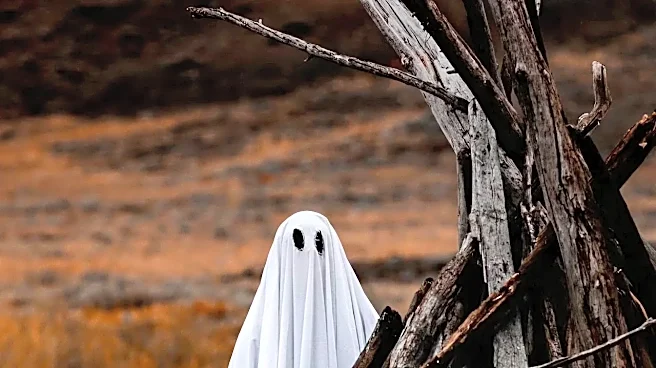
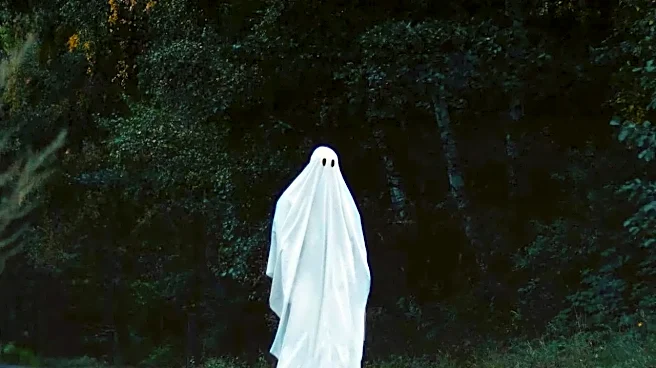
Beyond corrupted purity, white evokes a deeply unsettling sense of sterility and emptiness. A sterile, white hospital room can feel more like a tomb than a place of healing. It's the color of ghosts, of the unnatural pale skin of a possessed child, and the unnerving blankness of an alien abduction chamber. A character in all white can suggest a loss of identity—a person who has been wiped clean of their humanity and replaced by something hollow and compliant. This taps into a psychological fear known as 'creepiness,' which is often rooted in the uncertainty of a threat. You feel uneasy because the signals are ambiguous. A figure in black is an obvious monster; a figure in white might be a monster pretending to be an angel, and that ambiguity is profoundly disturbing.
An Unholy Righteousness
Perhaps the most chilling aspect of the white-clad villain is the implication of righteousness. The all-black witch knows she's wicked. The 'evil' white witch, however, often believes she is doing good. This is the horror of the zealot, the cult leader, or the authoritarian who justifies atrocities in the name of a 'pure' vision. This figure doesn't see themselves as the villain; they see themselves as the hero. This subverts the classic 'good versus evil' narrative into something much more psychologically complex. The threat is no longer just a monster hiding in the dark, but a system of belief that has gone horribly wrong, often in plain sight. The evil is not just an act, but an ideology, and that is a far more insidious and terrifying prospect.