




From Anniversary Party to Cultural Pillar
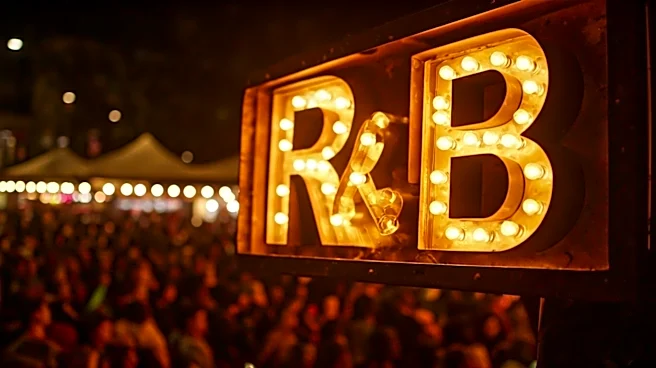
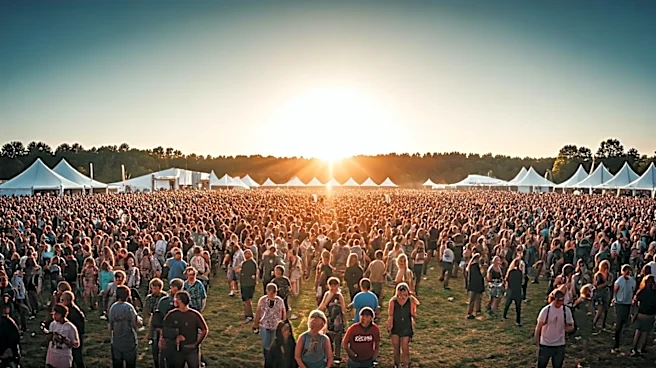
What is now the largest celebration of Black culture and music in the United States began in 1995 as a one-time event to commemorate the 25th anniversary of Essence magazine. [1, 5] The idea was to create a live extension of the magazine’s mission: to celebrate
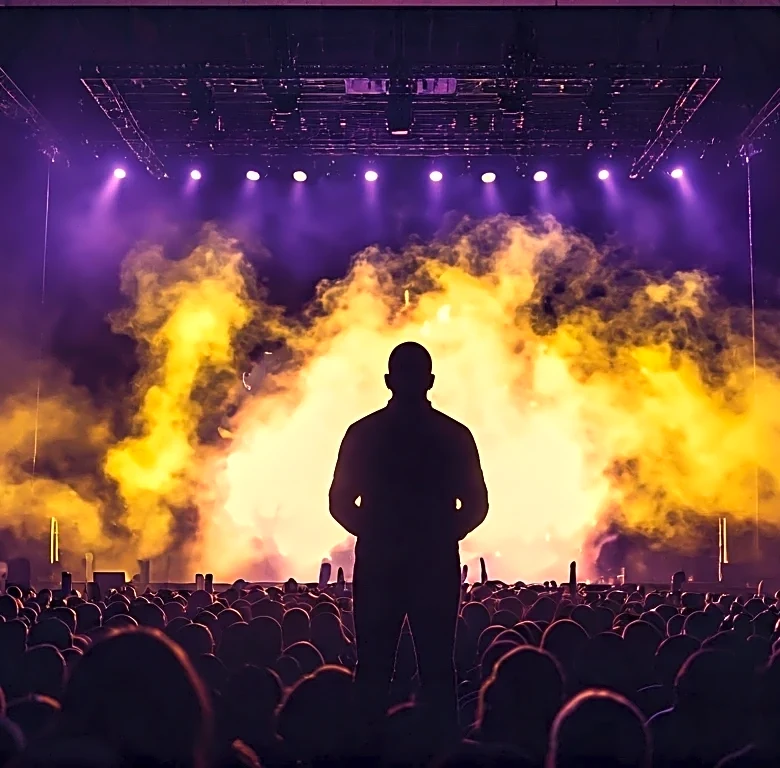
and empower Black women. [3] From its inception, the festival blended entertainment with empowerment, setting it apart from other music events. [3, 6] Held annually in New Orleans over the Fourth of July weekend, it was so well-received that it became an annual pilgrimage. [6] This dual focus on celebration and community dialogue laid the groundwork for its evolution. While the nighttime concerts at the Superdome drew the crowds, the free daytime experiences at the convention center became the festival's soul, offering panels on everything from finance to social justice. [2, 3]
The Soundtrack of Generations
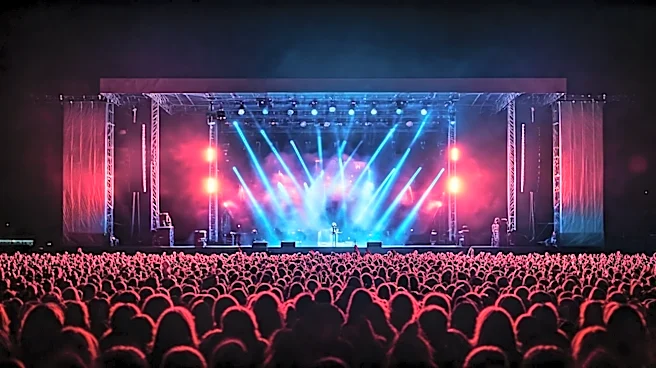
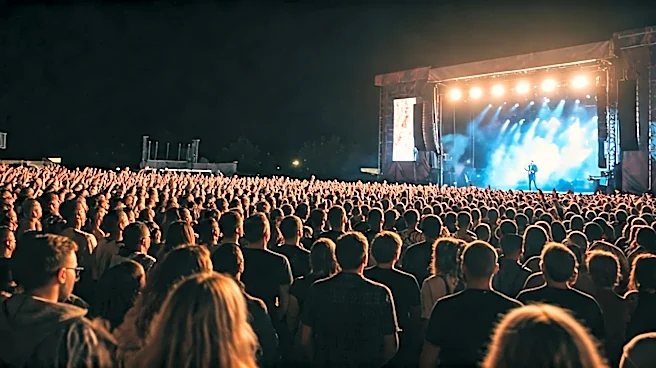
The festival’s stages function as a vibrant timeline of Black music. One night, you might see an icon like Patti LaBelle or George Clinton, and the next, a contemporary superstar like Cardi B or Latto. [2, 4] This intergenerational lineup does more than entertain; it tells a story. It connects the dots between soul, R&B, hip-hop, and gospel, showcasing the evolution of the sounds that have defined Black America. [1] The history is made on that stage. Unforgettable moments have become lore: Prince’s spellbinding 20th-anniversary performance in 2014, less than two years before his passing [10, 11]; Beyoncé’s powerful tribute to Michael Jackson in 2009 [11]; and the all-star salute to a recovering Luther Vandross in 2003. [12] These aren't just concerts; they are cultural milestones, preserving the legacy of musical giants while anointing the next generation.
A Daytime Think Tank
The “oral history” aspect of the festival truly comes alive during the day. The Ernest N. Morial Convention Center transforms into a massive public forum where the most pressing issues in Black America are discussed openly. [15] Over the years, its stages have hosted a stunning array of voices, from activists and authors to entrepreneurs and political leaders. In 2007, a then-Senator Barack Obama addressed the crowd, cementing the festival's role as a vital stop for national conversations. [10, 11] Years later, Michelle Obama would take the same stage as the Forever First Lady. [10, 12] Panels curated by thinkers like Nikole Hannah-Jones and Mara Brock Akil explore literature, history, and social justice, creating a space for intellectual engagement alongside celebration. [26] It’s where the community takes its own temperature on politics, health, and wealth. [20]
A Living, Breathing Archive
By combining these elements—the music, the conversations, the art, and the community—Essence Festival creates an annual, real-time snapshot of Black culture. It’s a space often described as a massive “family reunion,” where fellowship and connection are as important as any single performance. [7] The festival documents what Black America is listening to, thinking about, and fighting for each year. It has become an institution not just for celebrating history, but for actively recording it as it happens. The visual art commissions, the author panels, the political debates, and the once-in-a-lifetime musical collaborations all contribute to this rich, informal archive. [16] It’s where history isn’t just remembered; it’s made, discussed, and passed down in person, year after year, solidifying its status as a true cultural machine.