



An Impossible Project
On paper, the film was a studio executive’s nightmare. It was a three-hour, R-rated historical drama, filmed almost entirely in black and white, about the Holocaust. Projects with this subject matter were not typically profitable. For years, Steven Spielberg
himself felt he wasn't mature enough to tackle the story, even trying to pass it to other acclaimed directors. When Universal Pictures finally greenlit the film, it was with a tight budget of just $22 million and a significant condition: Spielberg had to direct Jurassic Park first. The studio's head, Sid Sheinberg, reportedly believed that after the emotionally taxing experience of making Schindler's List, Spielberg wouldn't have the energy for a dinosaur blockbuster. The consensus was clear: this was a passion project, a bid for artistic prestige, not a commercial play.
Spielberg's Personal and Financial Gamble
The project was deeply personal for Spielberg, who reconnected with his Jewish heritage during its creation. His commitment went beyond the director's chair. Believing it would be wrong to personally profit from a story of such immense tragedy, he refused to take a salary or any back-end profits. He famously called any potential earnings "blood money." This unprecedented gesture underscored the film's mission. It wasn't just another movie; for its director, it was a moral obligation. All of Spielberg’s proceeds were instead used to establish the Survivors of the Shoah Visual History Foundation (now the USC Shoah Foundation), an organization dedicated to recording and preserving the testimonies of Holocaust survivors.
A Marketing Campaign of Reverence
Universal and Spielberg's Amblin Entertainment knew they couldn't market Schindler's List like a typical blockbuster. There were no fast-food tie-ins or flashy merchandise. The entire promotional strategy was built on reverence and quiet dignity. Instead of a wide, splashy opening, the film was given a limited platform release in December 1993, opening in just a couple dozen theaters. The studio avoided the words "marketing" or "selling," insisting the film had to speak for itself. The goal was to build momentum through critical acclaim and powerful word-of-mouth, positioning it not as entertainment, but as an essential cultural event. As the Oscar nominations approached, the screen count slowly expanded, allowing the buzz to transform into genuine audience demand.
The Results That Stunned Hollywood
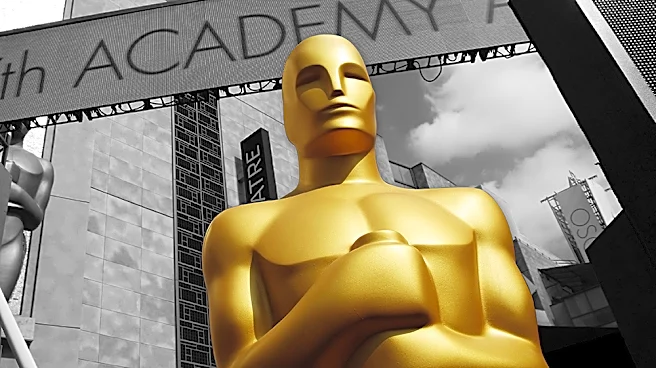
The careful strategy worked better than anyone could have imagined. Bolstered by near-universal critical acclaim and public endorsements from figures like Oprah Winfrey and President Bill Clinton, audiences flocked to see the film. It steadily climbed the box office charts week after week. That little $22 million film, the one the studio feared would be a commercial flop, went on to gross an astonishing $322.2 million worldwide. It became one of Universal's most profitable films of the era. The financial success was cemented by its awards-season dominance, where it won seven Academy Awards, including Best Picture and a long-awaited Best Director Oscar for Spielberg. It proved that a film could be both a profound work of art and a massive box office success, forever changing the industry's perception of what was commercially possible.