




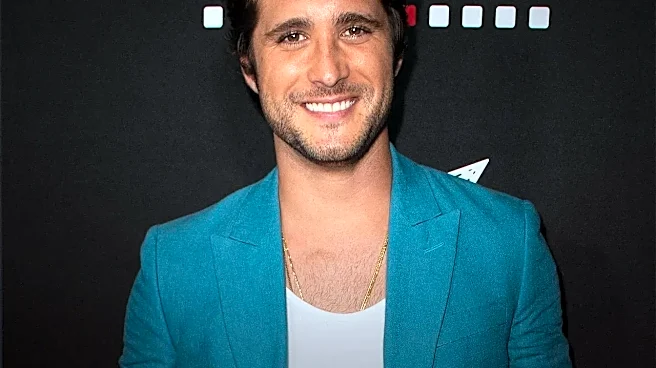
The Red Carpet Reinvention Machine
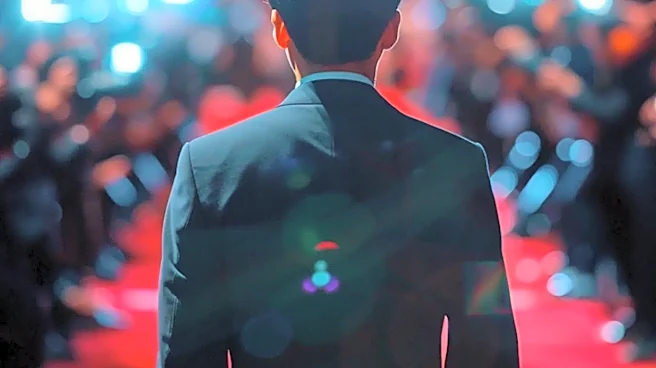
Each September, Toronto transforms into a global stage for film and fashion. For actors, the Toronto International Film Festival (TIFF) isn't just about promoting a movie; it's a marathon of premieres, parties, and press junkets, each demanding a fresh,
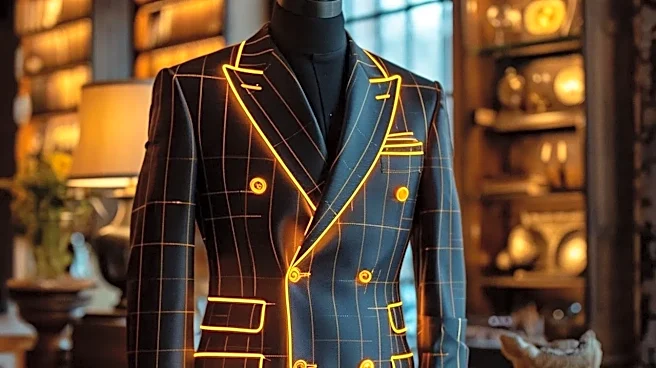
buzz-worthy look. This cycle creates an immense pressure to constantly reinvent. Stylists, designers, and public relations teams work in overdrive to craft viral moments and secure brand partnerships. The goal is often a single, show-stopping look that dominates headlines for a day before being replaced by the next. Gala events come with an expectation of glamour, with attendees often opting for evening gowns, cocktail dresses, and sharp tailoring. This relentless pursuit of newness feeds a fashion ecosystem built on fleeting trends and the idea that to remain relevant, one must always look different.
Finding an Anchor in the Style Storm
In this whirlwind of sartorial one-upmanship, some of the most enduring style icons are those who resist the urge for radical transformation. Instead, they cultivate a signature look—an aesthetic so authentic to them that it becomes their visual signature. Think of style legends known for their timeless choices or modern stars like Greta Lee and Ayo Edebiri, whose stylists focus on authenticity over trends. This approach doesn't mean wearing the same thing repeatedly; rather, it's about having a consistent point of view. It might be a preference for minimalist tailoring, a love for avant-garde silhouettes, or a commitment to specific designers. By establishing a strong personal style, a celebrity's fashion choices become less about chasing the trend of the moment and more about reinforcing their own identity. It turns the red carpet from a costume party into a platform for genuine self-expression.
Style as a Statement of Confidence
Choosing personal style over constant reinvention is, in itself, a power move. It communicates a deep sense of self-assurance. When a star knows what works for them and sticks to it, their clothing stops being the main story and becomes a complement to their presence and talent. This approach is often shaped by top-tier stylists, now sometimes called "image architects," who focus on building a long-term narrative for their clients. Their work is less about picking a pretty dress and more about curating a wardrobe that feels authentic and tells a consistent story. This shift is also inherently more sustainable. In an era of increasing awareness about fashion's environmental impact, re-wearing outfits or investing in timeless, high-quality pieces rather than disposable trends is a powerful statement. It subtly pushes back against the industry's demand for perpetual newness.
Beyond the Festival Circuit
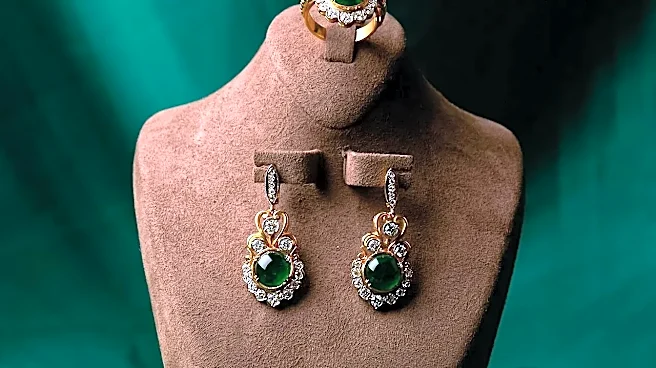
The lessons from the TIFF red carpet extend far beyond the velvet ropes of Hollywood North. The pressure to keep up with trends, to present a different version of ourselves for every occasion, is something many people feel in their own lives, amplified by social media. Developing a personal style is a way to navigate this. It starts with understanding what makes you feel confident and comfortable, and building a foundational wardrobe of versatile, timeless pieces that can be personalized with unique accessories. It's about drawing inspiration from others—be it a celebrity whose aesthetic you admire or a historical fashion movement—and adapting it to create a look that is uniquely yours. Ultimately, it’s about treating your wardrobe not as a collection of costumes, but as a curated expression of who you are.