
A Riff in the Kansas City Night
The year was 1937, and the Count Basie Orchestra was the toast of Kansas City, their sound defining a whole new style of jazz. They were broadcasting live from the Reno Club, a smoky joint where the band's
energetic, blues-drenched swing was honed nightly. They needed a new closing number, something to send the audience home buzzing. What emerged wasn't composed in a quiet studio but hammered out live on the bandstand. It was a “head arrangement,” a tune built collaboratively from riffs invented and layered by the musicians on the spot. This was the essence of the Kansas City sound: a spontaneous, riff-heavy blending of blues with big band orchestration. The band had a working title for their new jam, a moniker a bit too rough for radio broadcast.
From 'Blue Balls' to an Anthem
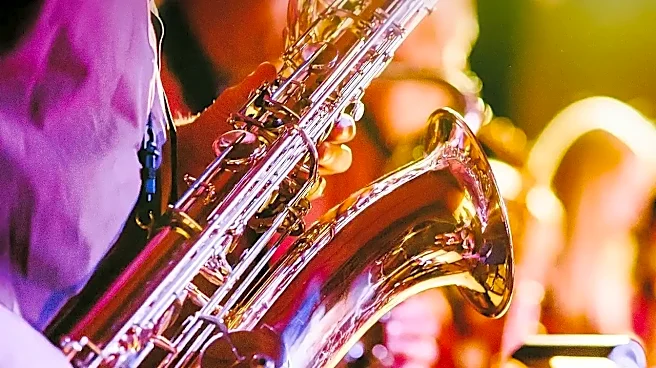
As the story goes, with the band on the air and nearing the end of their set, a nervous radio announcer asked for the name of their electrifying new song. Basie, ever cool, glanced at the clock. It was nearly 1 a.m. He supposedly replied, “We call it ‘One O’Clock Jump.’” The name stuck, and a jazz anthem was officially born. The tune, built on a simple 12-bar blues progression, was an instant sensation. It was the perfect vehicle for the band's powerhouse soloists, including the legendary tenor saxophonists Lester Young and Herschel Evans, whose famous “tenor battles” became a highlight of the performance. The song's infectious energy captured the spirit of the Swing Era, and it quickly became the Basie Orchestra’s signature theme, a number they would play for the next 50 years.
A Lifetime of 'Defense'
So why would Basie need to “defend” such a beloved hit? The defense wasn’t against critics; it was about authorship. In the collaborative chaos of a head arrangement, who truly owns the song? While Basie’s minimalist piano opens the piece and his leadership structured the final product, many of the key riffs were contributed by his bandmates. Arranger Eddie Durham and saxophonist Buster Smith are often cited as having a significant hand in its creation, and a concluding riff was famously borrowed from a Fats Waller tune. But in the music business of the era, the bandleader often received sole credit and, more importantly, the royalties. Basie’s name went on the copyright, a common practice that nonetheless created tension. His “defense” was a lifelong acknowledgment of this complex reality—justifying his ownership of a masterpiece that was, in truth, born from the collective genius of his entire orchestra.
The Legacy of the Jump
The story of “One O’Clock Jump” is more than just jazz lore; it’s a perfect snapshot of the music's creative process. It embodies the spontaneous, collaborative, and sometimes contentious spirit of the big band era. The song itself never became a stuffy museum piece; Basie and his orchestra constantly re-invented it, using it as a living showcase for the evolving talent within the band. It cemented the reputation of the “All-American Rhythm Section”—Basie’s quartet of piano, guitar, bass, and drums—as the swingingest foundation in jazz. The song's enduring power lies in this paradox: a tune so simple anyone could feel it, yet born from a complex web of collaboration and business that required a lifetime of patient explanation from the man whose name was on the label.