




The 'Greatest Hits' Marathon
Let’s start with the most liberating truth: not all sequels are created equal. Many horror franchises suffer from diminishing returns, with convoluted plots and forgettable entries bogging down the timeline. The 'greatest hits' approach is your ticket
to a killer movie night without the filler. Take the 'Halloween' franchise, which has no fewer than five separate timelines. Instead of trying to connect the dots between 'The Curse of Michael Myers' and 'Resurrection', just watch the certified bangers. Pair John Carpenter’s original 1978 masterpiece with the lean, effective 2018 reboot. You get a perfect two-part story about Laurie Strode’s definitive battle with Michael Myers, skipping all the messy cults and confusing family ties in between. This method works for nearly any long-running series. For 'A Nightmare on Elm Street', you can’t go wrong with the original, 'Dream Warriors', and 'New Nightmare'. You get the terrifying introduction, the fan-favorite ensemble sequel, and the meta-commentary, all without needing to remember what happened in 'Freddy's Dead'.
The Thematic Double Feature
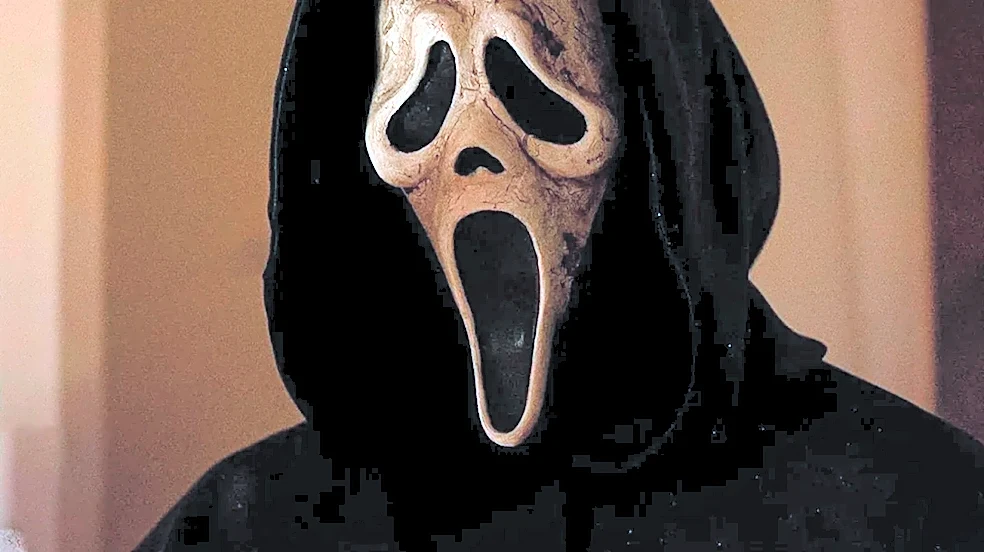
Instead of sticking to one franchise, build a night around a specific theme or idea. This lets you curate a playlist that’s more like a conversation between films. For a 'meta-horror' night, pair Wes Craven’s 'Scream' (1996) with his own 'New Nightmare' (1994). Both films deconstruct the genre, with one dissecting slasher rules while the other pulls Freddy Krueger into the 'real' world. Another great pairing is 'Get Out' and the original 'Dawn of the Dead'. Both use horror to deliver blistering social commentary, one on race in modern America and the other on consumerism. You could also program a night around a specific aesthetic. An '80s Synth-Drenched Slasher' night might feature 'The Guest' and 'It Follows', two modern films that masterfully evoke the style of the era. By linking films by theme, you create a richer viewing experience that highlights what makes the genre so versatile.
The Character-First Arc
Sometimes, the best story within a franchise belongs to a single character, and their journey isn't always linear. A character-focused marathon allows you to trace the evolution of an icon, even if it means jumping between timelines. The most obvious choice is a Laurie Strode marathon. Start with her terrifying debut in 'Halloween' (1978), jump forward to see her as a traumatized but prepared survivor in 'Halloween H20: 20 Years Later', and then see a different take on that same trauma in 'Halloween' (2018). Each film offers a distinct portrait of the genre's most iconic 'final girl'. Likewise, you could follow Sidney Prescott’s journey through the first four 'Scream' films, watching her evolve from a victim into a hardened, self-aware hero who consistently outsmarts her attackers. This approach celebrates the resilience of these characters, creating a satisfying narrative arc that often transcends the quality of the individual movies themselves.
The 'Choose Your Own Adventure' Method
Some franchises are so messy they practically invite you to create your own canon. The 'Halloween' series is the ultimate example. You can follow the original path that reveals Laurie is Michael's sister, which includes 'Halloween II' (1981) and the Jamie Lloyd saga in parts 4-6. Or you can pretend those never happened and follow the 'H20' timeline, which only acknowledges the first two films. Then there's the most recent trilogy, which ignores everything after the 1978 original. This 'choose your own adventure' quality is a feature, not a bug. It allows fans to pick the version of the story they find most compelling. You can decide for yourself if Michael Myers is a supernatural being controlled by a cult or just an unnervingly persistent man in a mask. The remote is in your hands, and so is the power to define the story.