




The Dream: A Perfectly Democratic Design
On one side of the argument are designers who champion the pursuit of a universally flattering garment. Their philosophy is rooted in creating a go-to piece that removes the guesswork for the consumer. They focus on specific elements that tend to work across
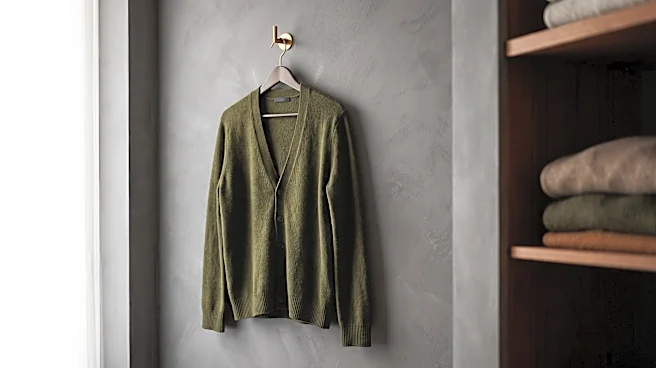
a range of body shapes: open-front styles that create a long vertical line, mid-lengths that don't cut the body at an awkward point, and fabrics with elegant drape like merino wool or soft cotton blends. Proponents believe that by focusing on a relaxed but not sloppy silhouette, strategic necklines like a V-neck, and neutral button placement, it's possible to design a cardigan that feels inclusive and looks intentional on most people. The goal isn't a magical one-size-fits-all garment, but a single, thoughtful design available in a full size run that's been engineered for maximum flattery.
The Reality: A Problem of Proportions
On the other side are the pragmatists who argue that a truly universal fit is a myth. These designers point out that human bodies don't just vary in size; they vary in proportion. Two people who wear the same size can have vastly different shoulder widths, torso lengths, and bust-to-hip ratios. For them, the most critical element for a good fit is the shoulder seam, which dictates how the entire garment hangs. A design that fits a person with narrow shoulders will feel restrictive on someone with a broader frame. Likewise, a length that's perfect on a tall person might overwhelm a petite frame. These skeptics argue that trying to create one perfect style is a flawed goal. Instead, they advocate for offering a variety of styles—cropped, longline, belted, and oversized—so that consumers can choose the silhouette that best honors their individual shape.
The Fabric and Grading Challenge
The disagreement isn't just about silhouette; it's also about the technical details. A chunky knit behaves completely differently from a fine-gauge cashmere. The former can add bulk, while the latter drapes and clings. A designer might create what they believe is a perfect universal shape in one fabric, only to find it fails completely in another. Furthermore, the process of 'grading'—scaling a base size up or down—is far more complex than many realize. You can't simply make every measurement bigger proportionally. Bodies don't scale up evenly; a larger size often requires different shaping for the bust, arms, and hips to ensure the garment is both comfortable and aesthetically pleasing. Many designers argue that doing this well requires specialized expertise and significant investment, which is a major barrier for many brands.
Business vs. Inclusivity
Ultimately, the debate is also shaped by commercial realities. From a business perspective, creating a single "hero" cardigan that sells in massive quantities is incredibly efficient. It simplifies marketing, production, and inventory management. However, critics argue this approach often leads to the problematic "one-size-fits-most" model, which excludes many consumers and promotes a narrow standard of beauty. Truly inclusive design, which involves developing multiple fits and extensive size ranges, is more expensive and logistically complex. While more brands are recognizing that size inclusivity is not only the right thing to do but also good business, the financial and creative investment remains a significant point of contention. The disagreement among designers often mirrors this tension between the ideal of universal appeal and the practical, nuanced work of true inclusivity.