


Beyond the Spectacle
At its core, Paris Men’s Fashion Week isn't just a parade of clothes you'd never wear; it's a massive, high-stakes trade show. For about a week, designers present their collections for the upcoming season to a global audience of buyers, editors, and influencers.
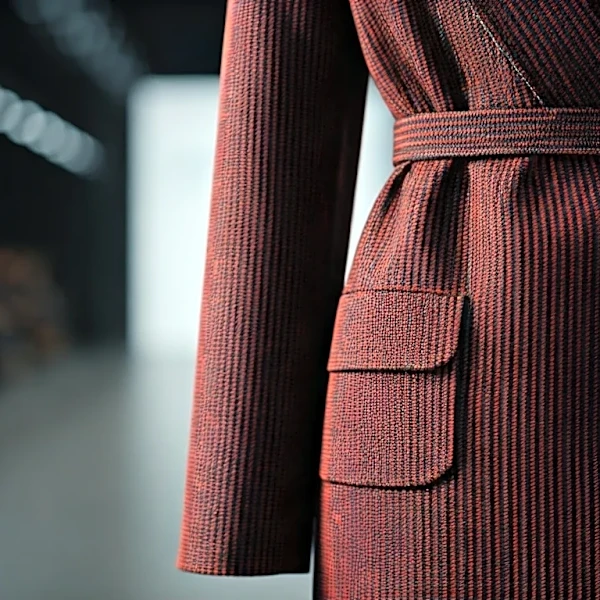
[20, 21] These are the people who decide which ideas, silhouettes, and colors will eventually make their way into department stores, boutiques, and fast-fashion chains. The goal is to showcase creativity and set the industry's direction. [20] Think of it less as a literal prescription for what to wear and more as a laboratory where new concepts are tested. The often-theatrical runway shows are designed to create a mood and communicate a big idea, which then gets translated into more wearable forms.
How Runway Looks Reach Your Wardrobe
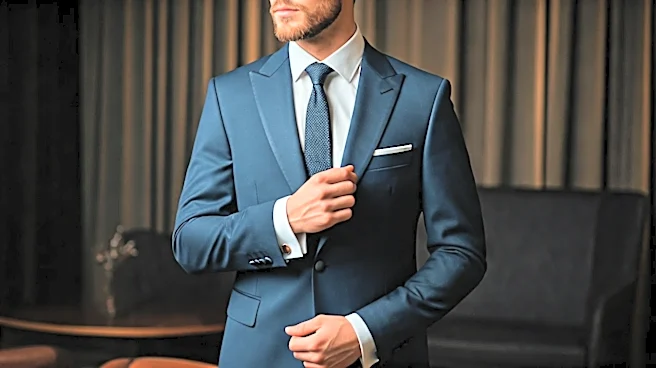
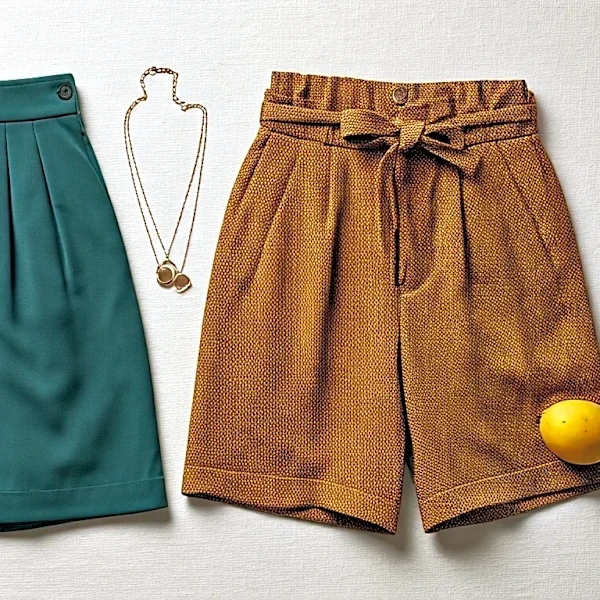
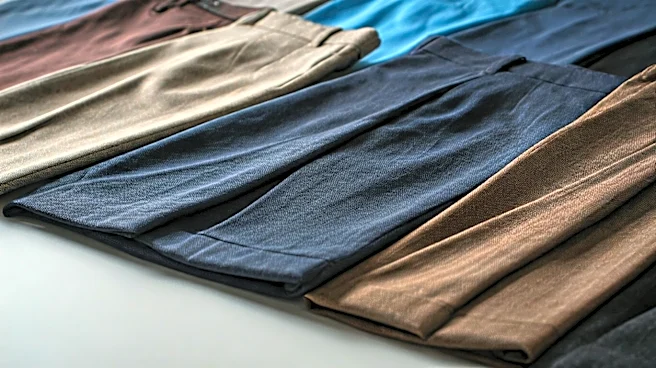
That avant-garde jacket with three sleeves might never appear at your local mall, but its influence will. The fashion industry operates on a trickle-down effect. [21] A designer might introduce a specific shade of green, an unusually wide-leg trouser, or a particular type of fabric. Style leaders and celebrities adopt these nascent trends, signaling their importance. Soon after, mainstream brands create more accessible versions. That slouchy suiting or those skate-style sneakers seen on a Paris runway this week could inform the cut of blazers and the design of footwear you buy next year. [8] The process creates a ripple effect, where the seemingly niche ideas from high fashion eventually permeate all levels of the market, shaping what is considered fashionable and desirable. [21]
This Season's Big Conversations
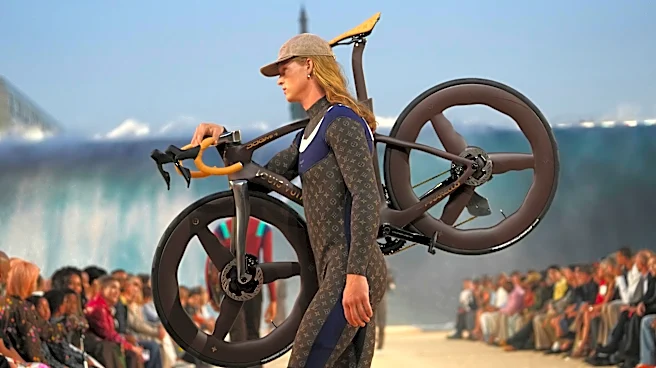
The most recent shows for the Spring/Summer 2027 season, which just wrapped, were full of telling moments. Pharrell Williams’s show for Louis Vuitton was a major highlight, transforming a Paris university lawn into a beach with a giant, misting wave as a backdrop. [2, 7, 8] The collection leaned heavily into a 'dandy surfer' aesthetic, blending surf culture—like wetsuit textures and weathered denim—with high-end tailoring. [2, 3] This points to a broader trend of mixing formal and casual wear, a theme echoed by other brands. [19] The event drew a massive celebrity crowd including Jeremy Allen White and Victor Wembanyama, confirming its status as a major cultural event. [2] Other key moments included Jonathan Anderson's highly anticipated debut at Dior and a focus on rethinking menswear staples with lighter, more fluid fabrics. [4, 5]
More Than Just Clothing
Fashion Week also serves as a cultural barometer. The themes and styles on display often reflect broader societal shifts. For instance, the blending of sportswear with traditional tailoring speaks to our increasingly hybrid work-life realities. [15, 19] Discussions around sustainability are also becoming central, with brands like Louis Vuitton highlighting environmental initiatives, such as a pledge to support reef restoration in French Polynesia. [7] The shows also explore evolving ideas of masculinity. Designers are increasingly challenging traditional male wardrobes by introducing more delicate fabrics, varied silhouettes, and a sense of playful self-expression. [15] In this way, paying attention to Fashion Week is like reading a cultural forecast, revealing not just what we'll be wearing, but also what we're thinking and valuing as a society.