

The Director's Uncanny Toolbox
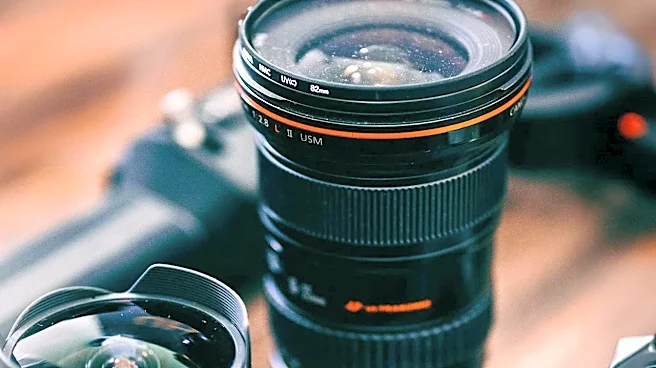
When a director wants to make you feel uneasy, they reach for a wide-angle lens. In technical terms, this is any lens with a shorter focal length than a "normal" lens, typically 35mm or less. While a normal lens approximates how our eyes see the world,
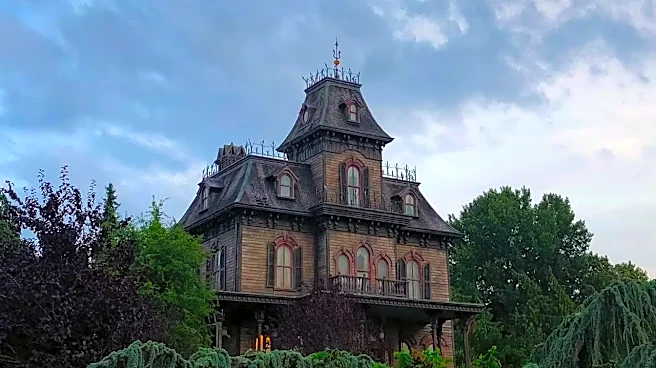
a wide-angle lens captures a much broader field of view. This simple optical difference is the key to a whole host of psychological tricks that horror creators use to build suspense and dread. The technique is a classic, used by filmmakers like Robert Wise in the 1963 original of The Haunting to specifically give the house an "unreal feeling." Its power lies in its ability to subtly manipulate our perception of space, making a familiar environment feel alien and threatening.
Distorting Reality to Create Unease
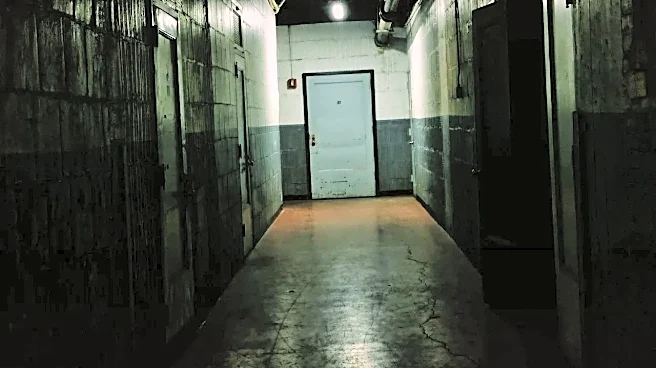
The most immediate effect of a wide-angle lens is distortion. It makes straight lines appear to curve, especially at the edges of the frame—an effect called barrel distortion. This warping of perspective makes the world on screen feel physically wrong and off-balance. Rooms can look cavernous and hallways seem to stretch into infinity, exaggerating depth and making spaces feel weirdly massive. This visual abnormality immediately signals to our brains that we are in an unnatural world, creating a baseline of tension before a single ghost appears. The architecture of the haunted house itself becomes a source of discomfort, with bulging walls and unsettling angles that defy logic.
The Dread of Deep Focus
Wide-angle lenses typically create a “deep depth of field,” meaning both the foreground and the distant background can remain in sharp focus at the same time. In a typical drama, the camera might focus on a character and blur the background, guiding your attention. But in a haunted TV show, keeping everything sharp is a powerful tool for generating paranoia. When the entire, vast room is in focus, your eyes are encouraged to wander and scan the frame, actively searching for threats lurking in the shadows or just out of sight. Shows like The Haunting of Hill House famously used this technique to hide ghostly figures in the background, training the audience to constantly be on high alert. This turns passive viewing into an active, anxious hunt.
Isolation in a Cavernous Space
By exaggerating distance, a wide-angle lens can make a character appear small, isolated, and vulnerable within their environment. A lone figure standing in a vast, distorted living room immediately communicates a sense of solitude and insignificance against the backdrop of a menacing location. The house feels overwhelmingly large, and the character seems powerless within it. This visual trick enhances the feeling of entrapment, making the character (and by extension, the viewer) feel surrounded and overwhelmed by the sheer scale of the haunted space. It transforms the setting from a mere location into an oppressive character in its own right.
Forced Intimacy and Paranoia
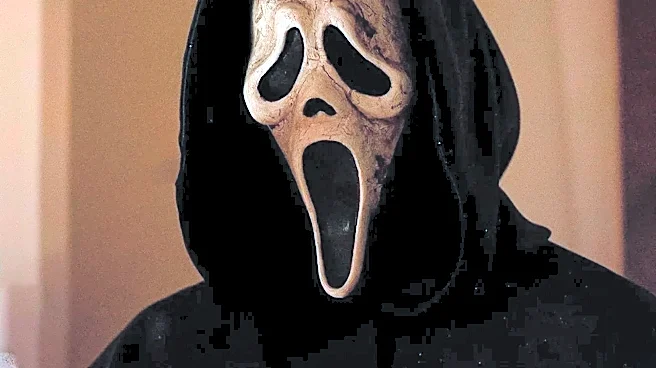
Conversely, when a wide-angle lens is used for a close-up, it creates an uncomfortably invasive and confrontational feeling. Because the lens distorts features, a face seen up close can appear slightly grotesque and exaggerated, making a familiar person seem uncanny. This technique puts the audience right in the character’s personal space, fostering a sense of involvement that can feel intense and claustrophobic. This forced intimacy can heighten a character's emotional state, whether it's fear, panic, or paranoia, making the viewing experience more immersive and unsettling. It’s as if the viewer, or some unseen entity, is breathing down their neck.