



The Magic of a Simple Cut
Before we dive into the why, let’s cover the what. A bias-cut dress is one where the fabric is cut on the diagonal grain (at a 45-degree angle) rather than along the straight grain. This technique, popularized by French couturier Madeleine Vionnet in the 1920s,
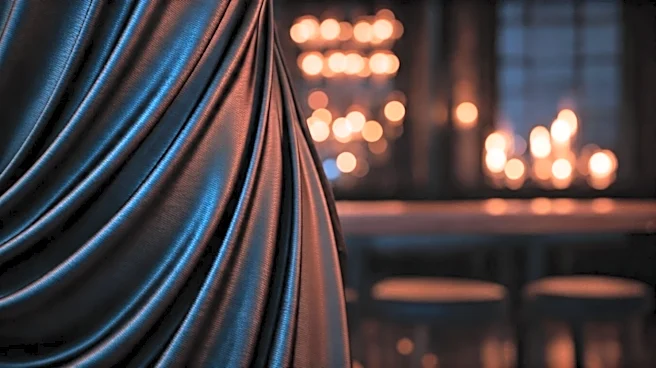
allows the fabric—typically silk, satin, or charmeuse—to drape, skim, and cling in a way that’s uniquely flattering. It doesn't pull or constrict; instead, it flows with the body, creating a fluid, serpentine silhouette. This simple shift in cutting produces a garment with natural elasticity and a liquid-like movement. It’s the difference between a dress that hangs on you and a dress that seems to melt onto you, creating an effect of effortless elegance.
A Perfect Match for the Monaco Mood
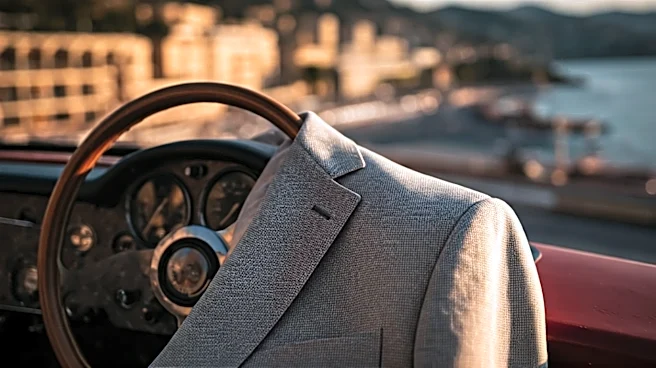
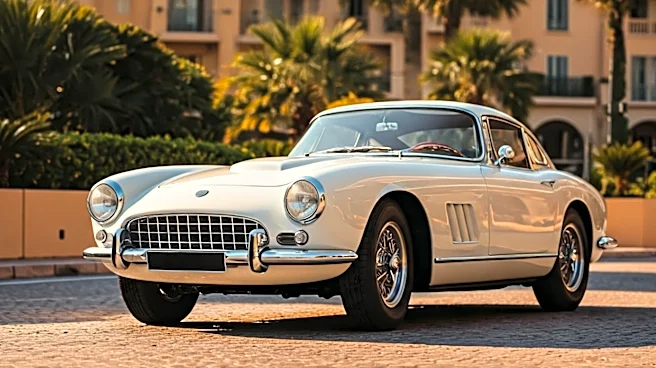
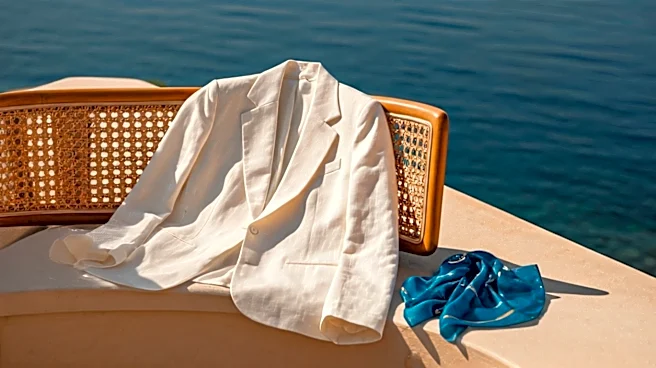
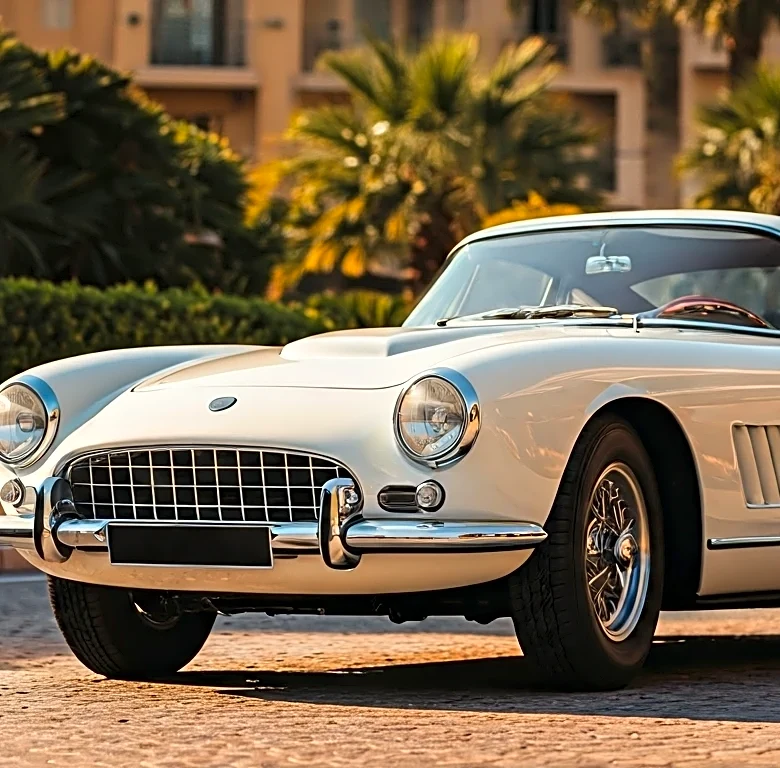
The Monaco Grand Prix isn't just a race; it's a theater of wealth, legacy, and taste. After dark, the vibe is less about the high-octane energy of Formula 1 and more about the rarefied air of the Côte d'Azur. This is where the bias-cut dress shines. Its aesthetic is one of understated, confident glamour. It doesn’t scream for attention with logos or excessive embellishments. Instead, its power lies in its perfect simplicity and luxurious fabrication. In a setting defined by “old money” aesthetics, wearing a bias-cut dress is a sartorial signal. It says you value quality and silhouette over fleeting, loud trends. It’s a dress that looks just as appropriate on the deck of a classic Riva yacht as it does at an exclusive dinner at the Hôtel de Paris Monte-Carlo. It telegraphs a relaxed, inherited sense of style—precisely the image many attendees wish to project.
The ’90s Revival and Modern Icons
While born in the ’20s, the bias cut’s modern relevance is inextricably linked to its revival in the 1990s. Think of Kate Moss in a sheer slip, Gwyneth Paltrow at the Oscars, or Carolyn Bessette-Kennedy’s iconic Narciso Rodriguez wedding gown. That minimalist, slinky, and undeniably sexy silhouette became the uniform for the cool, sophisticated modern woman. Today’s resurgence is a direct descendant of that era. As fashion cycles back to ’90s and Y2K minimalism, the bias-cut slip has returned as a staple. At recent Monaco Grand Prix weeks, we’ve seen this play out with everyone from models like Alessandra Ambrosio and Heidi Klum to a legion of influencers and society guests adopting the look. They prove the dress is not just for the waifish supermodels of yesterday; its fluid drape is surprisingly forgiving and flatters a range of body types, making it a reliable choice for a high-photograph-potential event.
The Practicality of Glamour
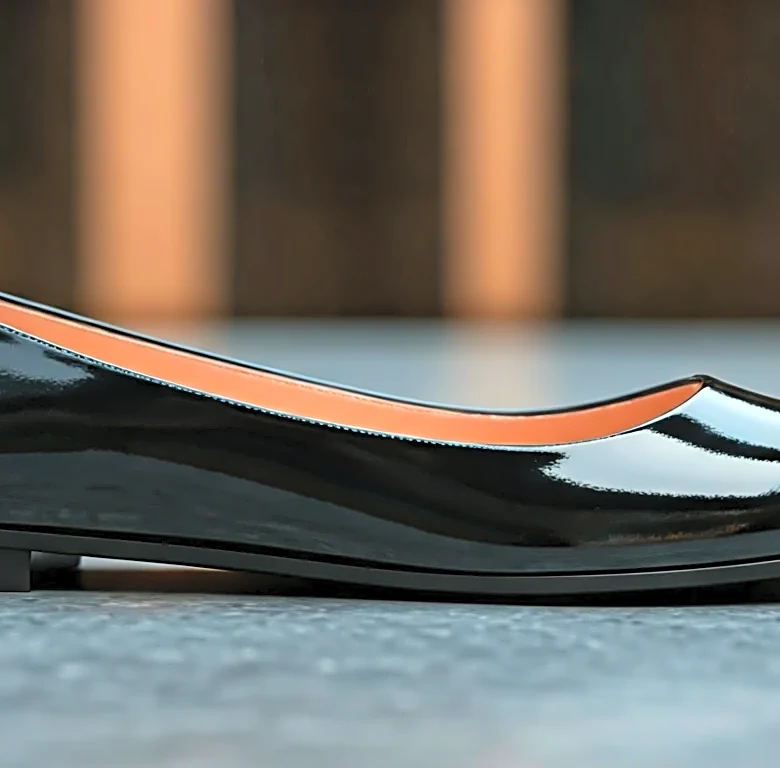
Beyond its aesthetic appeal, the bias-cut dress is also profoundly practical for an event like the Grand Prix. For the international jet set descending on the principality, packing is an art. A silk bias-cut dress rolls up to almost nothing in a suitcase, resists severe wrinkling, and can be styled up or down with ease. Throw it on with flat sandals for a late-afternoon aperitif, then swap for heels and add jewelry for an evening gala. Its versatility is its secret weapon. In the warm Mediterranean climate, the lightweight, breathable fabric is a godsend. It offers coverage without being heavy, and its inherent movement keeps the wearer cool. In a week packed with social engagements, having a beautiful, comfortable, and effortlessly chic “uniform” simplifies everything. It’s the ultimate one-and-done outfit that always looks polished, intentional, and expensive.