






The Festival Proving Ground
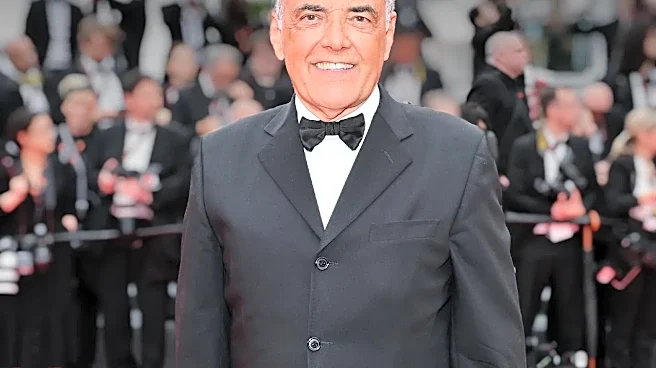
The journey from film set to Oscar stage almost always begins in the fall, at a trio of highly influential film festivals: Venice, Telluride, and Toronto. These events are the first crucial launchpads where studios unveil their most ambitious projects
to an audience of critics, industry insiders, and tastemakers. Getting selected is itself a stamp of approval, but the real test is the premiere. Within hours, a film can be anointed a masterpiece, propelled by thunderous applause and standing ovations, or quietly hobble away after a lukewarm reception. Awards like the Golden Lion in Venice or the People's Choice Award in Toronto are often powerful predictors of future Oscar nominations, turning a small indie film or a studio drama into an instant contender. This initial burst of concentrated buzz creates a powerful, self-fulfilling prophecy that can define a film's trajectory for the rest of the season.
The Power of First Reviews
Before a film reaches your local multiplex, its fate is often debated and framed by a small, select group of film critics. The first wave of reviews emerging from festival premieres can be seismic. A chorus of rave reviews from respected critics can solidify a film's status as a must-see, serious work of art. Conversely, even a handful of negative or mixed reviews can create a narrative of disappointment that's difficult to shake. This critical consensus doesn't just influence audiences; it directly impacts Academy voters. The language used—words like "masterpiece," "tour de force," or "unforgettable"—becomes part of the film's identity. This early critical framing is so powerful that the lines between genuine film analysis and awards season prognostication can become blurred, with some films seemingly assessed more for their Oscar chances than their artistic merits alone.
The Campaign Trail
Once a film has festival buzz and critical acclaim, the real campaign begins. This is where studios deploy their “For Your Consideration” (FYC) strategies, a multi-million dollar effort to keep their films top-of-mind for the thousands of Academy voters. The phrase itself, first used in advertising by RKO in 1947, is now ubiquitous in Hollywood trade publications like Variety and The Hollywood Reporter. The campaigns are a meticulously orchestrated mix of advertising, private screenings with talent Q&As, and sending DVD or digital screeners directly to voters. The goal is to build a compelling narrative not just around the film's quality, but also its cultural importance, technical innovation, or the career-defining nature of its performances. It’s a marketing push aimed at a very specific and influential audience, ensuring that voters not only see the film but are also constantly reminded of its worthiness.
The Echo Chamber of Punditry
As awards season heats up, a cottage industry of Oscar pundits and awards bloggers begins to analyze the race. These experts track the precursor awards—like the Golden Globes, Critics' Choice Awards, and various guild awards (from directors, writers, and actors)—to solidify their predictions. A win at the Screen Actors Guild Awards, for example, is often seen as a strong indicator of Oscar success in the acting categories, since actors make up the largest branch of the Academy. This constant analysis and ranking creates an echo chamber. Films that perform well in these early ceremonies are labeled “frontrunners,” gaining an aura of inevitability. This momentum can influence voters who may be swayed by the consensus or want to back a perceived winner. By the time Oscar nominations are announced, the narrative has often been repeated so many times that the final list of contenders feels less like a surprise and more like a confirmation of a story that was set in motion months earlier.