






From Nautical Knots to Noble Scarves
Before it became the uniform of '90s supermodels, the chain print had a much quieter, more aristocratic life. Its roots are intertwined with the silk scarf culture of the early 20th century, epitomized by brands like Hermès. These original prints often
drew from the world of the wealthy leisure class: equestrian gear, nautical ropes, and, yes, anchor chains. A chain motif on a scarf wasn't a loud statement; it was a coded whisper of a life spent on yachts and country estates. The links symbolized connection, strength, and the hardware of a privileged lifestyle. It was tasteful, controlled, and deeply associated with old-money aesthetics—a subtle flex for those who didn't need to shout about their status.
The Versace Explosion
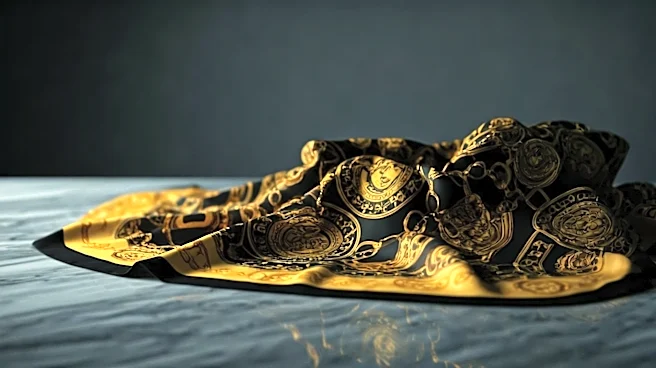
Then came Gianni Versace. In the late 1980s and early 1990s, Versace took that whisper and turned it into a roar. He wasn't interested in subtlety; he was the maestro of glorious, unapologetic excess. Versace grabbed the classic chain motif, super-sized it, drenched it in gold, and crashed it into his other signature elements: baroque curlicues, Greek keys, and the arresting gaze of the Medusa. For Versace, the chain wasn't just a nod to maritime leisure; it was a symbol of raw power, sexual liberation, and new money that wasn't afraid to be seen. Worn head-to-toe by supermodels like Naomi Campbell and Linda Evangelista, the Versace chain print became the visual soundtrack of an era. It was bold, brash, and inextricably linked to a vision of Italian glamour that was more about conquest than quiet luxury. This is the cultural memory that anchors the print in high fashion.
The 'Souvenir' Stigma
So, where did the vacation souvenir reputation come from? As with any wildly successful high-fashion trend, imitation follows. The chain print was so iconic that it was immediately knocked off, diluted, and mass-produced. Fast fashion and market stall vendors churned out oceans of cheap, poorly printed polyester shirts and scarves that mimicked the Versace vibe without any of the quality, artistry, or cultural weight. Suddenly, the print was detached from its luxurious Milanese context and became a generic symbol of “looking rich.” When you see a flimsy chain-print top at a tourist shop, you’re seeing the ghost of the trend—the result of over-saturation that eventually made the real deal feel, for a time, a little less special and a bit too loud for its own good.
A Self-Aware Modern Revival
Today, the chain print is back, but with a new intelligence. Its current revival is fueled by a potent mix of '90s nostalgia and the cyclical nature of fashion. Designers and style-savvy individuals are re-contextualizing it. Instead of a full chain-print tracksuit, you might see a single, beautifully draped silk chain-print blouse paired with minimalist tailored trousers or rugged denim. It’s about the high-low mix. Wearing it now feels like a conscious, self-aware style choice—a nod to its glamorous, over-the-top history without being consumed by it. It’s no longer about trying to look rich; it’s about appreciating a powerful piece of fashion history. It’s the difference between wearing a costume and understanding a reference, which is why it once again feels more Versace than vacation.