




The Rise of an Aspirational Mood
Before we get to its rivals, let’s revisit what made coastal grandmother so magnetic. Coined by TikTok creator Lex Nicoleta, the aesthetic isn’t about being an actual grandmother. It’s about embodying the spirit of a relaxed, successful woman living her best
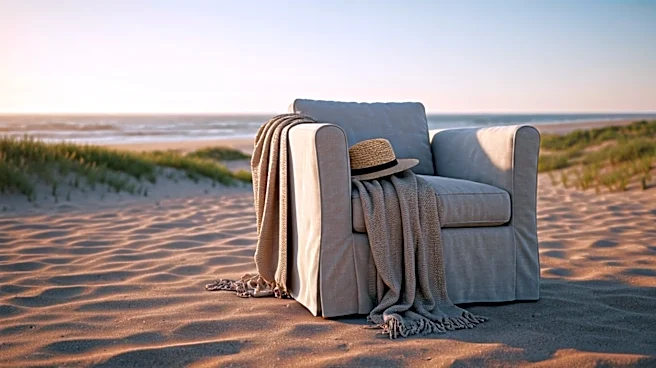
life in a Nancy Meyers film. Think Diane Keaton in “Something’s Gotta Give”—turtlenecks on the beach, white wine in the afternoon, and a wardrobe built on comfortable, high-quality basics. It’s a world of cream-colored cable-knits, breathable linen, bucket hats, and the quiet confidence that you own a beautiful, windswept home (even if you don’t). The trend exploded because it wasn't just about clothes; it was about a feeling. In a world of chaotic micro-trends and digital burnout, coastal grandmother offered an escape fantasy: a life of serene, understated, and grown-up elegance. It was less a costume and more a state of mind.
Challenger #1: The Dopamine Hit of Barbiecore
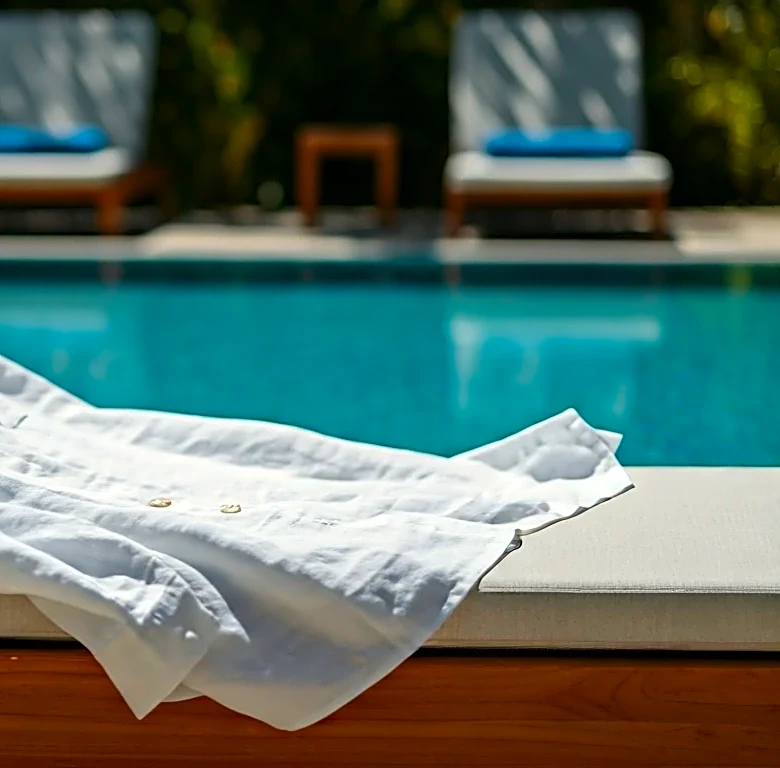
The first major threat arrived in a tidal wave of fuchsia. Fueled by Greta Gerwig’s blockbuster movie, the summer of 2023 was dominated by Barbiecore. It was everything coastal grandmother was not: loud, synthetic, ironic, and dripping in unapologetic, hyper-feminine pink. Where coastal grandmother whispered, Barbiecore screamed. The aesthetic was a joyful, maximalist sugar rush, a celebration of artifice and playful glamour. For a moment, it felt like the quiet neutrals of the coast would be washed away by hot pink platforms and plastic accessories. But Barbiecore was a party, and parties end. Its intensity was its weakness. Few could sustain that level of performative vibrancy in their daily lives. When the movie buzz faded, many found themselves returning to the comforting embrace of a simple white button-down. Barbiecore was a fantastic fling, but coastal grandmother was who you wanted to come home to.
Challenger #2: The Nostalgic Anxiety of Y2K
Running in parallel was the relentless revival of Y2K fashion. This trend, a chaotic mashup of low-rise jeans, micro-mini skirts, exposed midriffs, and trucker hats, was a direct assault on the core tenets of coastal grandmother: comfort and agelessness. Y2K style is inherently youth-focused and often unforgiving, demanding a specific body type and a tolerance for deeply impractical garments. It speaks to a very specific, often fraught, slice of millennial and Gen Z nostalgia. While it dominated social media feeds and fast-fashion racks, it excluded a huge portion of the population. Coastal grandmother, by contrast, is radically inclusive. Its loose silhouettes, classic shapes, and focus on fabric over fit work for anyone, at any age. It doesn’t ask you to relive your awkward teenage years; it invites you to step into your most confident, sophisticated self. In the end, dressing like a carefree adult proved more appealing than squeezing back into your teenage jeans.
Challenger #3: The Cold Shoulder of Quiet Luxury
Perhaps the most subtle threat was the rise of “quiet luxury.” On the surface, the two aesthetics seem related. Both prioritize high-quality materials, timelessness, and a rejection of flashy logos. But their emotional cores are miles apart. Quiet luxury, popularized by shows like *Succession*, is about stealth wealth. It’s the cashmere sweater that costs $2,000, the impeccably tailored but nondescript suit. It’s cool, urban, and carries an undercurrent of immense power and exclusivity. Coastal grandmother is its warmer, more approachable cousin. It’s aspirational, but the aspiration is for a lifestyle of ease, not a nine-figure net worth. You can find its essence at J.Crew, in a thrift store, or by simply throwing on a chambray shirt. While quiet luxury felt like a uniform for the 1%, coastal grandmother felt like an invitation for everyone else to find a little peace and elegance by the sea, real or imagined.