


The Throne and the Sermon
Every tribute show has its anchor: the foundational figure. Think of the reverence reserved for artists like Public Enemy, Queen Latifah, or Run-DMC. When these pioneers are honored or take the stage, their performance serves as a reminder of the genre's
core principles. It’s more than a history lesson; it’s a reassertion of the values they established. Their presence functions as a benchmark against which all other artists on the bill are implicitly measured. The honor they receive isn't just a lifetime achievement award; it's a confirmation of their continued authority and a statement from the culture itself, acknowledging the bedrock on which it stands.
Passing the Torch, or Just Sharing the Light?
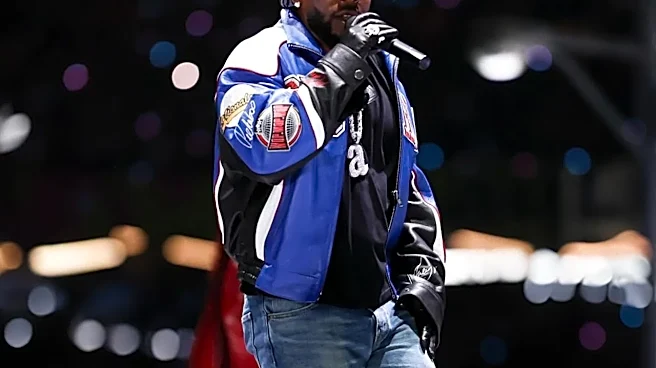
A classic element of these shows is the cross-generational collaboration. This is often framed as a symbolic “passing of the torch,” where an established icon anoints a younger artist, granting them a powerful endorsement. For instance, when a contemporary giant like Kendrick Lamar shares a stage with a newer rapper, it’s seen as a major co-sign, capable of elevating a career. But this interaction is more complex than a simple handover. It’s a negotiation. The established artist reinforces their status as a kingmaker, while the younger artist gains legitimacy. This dynamic is central to hip hop, a culture obsessed with lineage and authenticity. These moments are curated to show a healthy, evolving ecosystem, but they also subtly enforce a hierarchy.
The Disruptors in the Building
Conversely, these shows often feature today’s chart-dominating, sometimes controversial, stars whose sound may seem at odds with the “golden age” aesthetic. Their inclusion is a nod to commercial power and contemporary relevance. It’s also where the conversation about authority becomes most visible. Does the raw lyricism of a cypher veteran hold more cultural weight than the viral artist with billions of streams? Award shows like the BET Hip Hop Awards historically used cyphers to test an emcee's purest skills, creating a clear battleground for lyrical supremacy. When a new-wave artist performs, their presence asks a crucial question: What defines hip hop's authority today—technical skill, cultural impact, or market dominance?
The Unseen Hand of the Curator
Ultimately, the producers and curators of these events are the true power brokers. The choice of honorees, the sequence of performances, and the featured collaborations are all deliberate storytelling choices. A show honoring the women of hip hop, for example, makes a powerful statement about a genre often criticized as male-dominated. Grand, sweeping tributes like the 50th Anniversary of Hip-Hop performance at the Grammys, curated by Questlove, are designed to present a unified history, connecting pioneers like Grandmaster Flash with modern stars like GloRilla. This isn't just scheduling; it's the construction of a narrative. The entire show becomes a curated statement on who matters, whose legacy is worth preserving, and who is shaping the future.