
The Broadcast TV Campfire
Before you could program your own scares, television networks did it for you. For decades, the groundwork for October horror viewing was laid by local TV horror hosts and annual broadcast events. Cable channels later turned this into a science. AMC's
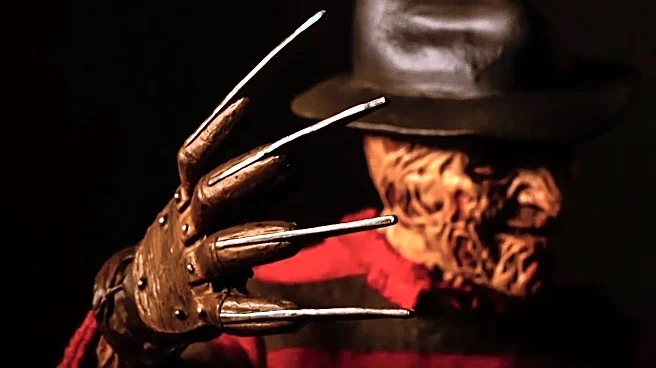
"FearFest," which began as "Monsterfest" in the 90s, became a cornerstone of the season, offering a curated lineup of classic slashers and monster movies. Programs like Syfy's "31 Days of Halloween" further cemented the idea that October was a month-long celebration, not just a single night. These televised marathons were the original shared experience, a virtual campfire where millions tuned in to watch Michael Myers or Freddy Krueger simultaneously, creating a sense of community around the genre.
The Home Video Revolution
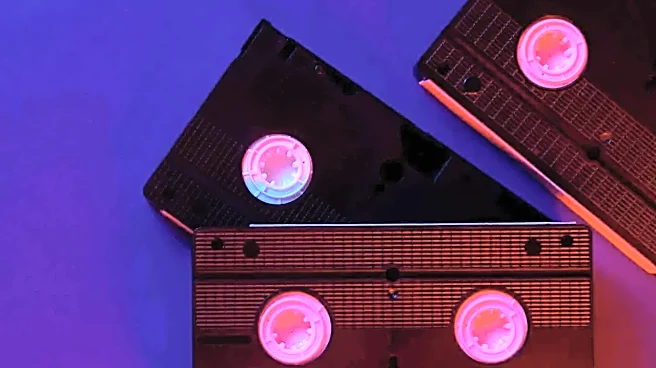
The advent of VHS tapes, and later DVDs, was a game-changer. Suddenly, horror fans weren't just passive viewers; they were curators. The video store became a treasure trove, allowing fans to finally see movies that had short theatrical runs or were deemed too controversial for TV. This newfound access gave horror films an 'immortality' they never had before, building cult followings for movies that might have otherwise disappeared. Fans could now create their own personalized marathons, stacking up their favorite slasher sequels or exploring obscure subgenres. The ability to rewind and re-watch a particularly gruesome effect or shocking twist turned viewing into an active, obsessive hobby. Home video empowered the individual, transforming a broadcast event into a personal ritual.
The Streaming Service Buffet
If home video gave fans control, streaming services offered near-infinite choice. The rise of Netflix, followed by horror-specific platforms like Shudder, eliminated the last remaining barriers: physical media and limited selection. Now, thousands of horror titles—from iconic blockbusters to indie gems—are available on demand. This digital accessibility supercharged the marathon concept. You no longer needed to own the movie or wait for it to air on TV; you could simply press play. Streaming services actively lean into the October tradition, curating collections and promoting "31 Days of Halloween" watch lists that make participation easier than ever for both seasoned horror buffs and curious newcomers.
The Social Media Connection
The final ingredient that created the modern horror marathon was community. Social media platforms transformed a personal hobby into a global, interactive event. Hashtags like #31DaysofHorror, #HorrorMovieChallenge, and #SpookySzn connect thousands of fans who share their daily movie picks, reviews, and reactions on sites like Twitter, Instagram, and Letterboxd. This online conversation became the new virtual campfire, replacing the shared experience of broadcast television with something more active and participatory. Seeing others share their lists and discoveries creates a sense of friendly competition and camaraderie, encouraging more people to join in. The marathon is no longer just about watching movies; it's about sharing the experience with a worldwide community of fellow fans.