





The Shared Origin: 100% Silk
Before we get into the differences, let's start with what makes them the same. Both silk twill and silk satin begin their life as a natural protein fiber spun by silkworms. This shared DNA means both fabrics inherit silk's foundational qualities: they
are breathable, surprisingly strong, and have a beautiful way of taking dye. But the moment those precious threads head to the loom, their paths diverge completely. The distinction between twill and satin isn't about the material itself, but the method of construction—the weave.
The Weaver's Craft: Diagonal vs. Float
The core difference lies in the weaving pattern. Silk twill is made using a twill weave, which creates a distinct, fine diagonal rib pattern on the fabric's surface. Think of the subtle texture on a pair of denim jeans—that’s a form of twill. This structure is created by passing a weft (horizontal) thread over one or more warp (vertical) threads and then under two or more, with the pattern stepping over by one thread in each row to create that diagonal line. Silk satin, on the other hand, uses a satin weave. This technique involves “floating” a warp thread over four or more weft threads. This long float is what minimizes intersections in the fabric, creating a surface that is exceptionally smooth and unbroken, which is key to its signature shine. This difference in construction is responsible for every other distinction between the two, from how they look to how they wear.
The Look: Understated Luster vs. Liquid Shine
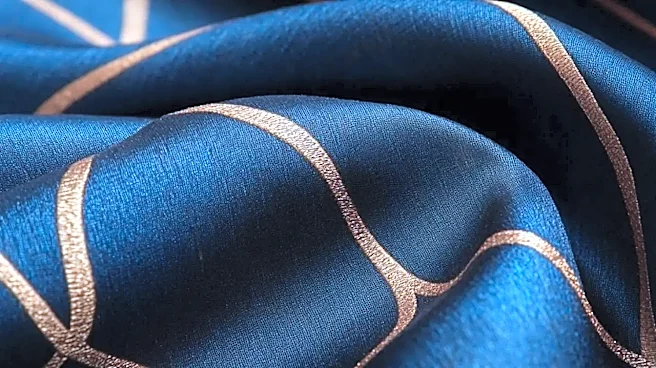
The most immediate difference is visual. Silk twill has a more matte or semi-matte finish. The diagonal weave scatters light, giving it a soft, sophisticated luster rather than a high-impact gloss. Its visible texture adds a layer of visual interest and depth. Silk satin is all about the shine. The smooth surface created by the floating threads acts like a tiny mirror, reflecting light to produce a brilliant, almost liquid-like gloss on one side of the fabric. The reverse side is typically dull. If you’re looking for high drama and glamour, satin delivers it in spades.
The Feel & Drape: Structured vs. Fluid
How a fabric hangs and moves is called its drape, and here again, the weave is everything. Silk twill has more body and structure. It’s soft but not limp, allowing it to hold a shape beautifully. This is why luxury brands like Hermès use it for their iconic carré scarves; it can be folded, knotted, and tied while retaining a clean, defined shape. Silk satin is the opposite. It is prized for its fluid, slinky drape that clings and flows gracefully around the body. Its smoothness gives it an almost slippery feel, which is why it’s a favorite for lingerie, sleepwear, and elegant evening gowns where movement is part of the allure.
The Practical Side: Durability and Use
When it comes to everyday life, twill has a distinct advantage. The tight, diagonal structure makes it more durable, resistant to snags, and less prone to wrinkling. The textured surface is also more forgiving, helping to hide minor stains or water marks. This makes twill an excellent choice for items that see regular use, like scarves, ties, and tailored blouses. Satin’s beautiful long floats are also its Achilles' heel. That smooth surface is more delicate and susceptible to snagging on jewelry or rough surfaces. Because of its delicate nature, satin is often reserved for special occasion garments, eveningwear, and luxury bedding or pillowcases where its frictionless surface is a benefit for skin and hair.