





Myth: Gamine Means Dressing Like a Child
Let's clear this up first: the word “gamine” has French origins, often historically used to describe a waifish, boyish, or playfully mischievous young woman. In the context of Kibbe, however, it does not mean your style inspiration should be a children's
clothing catalog. The Gamine family is defined by a combination of yin (soft/small) and yang (sharp/long) features in one body. This creates a unique mix of opposites. For Flamboyant Gamines (FG), this translates to a petite frame (yin) that also has sharp, angular bone structure and a potentially leggy appearance (yang). The goal isn't to look juvenile, but to honor this energetic juxtaposition with clothes that have a similar spirit—think broken lines, sharp details, and dynamic shapes. It’s more “sassy chic” than simply “cute.”
Myth: Flamboyant Means Only Loud, Crazy Outfits
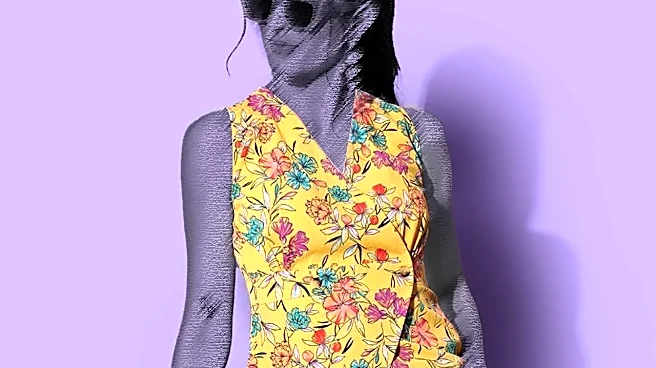
The word “flamboyant” conjures images of wild prints and clashing, neon colors, and while an FG can pull those off, it’s not a requirement. In Kibbe terms, “Flamboyant” denotes an extra dose of Yang (sharpness, angularity) on top of the base Gamine combination. Think of it as adding a dash of Dramatic to the Gamine mix. This means FGs thrive in sharp, geometric, and asymmetrical styles. Their lines are complemented by crisp tailoring, cropped jackets, and bold accessories. The “flamboyance” comes from the energy created by these sharp, dynamic silhouettes, not necessarily from wearing a head-to-toe leopard print suit—though, again, they could probably make it work. A simple, well-tailored but cropped blazer with sharp shoulders embodies the FG spirit more than a shapeless, flowy dress, no matter how bright the print is.
Myth: Petite Frame Equals No Curves
One of the biggest tripping points is the idea that Flamboyant Gamines are stick-straight and devoid of curves. The FG silhouette is described as straight and lean, with a boyish figure and taut flesh, but this doesn't mean they are shapeless. The key is the type of curve. Unlike the soft, rounded curves of a Romantic or the moderate curves of a Classic, an FG's shape is defined by angles. They might have a defined waist, but it will be part of an angular, tapered silhouette rather than a soft hourglass. This is a crucial distinction from their sister type, Soft Gamine, which has more yin and therefore a softer, more rounded shape. An FG's power comes from sharp, defined musculature and bone structure, not from lush softness.
Myth: Any Thin, Edgy Celebrity Is a Flamboyant Gamine
Online forums and social media are filled with lists of celebrity Flamboyant Gamines, but this often adds to the confusion. Many thin celebrities with an “edgy” personal style are mistakenly typed as FG. People often see a slender build that isn't toweringly tall and default to Flamboyant Gamine, conflating thinness with the Kibbe concept of "petite." However, Kibbe's system is about overall bone structure and flesh, not weight or personal taste in fashion. David Kibbe's own verified examples, like Liza Minnelli, show a specific kind of dynamic, compact power. Relying too heavily on mis-typed celebrities can lead you down the wrong path, causing you to focus on a specific aesthetic (like 90s grunge or minimalist chic) rather than the underlying principles of honoring a sharp, compact, and energetic frame.