



Lululemon: The Brand That Started It All
You can't talk about 2010s athleisure without starting here. Lululemon took the simple yoga pant and turned it into a status symbol. With its high-quality, patented Luon fabric and a fit that felt both supportive and stylish, the brand convinced millions
that $100 leggings weren't just for the studio—they were for coffee runs, brunch, and everything in between. While its cultural dominance faced challenges, Lululemon adapted, expanding its product lines for running, training, and menswear. It remains a cornerstone of the movement it pioneered, proving that its initial blend of performance and lifestyle was more than a trend; it was a blueprint.
Nike: Tech Fleece and Sneaker Domination
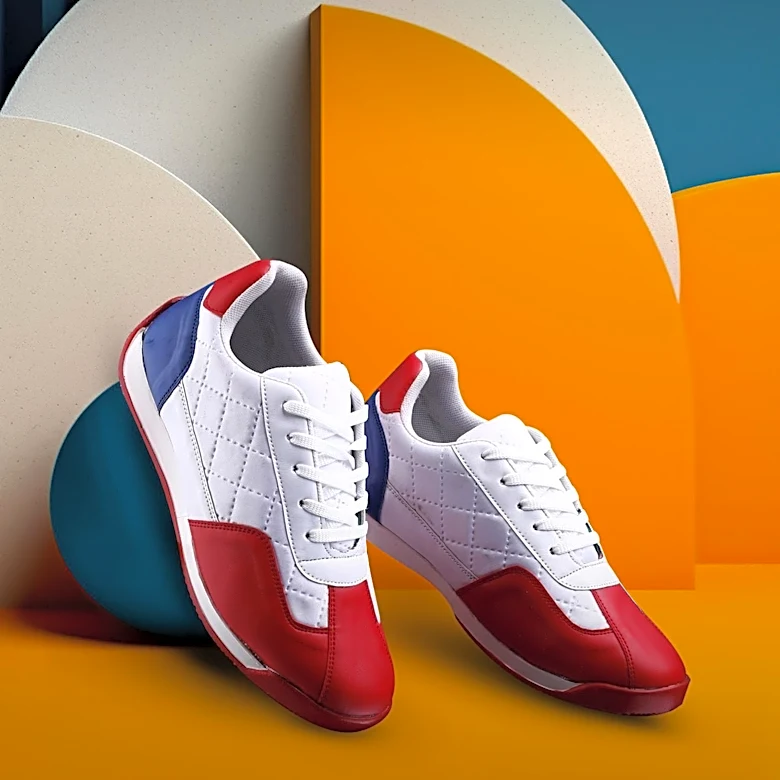
While Lululemon cornered the yoga market, Nike owned the street. The brand's 2010s genius was twofold. First, the Nike Tech Fleece jogger, which refined the sloppy sweatpant into a sleek, architectural staple. Second, the Roshe Run. Released in 2012, this minimalist, ultra-comfortable sneaker was an instant phenomenon, praised for its simple aesthetic and affordable price point. It became one of the first true lifestyle sneakers to gain popularity through social media, democratizing sneaker culture. Together, a pair of Roshes and Tech Fleece joggers became the unofficial uniform of the decade, cementing Nike's role as a master of both performance and style.
Adidas: The Retro Comeback King
No brand staged a better comeback in the 2010s than Adidas. After deliberately pulling its iconic Stan Smith sneakers from shelves in 2011, the brand orchestrated a masterful relaunch in 2014. Suddenly, the clean, white leather tennis shoe was everywhere, seen on fashion editors and celebrities alike. This success was amplified by the rise of its Superstar silhouette and, most notably, the culture-shifting collaboration with Kanye West for the Yeezy line, which debuted in 2015. By blending its rich heritage with modern hype, Adidas reminded everyone that sometimes the most futuristic trend is a perfectly executed classic.
Outdoor Voices: Making Activity Approachable
As other brands focused on elite performance, Outdoor Voices carved out a niche by celebrating everyday recreation. Founded in 2013, the brand built a cult following around its friendly mantra, "Doing Things." This wasn't about being the fastest or strongest; it was about finding joy in movement, whether that meant walking the dog or a casual hike. Their signature color-blocked leggings and approachable marketing, which featured people of all body types, offered a refreshing alternative to the high-octane messaging of competitors. Outdoor Voices proved that athleisure could be less about athletic achievement and more about a playful, active lifestyle.
Alo Yoga: The L.A. Wellness Aesthetic
Founded in 2007 but hitting its stride in the mid-2010s, Alo Yoga captured the intersection of wellness, fashion, and social media. Based in Los Angeles, the brand cultivated an aspirational, celebrity-driven image. Paparazzi shots of stars like Kendall Jenner and Hailey Bieber wearing Alo sets for coffee runs made the brand synonymous with an off-duty model look. With a more fashion-forward and sleek aesthetic than its competitors, Alo positioned itself not just as activewear, but as the uniform for a complete wellness lifestyle—from the yoga mat to a green juice run. The brand masterfully sold an entire vibe, becoming an emblem of modern L.A. cool.
Gymshark: The Influencer-Fueled Phenom
Gymshark’s rise represents the power of social media in the late 2010s. Founded in the U.K. in 2012, the brand bypassed traditional marketing almost entirely, instead building its empire on the backs of fitness influencers. By gifting apparel to popular YouTubers and Instagrammers, Gymshark created an army of authentic brand ambassadors before that was a common strategy. Its physique-enhancing seamless leggings and workout sets became the must-have items for a new generation of gym-goers who followed their favorite creators' every move. Gymshark demonstrated a new way to build a brand, proving that a loyal online community could be more powerful than any billboard.