




The Irresistible Power of Live
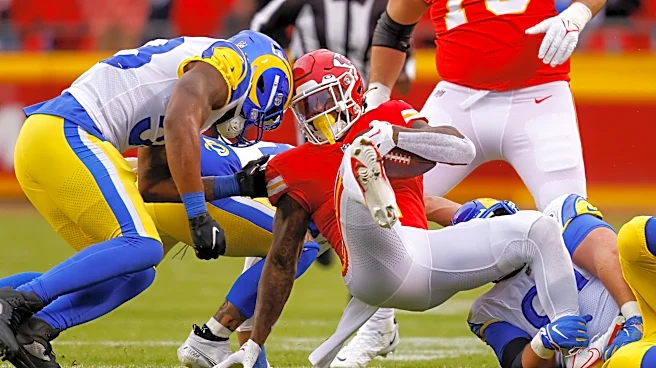
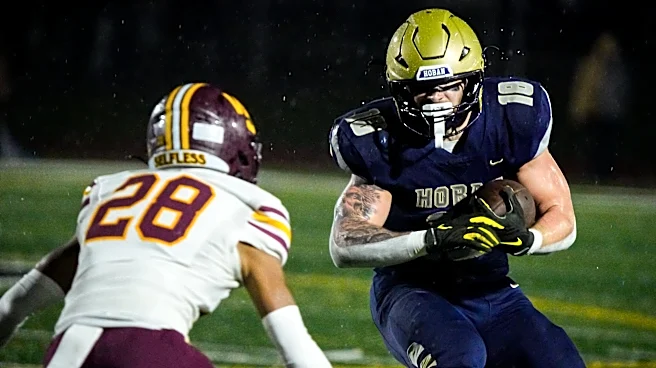
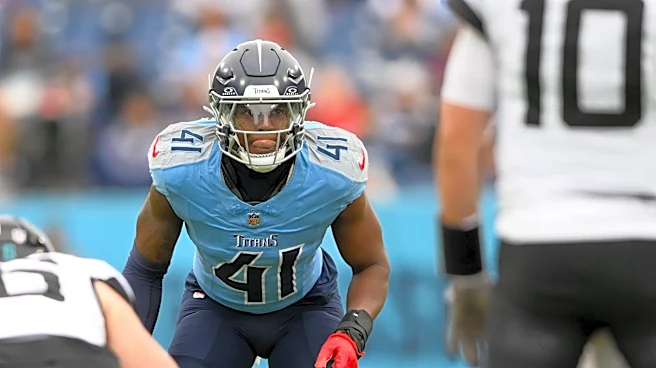
The core of cable’s enduring cultural power lies in one simple, irreplaceable concept: liveness. Live sports, breaking news, and major awards shows are the last bastions of true appointment television. They demand you show up at a specific time, not on your
own schedule. When a Premier League match goes to a stunning upset on a Sunday afternoon or a political debate delivers a moment of unscripted drama, the entire conversation happens at once. Streaming can offer a live NFL game, but the very infrastructure and history of cable are built around these synchronous events. This creates an urgency that on-demand viewing, by its very nature, is designed to eliminate. The value isn't just the content; it's the shared, simultaneous experience of it.
Streaming’s Fragmented Universe
Streaming platforms have given us a universe of choice, but in doing so, they’ve scattered the audience. While you’re starting the new season of a dense sci-fi drama, your neighbor is binging a baking competition, and your coworker is catching up on a thriller from three months ago. This creates a culture of isolated viewing. The conversations that follow are asynchronous, happening days or weeks apart and often prefaced with a cautious, "Wait, where are you in it?" This fragmentation prevents the formation of a massive, real-time cultural consensus. The algorithm, designed to serve the individual, inadvertently dismantles the collective, turning the national water cooler into millions of private coffee cups.
The Social Media Amplifier Effect
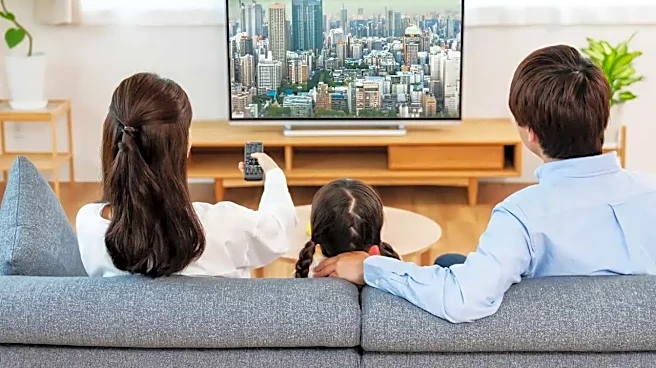
Ironically, the rise of social media has only amplified cable's unique advantage. Platforms like X (formerly Twitter), Instagram, and TikTok become national living rooms during a live event. The commentary, the memes, the instant analysis—it all hinges on everyone seeing the same thing at the same time. Trying to join the conversation hours later is like showing up to a party after it's over. While streaming services have tried to recreate this with weekly episode drops for prestige shows, it’s not the same. The window of shared relevance is wider, but it lacks the explosive, all-at-once energy of a live broadcast where anything can happen, and you have to be there to see it. That shared experience is what makes a sporting event feel like more than just a game.
More Than Just Sports and News
While sports are the clearest example, this phenomenon extends to other classic cable formats. Think of the season finale of a hit reality competition. The winner is revealed, the villain gets their comeuppance, and social media ignites with reactions. An awards show generates buzz not just from the winners but from an awkward joke, a stunning fashion choice, or a surprise presenter. These are the unplannable, unscripted moments that define our shared pop culture vocabulary. Streaming, with its focus on polished, pre-packaged seasons released all at once, smooths over these beautifully messy, real-time edges. It gives you the story, but it often misses the story around the story, which is where cultural memory is made.