






The Anxiety of the Master Plan
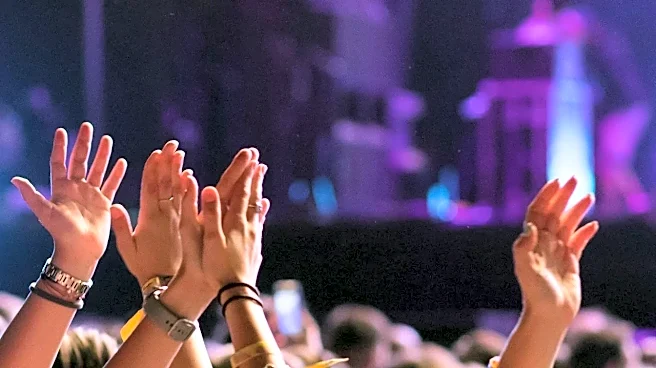
Music festivals are supposed to be an escape—a vibrant, pulsating world of sound, art, and community. Yet for many, the experience begins with stress. The culprit is often a phenomenon known as Fear of Missing Out, or FOMO. This anxiety, amplified by
social media, creates an intense pressure to do everything, see everyone, and document it all. The schedule, intended as a helpful guide, becomes a tyrannical checklist. Instead of living in the moment, you find yourself glancing at your watch, calculating the walking time between stages, and feeling a pang of regret for the set you’re missing. Researchers have found that putting a leisure activity on a strict schedule can make it feel more like work, stripping away the free-flowing enjoyment it's meant to provide. This transforms an opportunity for joy into a series of logistical hurdles, where the goal shifts from having fun to simply completing the itinerary.
When Too Many Choices Lead to None
It’s 8 p.m. and three of your favorite artists are playing at the same time on opposite ends of the festival grounds. You weigh the pros and cons, check the crowd density on the festival app, and try to make the “perfect” choice. Suddenly, 15 minutes have passed, and you’re still standing in the middle of a field, paralyzed. This is “analysis paralysis,” a state where overthinking a situation with too many options leads to inaction. When your brain is overwhelmed by choices, it can freeze, making it difficult to come to a satisfying conclusion. This decision fatigue is a real psychological burden. It drains your mental energy, leaving you feeling irritable and exhausted rather than exhilarated. Instead of confidently enjoying one performance, you’re stuck contemplating the ghosts of the shows you’re not at, which ultimately detracts from the experience you actually choose.
The Unscheduled Magic in Between
The most memorable festival moments often aren't on the official lineup. They’re the spontaneous discoveries made while wandering between stages: stumbling upon a small tent with an incredible unknown DJ, sharing a laugh with strangers while waiting in line for food, or simply finding a quiet spot to lie in the grass and watch the sky change colors. Building unstructured time into your day is not about being idle; it’s about creating space for curiosity and serendipity. Studies show that leaving leisure time open-ended, rather than rigidly scheduled, significantly increases enjoyment. These unplanned moments allow your brain to rest and recharge, reducing the mental fatigue that comes from constant decision-making and sensory overload. By letting go of the need for a rigid plan, you open yourself up to the immersive, exploratory spirit that makes festivals truly special.
A Simpler, Better Festival Strategy
So, how do you break the cycle of overscheduling and burnout? The key is to trade the completionist mindset for a mindful one. Start by picking just three non-negotiable “must-sees” for each day. This gives your day structure without overwhelming it. Everything else is a bonus. Second, intentionally schedule downtime. Block out an hour to just relax, eat a proper meal without rushing, or explore the art installations. These breaks are not wasted time; they are essential for preventing burnout and ensuring you have the physical and mental stamina to enjoy the entire event. Finally, embrace the idea of “good enough.” You don't need to have the perfect experience, just your experience. Be present for the music you're hearing right now, rather than worrying about what you're missing. Often, the best moments are the ones you didn't plan for at all.