


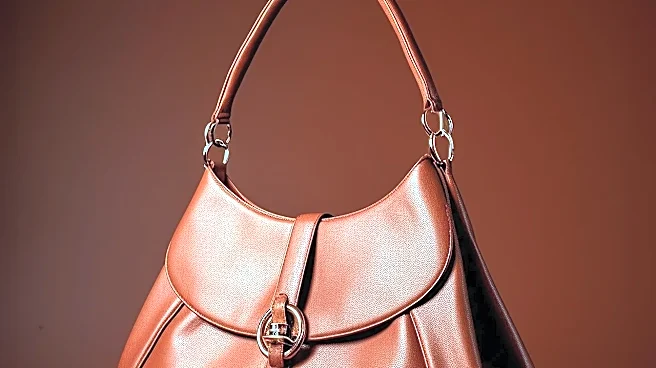
The Rise of the Silent Signature
The pendulum of luxury is swinging away from conspicuous consumption. For years, the prevailing logic was that a high price tag should come with a bold, recognizable logo—a walking advertisement for one’s spending power. But a growing appreciation for “quiet
luxury” has shifted the focus from the label on the bag to the quality of its construction. This isn't about hiding wealth, but about expressing it with intelligence and subtlety. The appeal lies in an “if you know, you know” aesthetic, where true value is recognized by those with a shared appreciation for substance over spectacle. For these consumers, a handbag, a belt, or a pair of shoes is a personal acquisition, not a public broadcast. It’s a philosophy perfectly embodied by Italy's finest artisans, who have long believed that their work should speak for itself.
Craftsmanship as the Real Status Symbol
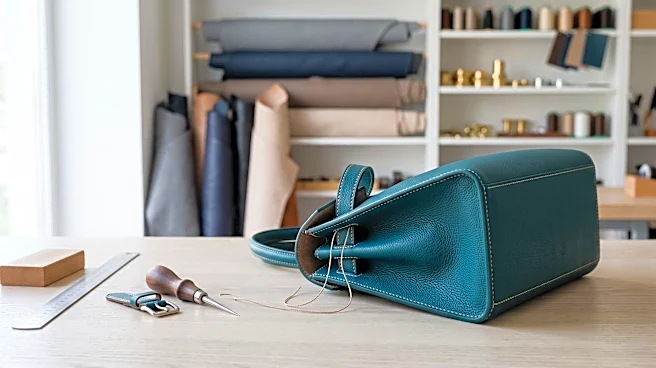
At the heart of Italian accessory design is a reverence for materials and technique. For premier brands, the craftsmanship is the logo. Think of Bottega Veneta’s iconic intrecciato weave, a technique of braiding leather that was born out of necessity in the 1960s when sewing machines in the Veneto region weren't strong enough for certain hides. That method has become an unmistakable, yet unbranded, signature. It’s a design that is instantly identifiable by its texture and artistry, requiring no flashy initials. Similarly, brands like Brunello Cucinelli have built an empire on a philosophy of “humanistic capitalism” and unparalleled quality, where the feel of the cashmere and the perfect cut of a garment are the markers of luxury, not a logo. This approach turns an accessory into a piece of art, where its value is intrinsic and its beauty is in the masterful execution.
The Effortless Grace of 'Sprezzatura'
This resistance to overt branding is deeply connected to a core Italian cultural concept: sprezzatura. Coined in the 16th century, the term describes the art of making difficult things look easy—a studied nonchalance. It’s about achieving a perfect look that appears entirely effortless. A giant, gleaming logo is the antithesis of this idea; it’s trying too hard. Sprezzatura is seen in the way an Italian might flawlessly pair a tailored suit with casual sneakers, or knot a scarf just so. It’s about confidence that comes from within, not from a brand. An accessory without a logo fits this philosophy perfectly. It complements the wearer's style without overpowering it, adding a touch of elegance that feels personal and natural rather than purchased and prescribed.
Investing in Longevity, Not a Label
Choosing an accessory for its craftsmanship rather than its logo is also a vote for longevity. Trends in branding come and go, and a bag plastered with a monogram from five years ago can feel dated. But a beautifully made leather tote, a perfectly stitched belt, or a wallet crafted from supple, full-grain hide only gets better with age. Brands like Loro Piana, known for their mastery of rare fabrics, and countless smaller, family-owned ateliers across Italy focus on creating timeless pieces. They invest in sourcing the best materials and preserving generational skills, knowing that their customer is buying an item to be used and loved for a lifetime. This is the opposite of fast fashion; it's a commitment to enduring style and a more sustainable way of thinking about what we own. The ultimate luxury, these artisans suggest, is owning something that will never go out of style.