



So, What Exactly Is a Bias Cut?
Before we dive into the history, let’s get the technical part out of the way. Most fabrics are woven with threads running vertically (the warp) and horizontally (the weft). Traditionally, patterns are cut along these straight grainlines, which provides
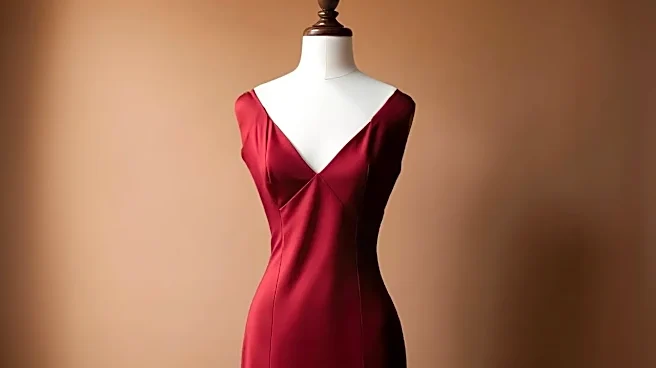
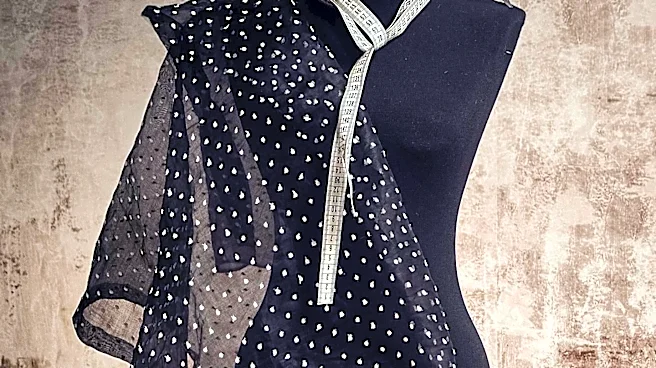
stability. The bias cut, however, involves cutting the fabric at a 45-degree angle to the grain. This simple shift is transformative. It unlocks the fabric’s natural elasticity and drape, allowing it to stretch and cling in a way that straight-cut fabric cannot. The result is a garment that moves with the body, skimming its curves rather than restricting them, creating a silhouette that feels both fluid and sensuous. It’s a technique that requires immense skill, as the fabric can warp and shift, making it difficult to cut and sew.
The Architect of Elegance: Madeleine Vionnet
While cutting on the bias existed for small details, one designer saw its potential to define an entire garment: Madeleine Vionnet. In the 1920s, as the world was shedding the rigid corsetry of the past, Vionnet began experimenting. Inspired by the free-flowing garments of ancient Greece and the modern dance of Isadora Duncan, she draped fabric directly onto mannequins instead of sketching. Through this hands-on approach, she perfected the use of the bias cut for entire dresses, creating gowns that moved like liquid. Her designs were revolutionary not just for their beauty, but for their philosophy. They liberated the female form, offering an unparalleled combination of comfort and glamour that encouraged women to move freely. Dubbed the "architect among dressmakers," Vionnet’s genius was in making complex construction appear effortlessly simple.
Hollywood’s Golden Age Adopts the Look
If Vionnet was the inventor, 1930s Hollywood was its greatest marketing engine. The bias cut became the unofficial uniform of silver screen sirens, its liquid drape and body-skimming silhouette translating beautifully on film. As the world grappled with the Great Depression, movies offered an escape into a world of glamour, and the bias-cut gown was its star. Actresses like Jean Harlow, Greta Garbo, and Carole Lombard became synonymous with the style, wearing slinky satin and silk gowns that defined an era of sensuality. The style moved fashion away from the boyish, straight lines of the 1920s flapper and reintroduced a celebration of the natural female curve, often featuring low backs and dramatic cowl necklines.
From Obscurity to a '90s Revival
After World War II, fashion shifted. Fabric rationing and the rise of more structured silhouettes, like Dior's New Look, pushed the labor-intensive bias cut to the background. But its allure never completely faded. The style saw a massive resurgence in the 1990s, championed by designers like John Galliano and Azzedine Alaïa, who openly cited Vionnet as an inspiration. This time, the bias cut took the form of the minimalist slip dress, a wardrobe staple for supermodels like Kate Moss and a symbol of '90s cool. Stripped of its 1930s high-glamour context, the '90s slip dress was versatile, embodying a more understated and modern form of elegance.
The Enduring Allure of Effortless Glamour
Today, the bias-cut dress remains a timeless fixture in fashion, from bridal boutiques to red carpets. Its staying power lies in its unique ability to be both incredibly flattering and comfortable. It highlights the body's shape without constricting it, creating a feeling of confidence and grace for the wearer. The dress moves with you, catching the light and creating a sense of drama that is both powerful and subtle. It’s a rare garment that molds to almost every body type, offering a forgiving fit that feels custom-made. Its history is woven into its very threads—a story of innovation, freedom, and the celebration of form.