


1. Building an Energy Arc, Not Just a Wall of Sound
A rookie mistake is front-loading a set with non-stop, high-energy 'bangers.' It’s exciting for ten minutes, but it leaves nowhere to go and quickly leads to audience fatigue. A veteran DJ understands the concept of the energy arc. They see their hour-long
slot as a story with a beginning, middle, and end. They might start with something groovy and atmospheric to draw you in, build tension with progressive tracks, hit a soaring peak with their biggest anthems, and then guide the crowd back down with a melodic or emotionally resonant closing track. This journey creates memorable moments and makes the peak feel earned, not just expected. It's the difference between a sprint and a perfectly paced marathon.
2. Using Silence and Space as an Instrument
At a festival defined by overwhelming sound, one of the most powerful tools is its absence. Rookies often fear silence, frantically mixing from one track's outro directly into the next's intro to avoid any 'dead air.' Veterans, however, weaponize it. They understand the dramatic impact of a long, suspenseful breakdown where the synths fade away, leaving only a haunting vocal or a simple, echoing beat. They might even cut the sound entirely for a split second before a massive drop, creating a vacuum that makes the return of the bass feel ten times more powerful. This control over 'negative space' commands the crowd's attention, forcing tens of thousands of people to hold their breath in unison.
3. 'Playing' the Production, Not Just the Decks
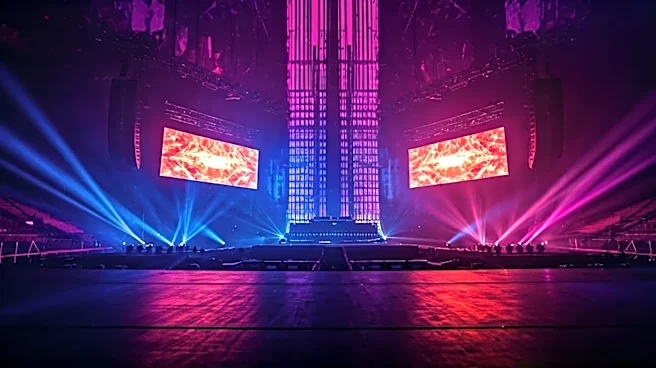
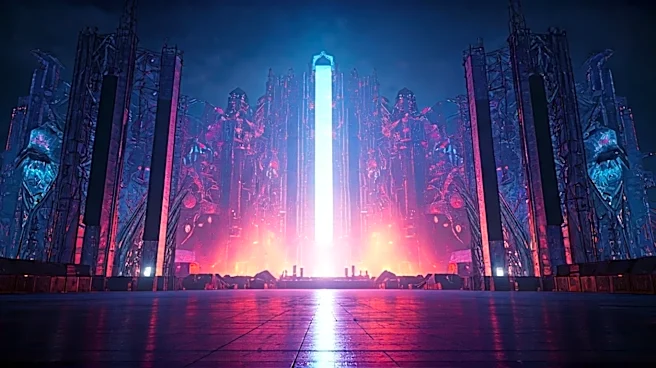
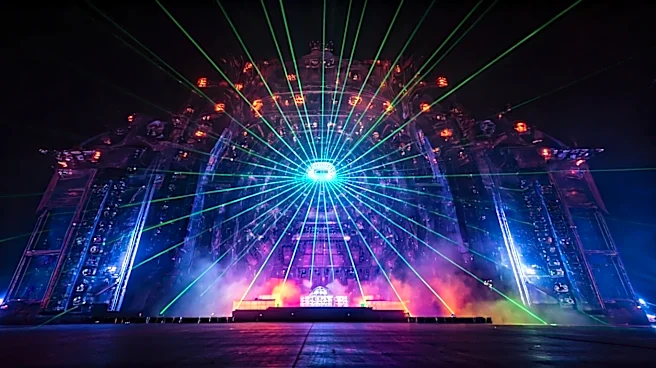
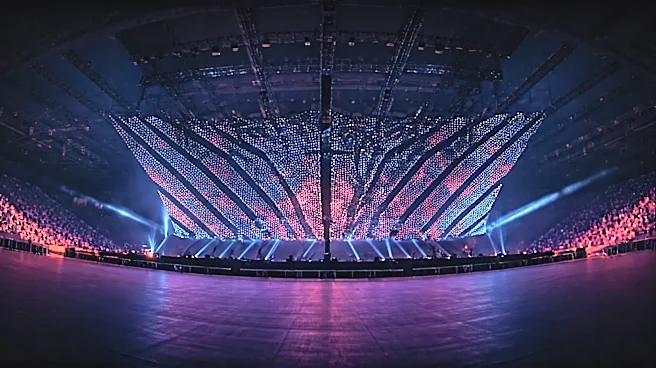
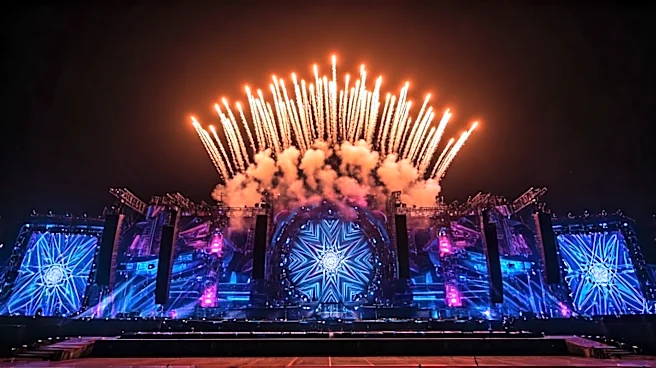
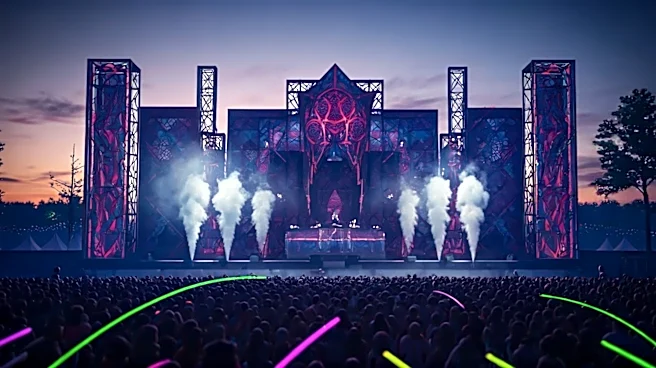
EDC’s stages are multi-million dollar production rigs with immense lighting, laser, pyrotechnic, and cryogenic systems. A rookie DJ is often a passenger, letting the production team react to their music. A veteran is a co-pilot. They or their teams work closely with the Visual and Lighting Directors (VJs and LDs) to sync specific production cues to their set. That perfectly timed blast of CO2 isn't an accident; it was planned to hit on the first beat of the drop. That firework display launching as the vocal chorus soars? Coordinated. They know when to pull back the music to let a stunning visual sequence on the LED screens have its moment. They’re not just performing on the stage; they are conducting the entire sensory experience.
4. Reading the Crowd, Not a Pre-Planned Playlist
It’s common practice for DJs to have a crate of tracks ready for a set. But a rookie often sticks to a rigid, pre-planned order, regardless of the crowd’s reaction. If a track isn't landing, they’ll awkwardly play it out. A seasoned pro is constantly reading the room. They watch for subtle shifts in energy, noticing if people are heading for the exits or if a certain sound is making the front rows go wild. This allows them to pivot in real-time. They might have five potential tracks to play next, and they’ll choose the one that best suits the immediate vibe. This improvisational skill is what creates a unique, one-of-a-kind set that feels like a conversation between the DJ and the audience, not a pre-recorded monologue.
5. The Art of the Seamless Blend
Mixing is the foundational skill of DJing, but the gap between amateur and pro is vast. A rookie mix can be jarring—clashing keys, misaligned phrases, or obvious volume adjustments that pull you out of the experience. The transitions feel like clumsy handoffs. A veteran’s blend, on the other hand, is often invisible. They use techniques like harmonic mixing (matching the musical keys of tracks) and phrase matching (aligning the structural parts of songs) to create transitions that feel like a single, evolving piece of music. The incoming track’s bassline might creep in under the outgoing track’s melody so smoothly that you don’t even realize a new song has begun until you’re already dancing to it.