
The Power of a First Glance
Before an actor says a word, their outfit has already spoken volumes. Psychologists have long understood that clothing is a primary form of non-verbal communication, shaping perceptions from the moment someone enters a room. On the red carpet, this isn't
left to chance. This year's Venice Film Festival was a prime example, serving as a high-stakes arena for crafting narratives. From established stars reinforcing their legacy to new talent vying for the spotlight, every choice is a calculated signal about status, personality, and artistic intent. It’s a silent, powerful language understood globally, where a well-chosen outfit can boost confidence and command respect.
Color as an Emotional Cue
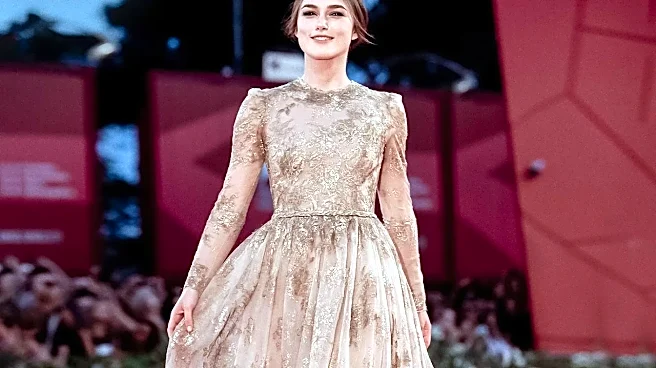
Color is one of the most direct ways to telegraph a message. At this year's festival, Claire Foy's choice of a striking, tomato-red Bottega Veneta gown with burgundy leather gloves wasn't just a bold fashion statement; it was a projection of power and confidence. Red is often associated with energy and dominance, ensuring all eyes are on the wearer. In contrast, Parker Posey’s ivory Valentino ensemble projected a sense of drama and artistic flair, a softer but equally potent statement. Meanwhile, Amal Clooney opted for a classic, sculptural black Tom Ford gown, a color choice that communicates timeless elegance, authority, and sophistication. These choices aren't accidental; they are deliberate selections meant to trigger specific psychological responses.
Silhouette and Storytelling
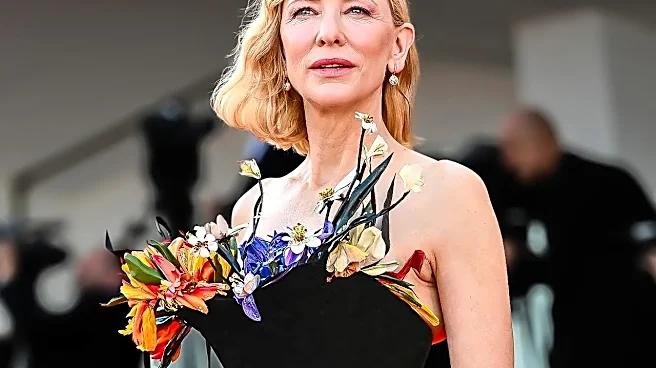
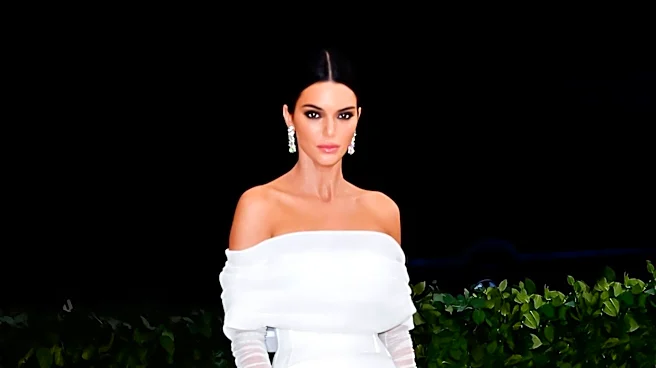
The shape of a garment tells a story. A sharp, architectural silhouette can convey strength and modernity, while a soft, flowing gown might suggest romance or accessibility. In Venice, Irina Shayk’s power dressing and Amal Clooney’s structured Tom Ford gown spoke of precision and control. On the other hand, a star promoting a period drama might choose a gown with classic, romantic proportions, like Laura Dern's 1950s-inspired Prada dress, subtly aligning their public image with their on-screen persona. Even the choice of vintage or archival pieces, like the Giorgio Armani gowns worn by Kendall Jenner and Sydney Sweeney, tells a story of appreciating history and positioning oneself within a lineage of enduring style.
The Designer as a Status Symbol
Wearing a specific designer is like name-dropping without saying a word. Aligning with an established house like Armani, Chanel, or Dior is a declaration of belonging to the industry's elite. Many stars at the 2026 festival, including Nina Dobrev, Chase Sui Wonders, and Greta Scarano, were seen in Armani, reinforcing the brand's historic connection to Hollywood glamour. When a star wears a custom creation, like Phoebe Waller-Bridge in Celine or Amal Clooney in Tom Ford, it signals an even higher level of status—a collaborative relationship with a top-tier designer who has invested in their personal brand. This choice communicates not just taste, but influence and industry clout, a crucial part of the impression-management game.