





From a TV Studio to a City Park
The story doesn't start in a sprawling field in 2002, but in a small TV studio in 1974. Austin City Limits, the PBS show, was created to showcase Austin's eclectic music scene, blending country, rock, and folk with a no-frills focus on performance. When
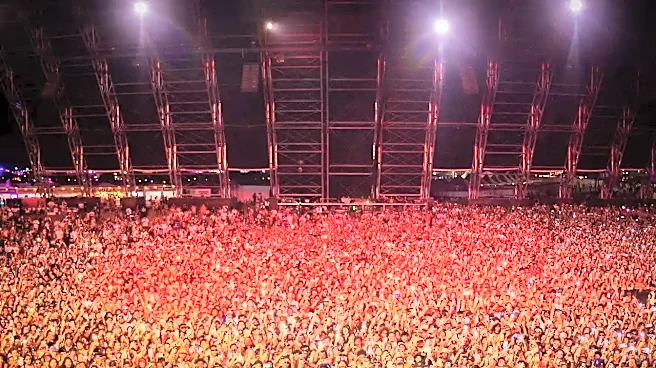
the music festival launched in 2002, it was directly inspired by this ethos. While other major festivals like Coachella were establishing themselves in remote locations, ACL took a different path. It set up shop in Zilker Park, right in the heart of Austin. This wasn't a destination event you camped at for three days; it was a festival woven into the fabric of the city. Attendees could go home at night, eat at local restaurants, and experience Austin beyond the festival gates, a model now common for city-based festivals nationwide.
The Genre-Bending Blueprint
The original TV show prided itself on musical diversity, earning the tagline “Great Music. No Limits.” It hosted everyone from Willie Nelson to B.B. King, and later, Arcade Fire and Mos Def. The festival adopted this philosophy wholeheartedly. While early Lollapalooza tours focused on alternative rock and others catered to specific niches, ACL put indie, rock, country, hip-hop, and electronic artists on the same bill from the get-go. The inaugural 2002 lineup featured acts as varied as Wilco and Gary Clark Jr. This multi-genre approach is now the industry standard. Major festivals are no longer defined by a single sound but by their ability to offer a sprawling, diverse buffet of music, a strategy ACL helped popularize for a mass audience.
More Than Just Music
Today, you expect more from a festival than just a series of concerts. You expect great food, art installations, and family-friendly zones. This, too, is part of ACL’s DNA. The festival’s “Austin Eats” food court was modeled after the New Orleans Jazz Fest, prioritizing local restaurants over generic vendors. Similarly, its art market became a core feature, showcasing local artisans. This focus on creating a holistic cultural event transformed the festival from a simple concert gathering into a multi-sensory experience. It established the idea that a festival's identity is shaped as much by its local flavor and non-musical activities as it is by its headliners. This model has been replicated globally, with ACL even launching versions in Sydney and Auckland that included the same focus on local food and art markets.
A Partnership with the City
One of ACL's most significant, if less visible, innovations is its deep, structural partnership with its host city. The festival operates in a public park and, as part of its agreement, contributes millions of dollars annually to the Austin Parks Foundation for improvements across the city. Since 2006, these contributions have totaled over $71 million. This public-private partnership model provides a powerful justification for a city to host a massive, disruptive event. It ensures the festival's legacy isn't just cultural and economic but also tangible, improving public spaces for residents year-round. This approach has provided a framework for how festivals can and should integrate with their communities, moving beyond a purely transactional relationship to a symbiotic one.