


It’s About Respect, Not Just a Resume
In hip hop, a career isn't measured in sales figures or chart positions alone; it’s measured in impact and respect. A standard video package can list accomplishments, but it can't convey the grit of an artist's come-up or the authenticity that earned
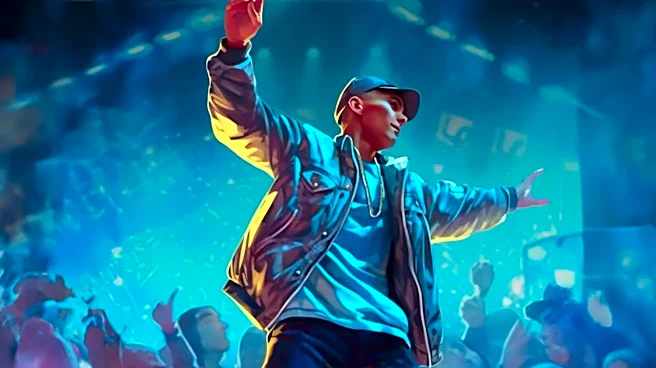
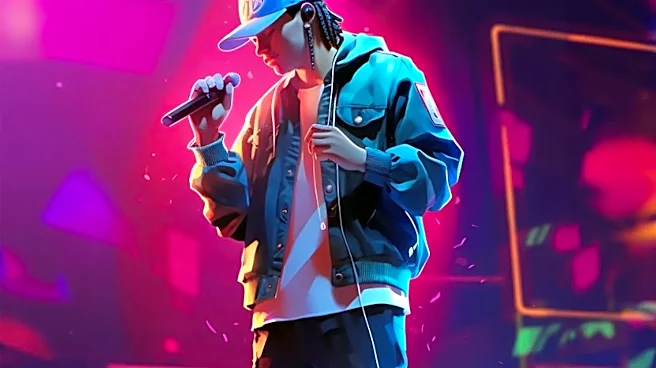
them a place in the pantheon. Hip hop culture is built on the idea of “keeping it real,” where an artist’s proximity to their roots and lived experience is their most valuable asset. Tributes in this space, therefore, have to do more than just recount a story—they have to re-embody its spirit. This is why live performances are the default. An artist's peers don't just talk about their influence; they perform their verses, channeling the energy and style that made the honoree a legend. It’s an act of active respect, a demonstration that the music is a living entity, not a museum piece.
The Power of the Posse Cut
Hip hop is fundamentally a communal culture. From the block party origins where DJs, MCs, breakers, and graffiti artists all played a role, to the modern-day posse cut, the group is as important as the individual. This translates directly to how tributes are structured. Instead of a single artist covering a song, shows like the BET Hip Hop Awards and VH1 Hip Hop Honors often feature a cypher or a medley of artists. Each performer takes a turn on the mic, offering their own interpretation of the honoree's classic verses. This format is a powerful visual and sonic metaphor for the culture itself. It says that a legend's legacy isn't a monologue; it’s a conversation that continues through the artists they inspired. This communal approach turns a tribute from a passive viewing experience into an active celebration of shared history and collective identity.
Lyrical Storytelling Trumps a Highlight Reel
At its core, hip hop is a storytelling medium. The lyrics are often dense with personal history, social commentary, and specific cultural references. A two-minute video montage struggles to capture this depth. It can show the artist winning an award or performing for a huge crowd, but it can’t explain the nuance of a double entendre or the weight of a verse that defined a generation. By putting the lyrics front and center, performed live by artists who understand their significance, hip hop tributes keep the focus on the actual art. The raw skill of lyricism is the main event. Seeing a new artist flawlessly execute a complex verse from a legend like Rakim or Lauryn Hill is a more powerful testament to their influence than any sales statistic flashed on a screen.
Authenticity Is the Only Currency That Matters
The single greatest value in hip hop is authenticity. A polished, pre-recorded video package, no matter how well-produced, feels corporate and sanitized—the opposite of what the culture values. A live performance, on the other hand, is immediate and unpredictable. There might be a missed cue, a cracked voice, or a spontaneous ad-lib. That rawness is the point. It feels real. When Teyana Taylor flawlessly channeled Lil' Kim's energy during the 2016 VH1 Hip Hop Honors, or when a cypher brings together legends and rising stars, the energy is electric because it’s happening in real time. This preference for the unpolished and the immediate is why these moments feel less like a formal ceremony and more like a family reunion—one where everyone gets a chance to tell their favorite story about the person being honored.