



The Age of the Three-Hour Epic
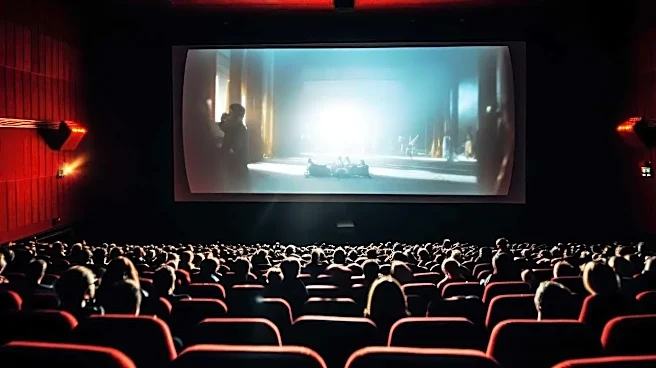
It’s not your imagination: movies feel longer than ever. With prestigious directors being given more creative freedom and studios looking to create unmissable 'event' films to compete with streaming, runtimes have crept up. Gone are the days of the reliable
90-minute comedy or the two-hour thriller. Now, blockbusters regularly push the two-and-a-half or even three-hour mark. This shift presents a biological challenge that even the most dedicated film buff can't ignore. In decades past, longer films often came with a built-in intermission, a civilized pause for a stretch and a restroom visit. Today's multiplexes, however, are a non-stop experience, leaving audiences to fend for themselves.
It’s Not Magic, It’s a Strategy
Frequent moviegoers know that the key to surviving a cinematic marathon isn't an iron will or forgoing drinks; it's a well-executed plan. The so-called "Popcorn Timing Trick" isn't a single, mystical secret but a strategic approach that combines concession-stand logic with a little bit of nerve. The core idea is to create your own intermission during a predictable lull. Rather than sprinting out at a random moment, you treat a trip to the lobby as a calculated part of the experience. This turns a moment of panicked desperation into a controlled, strategic break, which psychologically feels much less disruptive to your movie enjoyment.
Executing the Popcorn Timing Trick
Here’s how it works in practice. First, don't buy the giant popcorn and soda combo right at the start. Instead, get a medium or even a small. The goal here isn't just about limiting your liquid intake—though that's a wise first step. The real play is to give yourself a reason to leave the theater. About 60 to 75 minutes into the film, during a moment that feels like a transition—a montage, a long travel sequence, or after a major set piece has concluded—you make your move. You're not just 'running to the bathroom'; you're 'going for a refill.' This subtle reframing makes the exit feel planned. Head to the lobby, use the facilities first, and then get that popcorn or soda refill you were planning on. You get your break, and you return with fresh snacks for the film's second half, missing only a few minutes of non-essential plot.
Digital Assistants for Your Bladder
For those who prefer a more data-driven approach, technology offers a powerful ally. The most well-known tool is the RunPee app. For years, its creators have been identifying the best moments in major new releases to make a dash for the restroom. The app provides a cue for when to leave and a synopsis of the 3-to-4-minute scene you'll miss, ensuring you don't miss a critical plot twist or character introduction. When a designated "Peetime" is approaching, the app can send a discreet vibration to your phone, so you don't have to disturb others. The app even tells you if there's anything extra after the credits, saving you from waiting through ten minutes of names for no reason.