




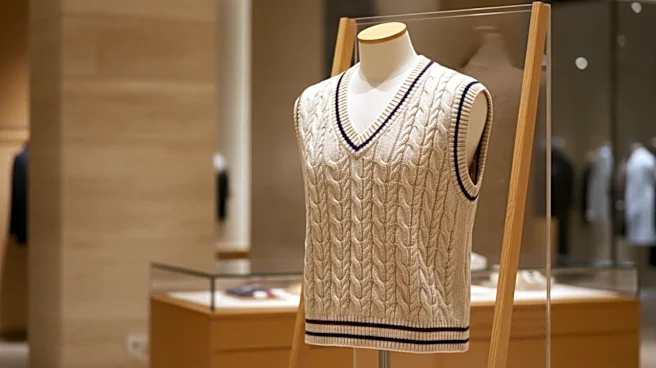


The Streetwear Staple with a Past
In the world of contemporary fashion, Off-White, the label founded by the late Virgil Abloh, holds a unique space. Known for its deconstructed aesthetic, quotation marks, and a fusion of streetwear with high luxury, its pieces are instantly recognizable.
Wide-leg trousers from the brand feel distinctly modern, part of a broader trend away from skinny jeans and toward more relaxed, flowing silhouettes. Yet, Abloh was a master of reference, skillfully weaving threads of art, architecture, and cultural history into his collections. The silhouette of a crisp, white, wide-leg trouser isn't just a recent invention; it’s a direct descendant of a bygone era of sports elegance, long before today's high-tech performance fabrics existed.
Wimbledon in the 1930s: A Tale of Two Styles
Picture the All England Club in the 1930s. The notoriously strict all-white dress code was firmly in place, a tradition started in the 1880s to mask unseemly perspiration. For men, the standard uniform was still quite formal, consisting of long flannel trousers and long-sleeved, button-up shirts. It was an era of transition. While some players still sported the more restrictive attire of the 1920s, a revolution in comfort was quietly underway. The heavy, layered looks were beginning to give way to more functional clothing. This decade saw British player Henry “Bunny” Austin become the first man to wear shorts at the tournament in 1932, a move that was simultaneously shocking and forward-thinking. Still, the classic image of the era remains the elegant sportsman in his crisp, pleated, wide-leg flannel trousers—a look that prioritized decorum over pure athletic performance.
Enter the Crocodile: Lacoste's Revolution
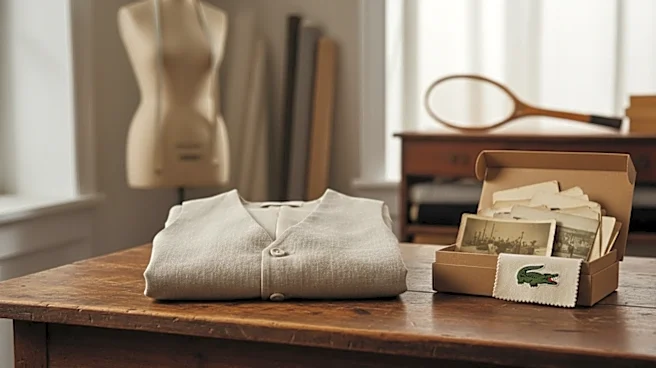
While some players were experimenting with shorts, another was tackling the problem from the waist up. French tennis star René Lacoste, nicknamed “the Crocodile” for his tenacity, found the traditional long-sleeved shirts cumbersome and hot. Taking matters into his own hands, he designed a short-sleeved shirt made from a breathable piqué cotton. He first wore his creation on court in the late 1920s, and by 1933, he had co-founded his own company to mass-produce it. This wasn't just a new shirt; it was a paradigm shift. The Lacoste polo was the first time a brand logo—the now-iconic crocodile—appeared on the outside of a garment. It was a radical move that prioritized player comfort and laid the foundation for modern sportswear, where function and branding go hand-in-hand. Lacoste’s innovation signaled the beginning of the end for the formal, stiff tennis uniform.
From Center Court to Cultural Icon
Lacoste's polo shirt, born from a practical need on the tennis court, quickly transcended the sport. It became a symbol of a certain kind of casual, European elegance. This pivot from pure function to a fashion statement is a recurring theme in style history. The very aesthetic that René Lacoste rebelled against—the formal white trousers and button-down shirt—itself became a classic reference point. While the polo offered a modern, comfortable alternative, the wide-leg trouser remained a powerful symbol of old-school sporting grace. Over the decades, designers have repeatedly looked back to the early days of sport for inspiration, drawn to the clean lines and inherent elegance of that pre-synthetic era.
The Off-White Connection: A Dialogue with History
This brings us back to Off-White. Virgil Abloh's work was a constant dialogue between different worlds—street culture and the archives of luxury, the present and the past. When Off-White presents a pair of wide-leg trousers, it’s not simply reproducing a vintage item. It's recontextualizing it. The silhouette intentionally calls back to the pre-performance wear era of the 1930s, invoking the elegance of early Wimbledon. However, it's filtered through a modern lens with signature Off-White details, fabrics, and a relaxed, contemporary fit. It’s a nod to the style that existed before the Lacoste revolution in comfort took full hold. In this way, the trousers and the polo shirt tell two sides of the same story: the birth of modern sportswear and the enduring romance of what came before it. The Off-White piece becomes a piece of wearable history, referencing a time when elegance was paramount, viewed through the legacy of a brand like Lacoste that dared to change the rules.